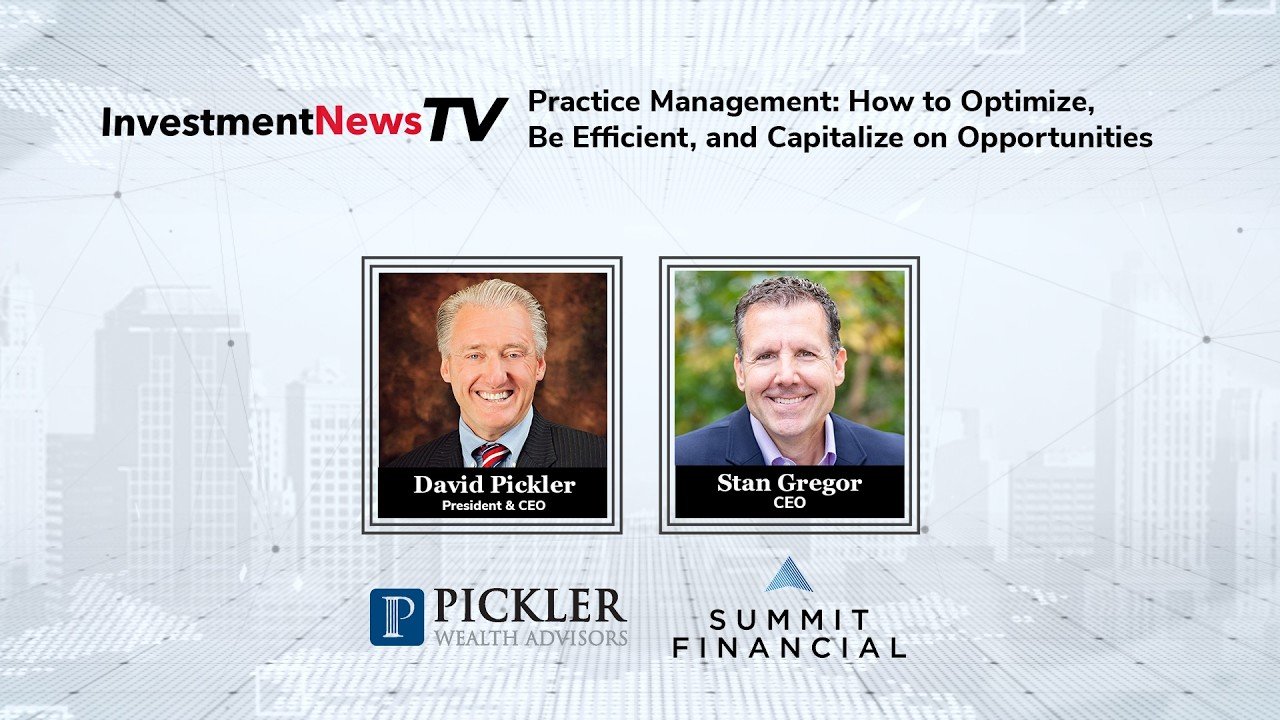
In a recent interview with InvestmentNews, David Pickler, CEO of Pickler Wealth Advisors, and Stan Gregor, CEO of Summit Financial, outlined how advisors can build more agile and efficient practices amid rapid changes in the wealth management industry. The discussion centered on leveraging artificial intelligence, automation, deeper financial planning, and stronger multigenerational relationships to unlock growth and enhance client value.
Embracing AI and Automation
Pickler emphasized that AI and automation are no longer optional but essential for advisors seeking to optimize their workflows. By automating routine tasks such as data entry, rebalancing, and compliance checks, firms can free up significant time for personalized client interactions. He noted that early adopters of AI tools have reported efficiency gains of up to 30% in back-office operations, allowing advisors to focus on high-value activities like strategic planning and relationship building.
Dynamic Planning Over Static Assumptions
Gregor argued that traditional financial planning often relies on static assumptions that fail to adapt to changing market conditions or client life events. He advocated for dynamic planning frameworks that continuously update based on real-time data and shifting goals. This approach, he said, helps advisors provide more relevant advice and strengthens client trust. For a deeper dive into this topic, see The Illusion of Holistic Planning: Why Advisors Need Dynamic Frameworks Over Static Assumptions.
Scalable Systems for Growth
Both leaders stressed the importance of scalable systems that can accommodate growth without sacrificing service quality. Pickler highlighted that his firm has invested heavily in a unified technology platform that integrates client relationship management, portfolio management, and financial planning tools. This integration reduces manual errors and ensures consistency across client interactions. Gregor added that scalable systems are particularly critical for firms eyeing expansion, as they allow for seamless onboarding of new clients and advisors.
Multigenerational Relationships
Building multigenerational relationships was another key theme. Pickler noted that the Great Wealth Transfer is accelerating, with an estimated $84 trillion expected to pass from older to younger generations over the next two decades. Advisors who fail to engage younger heirs risk losing assets to competitors. He recommended that firms develop tailored services for different age cohorts, including digital-first communication for millennials and Gen Z. Recent industry moves, such as Mariner and Mission Wealth acquiring $1.2 billion in combined assets, underscore the trend toward targeting specific demographics.
Capitalizing on Opportunities
Gregor pointed out that the current market environment, marked by volatility and rising interest rates, presents opportunities for advisors to demonstrate value. He cited data showing that clients who receive proactive communication during turbulent markets are 50% more likely to retain their advisor. By using AI to monitor client portfolios and trigger personalized outreach, firms can strengthen relationships and differentiate themselves. For more on this, see Market Turmoil Tests Advisors: Client Trust Built on Communication, Not Portfolio Returns.
Practical Steps for Advisors
Pickler and Gregor offered several actionable steps for advisors looking to optimize their practices. First, conduct a technology audit to identify redundancies and gaps. Second, invest in training to ensure staff can fully utilize new tools. Third, develop a clear succession plan that addresses both leadership transition and client continuity. Finally, regularly solicit client feedback to refine service offerings. As the wealth management landscape evolves, those who embrace innovation and efficiency will be best positioned to thrive.