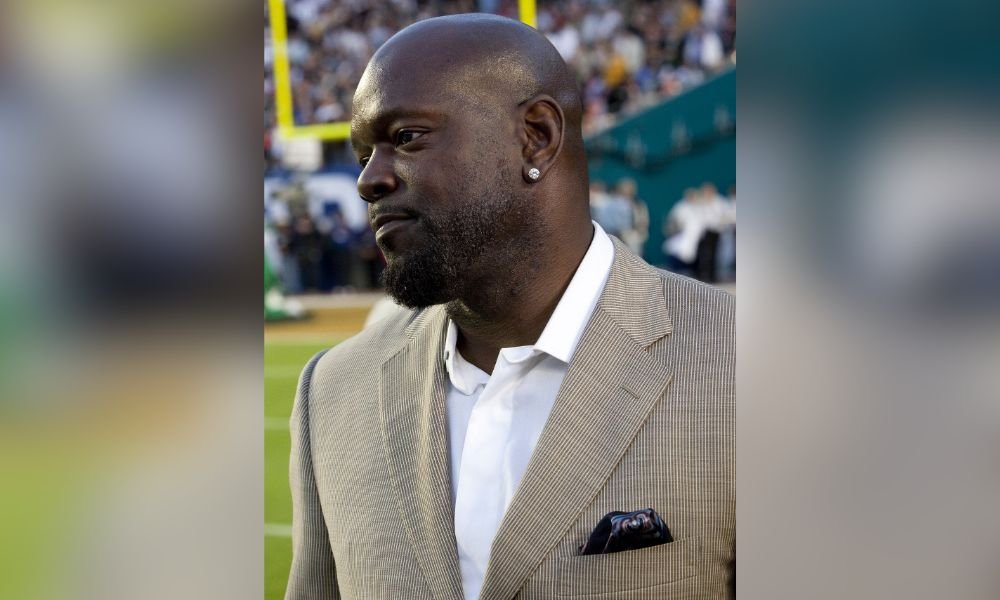
A Delaware lawsuit filed Monday accuses former Dallas Cowboys running back Emmitt Smith and his commercial real estate firm of defrauding a Native American investment entity out of $2.5 million in a solar project deal. The complaint, filed in Delaware's Chancery Court, alleges that Smith, his business partner David Mosley, and their company 4 13 Solutions Inc. induced Kituwah LLC to fund a Texas solar initiative dubbed Project Exodus, according to a report in the New York Times.
Kituwah, the tribally owned investment and economic development arm of the Eastern Band of Cherokee Indians, says it has not recovered any of the loan principal. The lawsuit claims the funds were diverted to other business interests rather than the solar project. Specifically, the complaint alleges that Smith and Mosley used the money to repay Darrel Wilson and his company, Wilson Holdings of North America, with whom they had partnered on other ventures.
The investor group characterizes the arrangement as resembling a Ponzi scheme, asserting that the funds were secretly earmarked to improperly compensate Wilson Holdings for prior unsuccessful loans and investments made with 4 13 Solutions. The lawsuit contends that the payment to Wilson Holdings was compensation for earlier failed ventures, not for any legitimate Project Exodus expense.
According to the complaint, in early 2023 Smith and Mosley assured Kituwah that the investment would be repaid within months once the project gained traction. However, the loan remained unpaid past the February 1, 2024 deadline, and the promised progress on the solar project never materialized. The company allegedly ignored multiple notices of default and simply disregarded Kituwah's repayment demands.
Smith, the NFL's all-time leading rusher and a three-time Super Bowl champion, has not publicly commented on the lawsuit. 4 13 Solutions could not be reached for comment, according to the Times report. The case adds to a growing list of legal disputes involving celebrity-backed investment vehicles and tribal investment funds, which often rely on contractual assurances and due diligence.
For financial advisors, the case underscores the importance of scrutinizing the use of investor funds, especially when projects are delayed or funds are redirected. The allegations of a Ponzi-like structure echo patterns seen in other fraud cases, such as the recent Missouri Ponzi scheme that targeted 24 investors, and the SEC's allegations against a diamond sales firm. These cases highlight the need for robust verification of fund usage and project milestones.
The lawsuit seeks the return of the $2.5 million loan with appropriate interest, as well as other damages. The outcome could have implications for how tribal investment arms and other institutional investors structure deals with celebrity-backed firms, potentially leading to stricter oversight and reporting requirements.
As the case progresses, advisors may want to monitor developments, as they could influence how similar investment vehicles are marketed and managed. The allegations also serve as a reminder that even high-profile endorsements do not guarantee financial integrity, and that independent verification of fund flows is essential.



