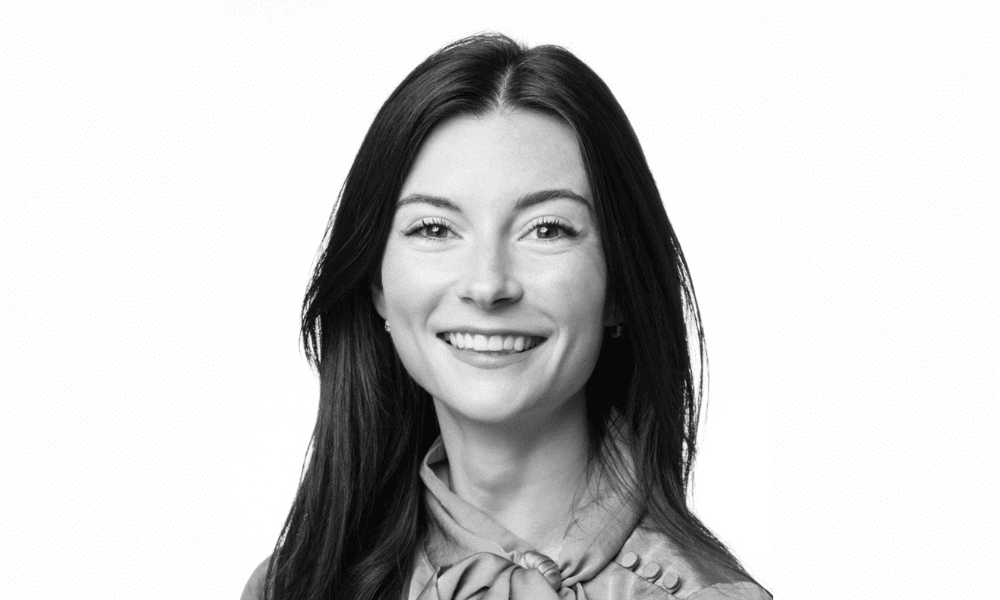
Families that spend years perfecting trusts and tax strategies but neglect preparing heirs for wealth are setting themselves up for failure, warns Mallory Findley, head of family dynamics and financial education at Rockefeller Capital Management in New York. With an estimated $124 trillion expected to transfer to heirs and philanthropy over the next 25 years, according to Cerulli Associates, the stakes are higher than ever.
Findley argues that the industry often prioritizes tangible, measurable aspects of wealth transfer—trust documents, tax returns, estate plans, and investment performance—while overlooking the intangible family dynamics that can derail even the most sophisticated plans. "Families are more likely to focus on the legal and financial aspects because they are more tangible," she said. "Family dynamics involve nuanced relationships, communication, and expectations, and are often emotionally charged."
The consequences of avoidance are predictable: wealth tends to amplify existing communication patterns and tensions. The longer a family delays addressing these dynamics, the more difficult the process becomes, even when all legal documents are in order. Findley recommends starting conversations about wealth with children around purpose, values, and preparation, rather than dollar amounts. She suggests developing a family mission statement to articulate shared values and aspirations across generations.
This approach is gaining traction. Research from InvestmentNews found that roughly two-thirds of advisors now include children or parents in wealth transfer discussions—a shift from the one-sided planning conversations that were once the norm. Findley distinguishes between financial literacy and broader heir preparation, which includes self-awareness, communication skills, emotional intelligence, resilience, and collaboration with family and advisors.
Her process involves helping heirs understand their own strengths and motivations, then those of other family members. Governance structures, such as family constitutions and councils, are designed not to eliminate differences but to create frameworks for working through them productively. "Many conflicts arise when family members misinterpret one another's intentions," she said. "By helping them understand each other's personalities and communication styles, we reduce unnecessary friction."
Findley emphasizes that advisors must understand not only the family's balance sheet but also the people behind it. Those who take time to understand family dynamics are better positioned to anticipate challenges and facilitate difficult conversations. Those who don't risk losing relationships when a transfer occurs—research from Cerulli shows that more than 70% of heirs change advisors after inheriting.
The single biggest mistake, Findley says, is waiting too long to prepare younger generations. "Families devote years to preparing their assets and not enough time to preparing the next generation," she said. Trust structures work best when paired with tools that communicate the grantor's intent, such as statements of wishes or letters of intent, which give trustees context for decisions while staying aligned with the original vision.
"Wealth transfer is not simply about passing down assets," Findley concluded. "It's about passing down purpose, relationships, and the capacity to steward both." Advisors who embrace this broader role may find themselves better equipped to serve multigenerational families, as highlighted by recent moves like Rockefeller's expansion in Naples and Cerity Partners' recent acquisitions. The trend toward wealth taxes in battleground states also underscores the need for proactive planning.