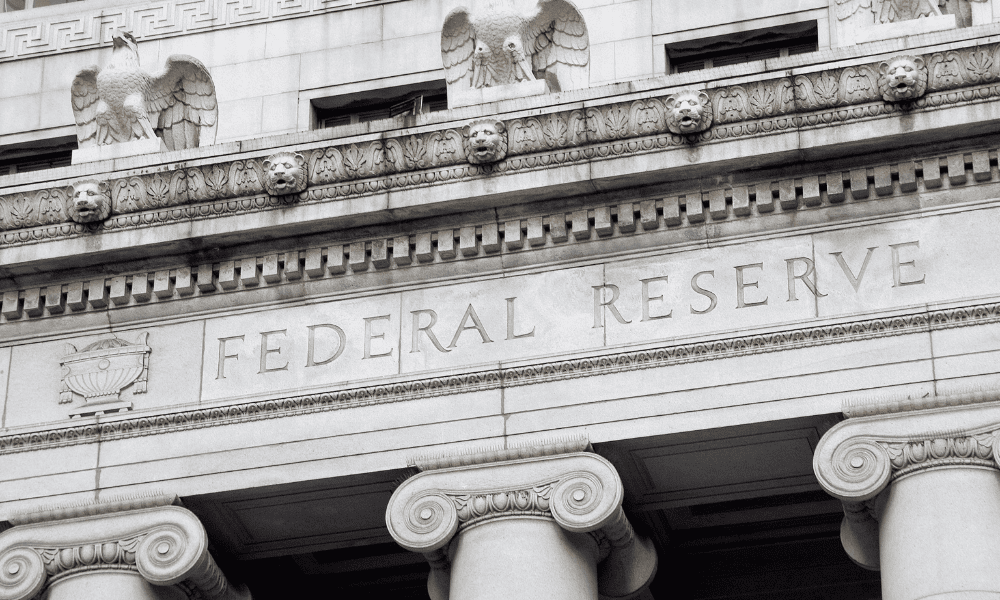
The Federal Reserve's October policy meeting was nearly a turning point, according to minutes released Wednesday. The Federal Open Market Committee (FOMC) voted to hold the federal funds rate steady, but the record shows that the decision was far from unanimous in spirit. Several participants indicated that the choice to maintain the current target range was a "close call," and a few explicitly favored a 25-basis-point increase.
The minutes reveal a committee wrestling with persistently high inflation. Some participants argued that the current policy stance was not restrictive enough to bring price pressures under control. They warned that delaying action could allow inflation to become entrenched, potentially forcing a more disruptive tightening later. These concerns were balanced against market expectations that had already priced in future hikes, which some saw as reducing the risk of holding rates unchanged.
The debate comes after a period of mixed economic signals. In September, the Fed raised rates for the first time since July 2023, in a unanimous 12-0 vote, defying months of public pressure from President Donald Trump for a cut. The October meeting, however, saw a split, with a minority pushing for immediate action.
Recent inflation data has only intensified the discussion. The October Consumer Price Index (CPI) came in hotter than expected, and the Producer Price Index (PPI) for October, released last Friday, was described as "uncomfortably high." These readings have shifted market expectations, with the CME FedWatch tool now placing a 91.7% probability on a December hike to a range of 4% to 4.25%, up from 89.7% after the PPI release. The odds of a larger move to 4.25% to 4.5% stand at 8.3%, down from 10.3%.
Jeffrey Roach, chief economist at LPL Financial, said the internal conflict was unsurprising. "Several members argued for further tightening," he said. Roach noted that the upcoming inflation data will be critical. LPL expects November and December CPI readings to improve materially, which could lead the FOMC to stick with 25-basis-point increments rather than more aggressive 50-basis-point moves.
The minutes also highlighted the delicate balance the Fed faces. While some participants saw market-implied expectations as aligned with their own views, others worried about the risk of moving too slowly. The phrase "close call" in the official record underscores the narrow margin by which the Fed avoided a hike in October.
For financial advisors, the implications are significant. The possibility of a December hike, now seen as highly likely, could affect bond yields, equity valuations, and client portfolios. Advisors may need to prepare clients for a potential shift in monetary policy, especially if inflation remains sticky.
The Fed's next meeting is scheduled for December 9-10, and the decision will hinge on the upcoming CPI and PPI reports. As Roach noted, the data will be the deciding factor. If inflation shows signs of cooling, the Fed may hold again; if not, a hike seems probable.
In the broader context, the Fed's actions are being watched closely by markets and policymakers alike. The October minutes provide a rare glimpse into the internal deliberations, revealing a central bank that is far from complacent about inflation. The coming weeks will be crucial in determining the path of interest rates into 2026.



