Affluent families are not as prepared for wealth transfer as their paperwork suggests, according to new research from Fidelity Investments. The 2026 Transition Ready Family study, conducted through the Fidelity Center for Family Engagement, found that only 37% of older adults with significant assets report high peace of mind about their overall planning, even among those who have completed key estate, retirement, and healthcare documents.
The study, which surveyed 654 married or partnered U.S. adults aged 55 or older with a total net worth of at least $500,000 and at least one adult child, was conducted between November 2025 and January 2026 by Publicis Sapient. It underscores that wealth alone does not confer readiness. More than four in 10 respondents with over $5 million in net worth reported only moderate or low peace of mind, and wealthier households were no more likely to feel confident than less affluent peers.
Even among those who had finalized their planning documents, more than half lacked peace of mind. The study found that 51% of people who completed plans but did not communicate them to family still reported insufficient confidence. By contrast, those who shared completed estate plans with their adult children were more than three times as likely to report high confidence in their planning.
The findings highlight a significant opportunity for advisors, as the industry increasingly moves beyond portfolio management to address estate planning and family dynamics. As preparing heirs for wealth becomes a central practice-management concern, the ability to facilitate family conversations is emerging as a key differentiator.
Communication gaps put transfers at risk
The research reveals persistent gaps between what families have planned and what they have shared. Only 21% of parents said they had communicated a completed estate plan to their children. Just 18% had shared their retirement plans, and 13% their healthcare plans. About one-third of parents said they had never had an open dialogue with their adult children on any planning topic. The top barrier cited was the belief that the matter had already been discussed and required no further conversation. For those who had never had any planning dialogue at all, the most common obstacle was simply not knowing how to start.
These patterns have direct implications for asset retention. Research from Cerulli Associates has consistently shown that wealth often leaves the firm when it transfers to the next generation. Advisors who can navigate succession readiness and engage families in open dialogue are better positioned to retain assets across generations.
What transition readiness looks like
The Fidelity study introduces the concept of "transition readiness," a measure combining financial preparation, family conversations, and shared understanding of future roles. Families with high transition readiness were four times more likely to have high peace of mind than those with lower readiness, and five times more likely to have high confidence specifically in their estate and end-of-life planning. Notably, the highest net worth households were no more likely to score highly on transition readiness than those with more modest assets, reinforcing that dollars alone do not confer preparedness.
While 66% of parents said their adult children would play a significant role in executing their plans, nearly one-third of those parents had never spoken with their children about what that role would involve. Parents who had discussed future roles were more likely to have completed and communicated their plans, and to have had open dialogues across all three planning areas. Interestingly, a major health event did not change these patterns. Despite identifying a health incident as the top reason they would become more transparent with adult children, parents who had experienced such an event were no more likely to have open dialogues or share planning details than those who had not.
The advisor's role in starting the conversation
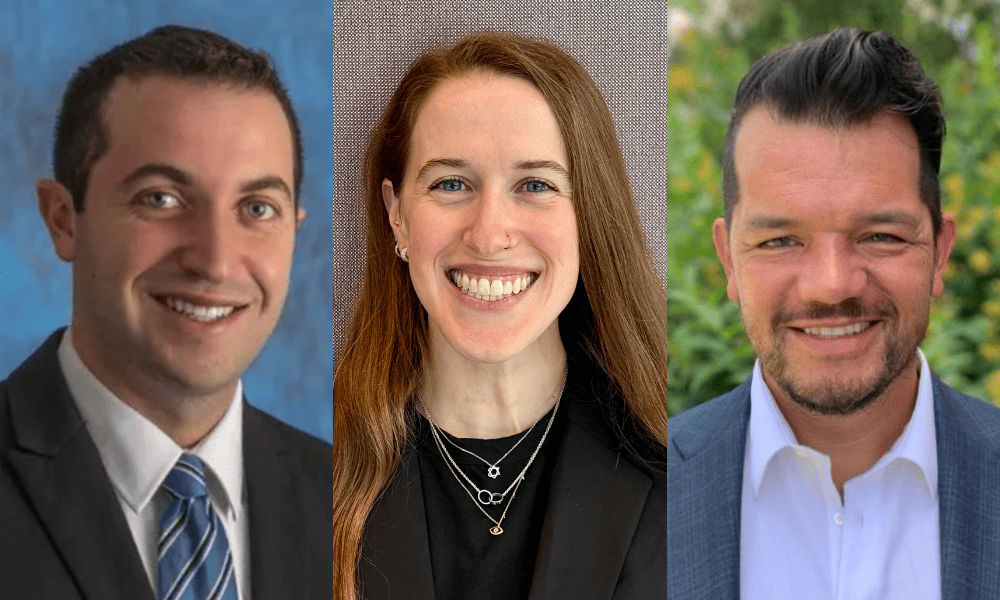
The research points to an opening for advisors willing to move beyond investment management into the harder, more personal conversations that families routinely avoid. As Timothy Habbershon, managing director and founder of the Fidelity Center for Family Engagement, put it: "Families today are navigating increasingly complex financial and life decisions." Helping clients move from having a plan to ensuring their families can carry it out represents a meaningful expansion of advisor value. Amanda Lott, head of Financial Planning and Advice Products at Fidelity Investments, added: "For many families, preparedness isn't just about having a plan in place. It's about ensuring loved ones understand that plan and are ready to carry it forward when needed."