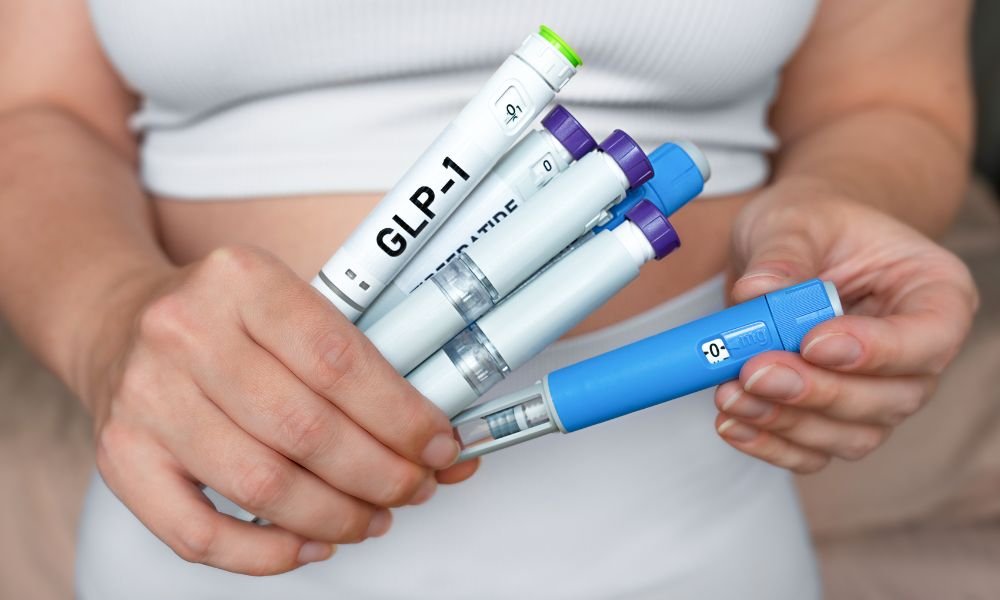
A new survey from the Nationwide Retirement Institute, released Oct. 7, 2026, reveals a growing financial strain among Americans taking GLP-1 medications. More than half of current users say they worry about choosing between the drug and a secure retirement, and a significant share has already made sacrifices.
The Harris Poll conducted the online survey for Nationwide between July 20 and Aug. 4, 2026, polling 1,933 U.S. adults, including 509 current and 364 former GLP-1 users. Among current users, 51% fear the tradeoff between staying on the medication and saving enough for retirement. More strikingly, 54% say they have already changed their financial behavior to afford the prescriptions. Seventeen percent have taken on debt, 14% have withdrawn money from savings, investments, or retirement accounts, and 14% have reduced their retirement contributions.
For those without full insurance coverage, the out-of-pocket cost averages $203 per month. That recurring expense can quickly erode a household budget, especially for retirees on fixed incomes. Kristi Martin Rodriguez, leader of the Nationwide Retirement Institute, noted that while medical innovation is extending lives, it also extends the period that retirement savings must last. She emphasized that health spending competing with retirement saving needs to be part of financial planning conversations.
Optimism creates a planning gap
The survey also found that GLP-1 users are generally optimistic about their long-term health, with 88% saying the drugs make them feel more positive about their future well-being. Sixty-four percent say they may retire later because they feel healthier. However, this optimism appears to reduce the urgency to save. Fifty-nine percent say the expected health benefits make them less inclined to increase retirement savings, and 57% are less worried about needing additional health or long-term care insurance.
Yet the same respondents recognize the potential downside. Fifty-six percent say they may need more money for healthcare if they live longer, and 49% say the prospect of a longer life makes them less confident in their retirement plan. Fifty-nine percent worry about affording the medication itself once they stop working.
These concerns compound existing pressures. Fidelity's 25th annual estimate puts lifetime healthcare costs for a 65-year-old retiree at $185,500, a 7.5% increase from the prior year, and that figure excludes long-term care. A client who lives longer on a GLP-1 extends the period those costs must be funded, potentially straining retirement portfolios.
Medicare enrollees face an additional variable. The Centers for Medicare & Medicaid Services launched its GLP-1 Bridge program on July 1, 2026, offering eligible Part D enrollees access to certain weight-loss GLP-1s for a $50 monthly copay with prior authorization. The program is scheduled to end Dec. 31, 2027, leaving the coverage picture uncertain after that date.
Advisors have an opening
The survey points to a service gap that advisors can close. Fifty-nine percent of current users expect a financial professional to advise them on the financial impact of GLP-1s and other health innovations, yet 47% have never discussed the topic with one. This disconnect is particularly concerning given that clients who are quietly drawing down retirement accounts to stay on the medication are often the least likely to raise the issue themselves.
Nationwide is promoting its Health Care Cost Assessment tool, which uses health risk analysis and actuarial cost data to project medical and long-term care expenses, as a way for advisors to start these conversations. The firm suggests that advisors proactively address the health-wealth connection, especially as retirement planning shifts toward spending strategies.
The findings also align with broader concerns about longevity and financial preparedness. As longer retirements may turn wealth transfer into a mirage, advisors should consider how GLP-1s affect clients' time horizons. Additionally, with the 2027 Social Security COLA forecast at 3.6%, advisors are reassessing retirement income plans, and GLP-1 costs could be a factor.
Rodriguez stressed that the link between health and wealth has never been more apparent than with the rise of GLP-1 medications. For advisors, the survey underscores the need to integrate health-related expenses into retirement planning discussions, ensuring clients don't have to choose between their health and their financial security.