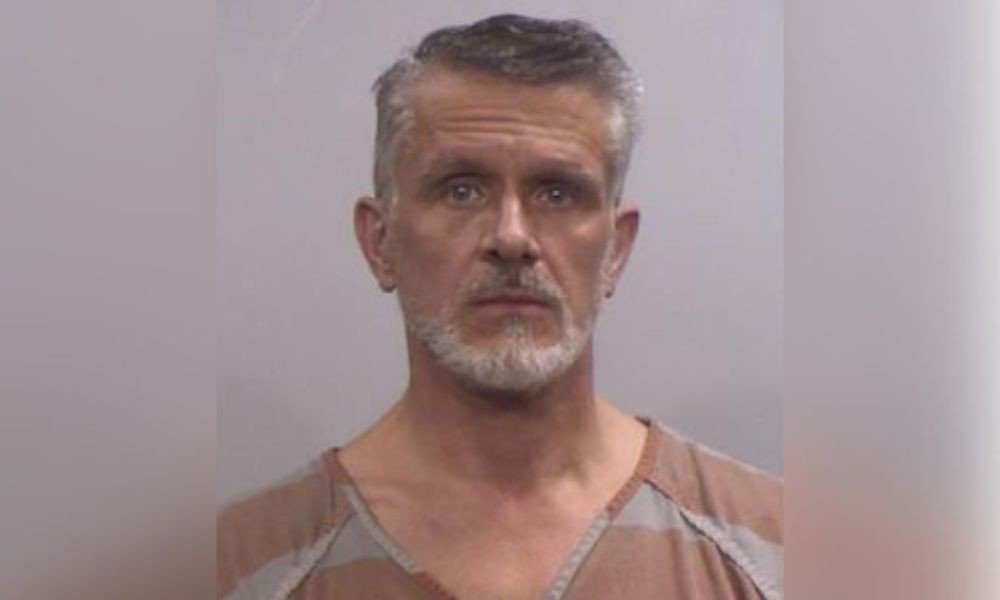
A federal jury in Manhattan on Thursday convicted Bradley Heppner, the former chairman of both GWG Holdings and Beneficient, on all four counts brought by prosecutors in a securities fraud case that resulted in more than $1 billion in losses for retail investors. The verdict followed a three-week trial.
Heppner, 60, was found guilty of securities fraud, wire fraud, conspiracy to commit securities fraud and wire fraud, and making false statements to auditors. He faces a maximum sentence of 20 years in prison on each of the first three counts and up to five years on the conspiracy charge. Sentencing is scheduled for October.
The charges stem from a scheme in which Heppner funneled more than $150 million from GWG Holdings to a shell company called Highland, which he controlled at Beneficient, according to a federal indictment unsealed last October. Prosecutors alleged that Heppner used the funds for personal expenses, including $59 million in renovations on his 22,000-square-foot Tudor-style mansion in an affluent Dallas neighborhood. The eight-bedroom, 12-bathroom property was a focal point of trial testimony.
From 2018 to 2022, while the mansion work was underway, Heppner's total compensation from Beneficient was approximately $2.7 million, according to court testimony. U.S. Attorney Jay Clayton stated, “Heppner used shell companies to hide his scheme. When his house of cards began to collapse, he did not come clean. Instead, he doubled down by falsifying emails and backdating documents to lie to the auditors, directors, and the SEC.”
GWG Holdings collapsed into bankruptcy in 2022, leaving thousands of individual investors who had purchased more than $1 billion of GWG L bonds—backed by life settlements—with worthless securities. The bonds were illiquid and never traded on any exchange. Approximately 40 broker-dealers and their financial advisors had sold nearly $1.6 billion of these bonds before the bankruptcy.
Beneficient, a financial services firm that aimed to buy illiquid alternative investments such as private equity limited partnerships and resell them for profit, became intertwined with GWG after GWG purchased a stake in Beneficient in 2018. Heppner served as chairman of both companies starting in 2019. In a statement Monday, Beneficient said Heppner acted solely on behalf of his family office through a shell company, and the firm is evaluating additional claims against him and related entities.
The case highlights ongoing risks in the alternative investment space, where complex structures can obscure conflicts of interest. For advisors, the verdict serves as a reminder of the due diligence required when recommending illiquid products. Similar scrutiny has emerged in other high-profile cases, such as the criminal trial of Citron Research founder Andrew Left over an alleged $16 million short-selling scheme.
Regulatory oversight of alternative investments remains a key focus for the SEC and FINRA. In a separate case, a FINRA panel awarded $2.5 million to a former FSC Securities compliance officer in a retaliation case, underscoring the importance of internal compliance functions. Meanwhile, firms like Apollo are exploring a $3 billion BDC sale as defaults rise and AI disrupts software lending, signaling broader market shifts.