Linqto, the bankrupt fintech platform that once lured investors with promises of pre-IPO shares in tech startups, is intensifying its legal battle against Forge Global Holdings and its parent company, Charles Schwab. The San Jose-based firm alleges that Forge reneged on a court-ordered contractual obligation to serve as trustee of the liquidating trust, a move that threatens to further delay recovery for more than 13,000 customers who were harmed in a massive fraud.
In a statement released Monday afternoon, Linqto said it will continue pursuing litigation to recover monetary damages and legal fees tied to Forge's decision. The company is also exploring alternative paths to exit Chapter 11 protection if Forge persists in withholding cooperation. Forge had been designated trustee under Linqto's confirmed reorganization plan, a role that included holding customer assets, managing share transfers, and administering the recovery process. On July 15, just five days before the trust was scheduled to launch, Forge informed Linqto it would not perform those duties, citing demands from Schwab, which acquired Forge earlier this year.
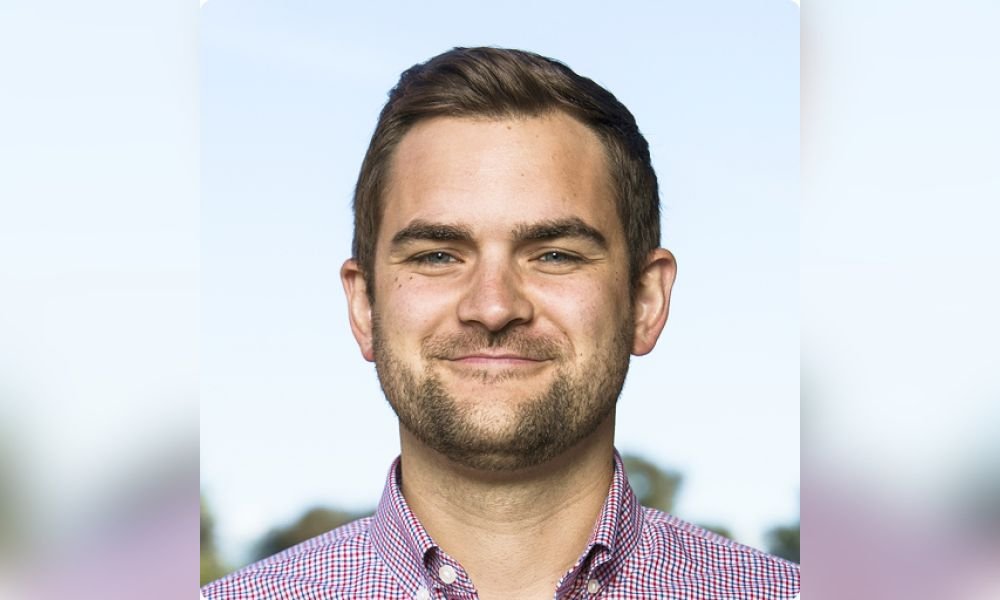
Linqto and its official committee of unsecured creditors filed a complaint in the U.S. Bankruptcy Court for the Southern District of Texas, seeking to compel Forge to honor its commitments, according to Bloomberg Law. In a hearing, the creditors' committee and attorney John Deaton expressed frustration with Forge. Dan Siciliano, Linqto's CEO, said, "It's intolerable and wrong that Linqto is still in bankruptcy because of the unwillingness of Forge and Schwab to fulfill their obligation to serve as trustee of the Liquidating Trust." The two sides told a judge in late July they were working toward a resolution, and a hearing was postponed while negotiations continued, according to Law360.
The underlying case stems from allegations that Linqto's former CEO, William Sarris, misled customers into believing they were purchasing direct equity stakes in sought-after private companies. Two customers sued Sarris in July 2025 in federal court in Manhattan, alleging he exploited investors' fear of missing out on shares in companies like Ripple, as reported by Reuters. Attorney John Deaton said at the time, "People believed they were buying shares of Ripple, shares of SpaceX, but that's not what they were buying." In reality, the equity stakes were held through special purpose vehicles rather than transferred directly to customers, a structure that complicated the bankruptcy recovery.
Linqto filed for Chapter 11 bankruptcy protection in July 2025 after new management uncovered what the company described as historical failures to comply with U.S. securities laws. The bankruptcy estate includes interests in roughly 111 private companies valued at more than $500 million, including stakes in Ripple and SpaceX. A federal bankruptcy court confirmed Linqto's reorganization plan in February 2026, with support from about 95% of voting customers. Under that plan, customers can choose to receive shares in a publicly listed closed-end fund, hold interests in a liquidating trust, or take a combination of both.
Despite the legal wrangling, the value of the underlying customer-linked securities has climbed from $657 million in June 2025 to $1.3 billion in May 2026, according to Linqto. In July, a U.S. Bankruptcy Court approved the sale of roughly $130 million in Ripple common shares to four institutional buyers, led by Galaxy Digital, with proceeds directed to the wind-down trust supporting customer recoveries. However, the dispute with Forge threatens to derail the distribution process, leaving thousands of investors in limbo.
The case has drawn attention from regulators. FINRA enforcement began investigating Linqto Capital, the platform's broker-dealer unit, shortly after the bankruptcy filing. A FINRA filing with the SEC disclosed an ongoing investigation, as well as potential involvement in a broader SEC investigation focused on the company's parent and its affiliated fund, Liquidshares. Linqto said it is fully cooperating with all regulatory inquiries. Scott Silver, managing partner of Silver Law Group, who represents a plaintiff, said, "Linqto convinced Mom and Pop investors they were getting entrance to how the 1% invest in private or alternative investments. In reality, customers were getting pre-IPO stock at unfair valuations."
Sarris resigned as CEO in January 2026 and was formally terminated in March 2026, though he remained on Linqto's board, according to bankruptcy filings. As the legal battle with Forge and Schwab continues, the timeline for customer recoveries remains uncertain. For more on the broader implications for the private-markets space, see Linqto's stalled bankruptcy exit. Meanwhile, Schwab's recent moves in digital assets and SMA rules may signal shifting priorities, as covered in Schwab's crypto futures push and Schwab's SMA exposure caps.