For decades, wealth management firms have treated smaller accounts as a cost problem rather than a growth opportunity. The fixed costs of onboarding, compliance, rebalancing, and tax management did not shrink with account size, making accounts under $100,000 often unprofitable under traditional models. Pave Finance, a fintech firm, is challenging that assumption by deploying automation to reduce operational drag.
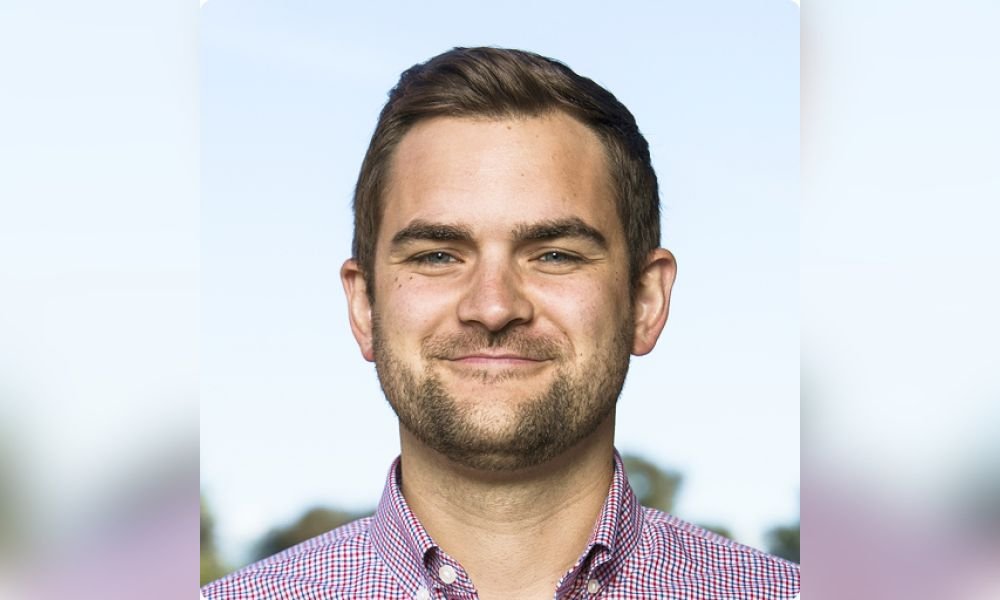
Sarah Calderon, engineering manager at Pave Finance, says the industry's challenge is not demand but delivery. “The cost of serving any client is pretty high, and it doesn’t shrink just because the account is smaller,” she notes. Pave’s approach is to automate procedural tasks—such as portfolio rebalancing and tax-loss harvesting—that follow defined rules, freeing advisors to focus on judgment-based advice.
Research cited by Pave suggests advisors spend nearly 18 hours per week on operational tasks. Automation reduces that burden, allowing firms to scale client rosters without proportional increases in labor. “Once that infrastructure exists, the cost of serving the 10,000th account is basically the same as the first,” Calderon explains.
Pave runs the same optimization engine across all accounts, regardless of size. “Whether someone has $10,000 or $10 million, they’re getting the same system, the same optimizations, the same level of sophistication,” Calderon says. This consistency is key to changing the economics of smaller accounts.
Currently, about 30% of Pave’s accounts are under $50,000, and roughly 42% fall below what most RIAs would consider a minimum for a client relationship. These are not stripped-down services; they receive the same portfolio management as larger accounts. This model aligns with broader industry trends, as highlighted in a recent AssetMark study that found operational discipline, not market gains, drives top advisory firm growth.
Calderon argues that rebalancing and trading should not be competitive differentiators. “That’s infrastructure,” she says. Pave’s role is to serve as the operational backbone, allowing advisors to focus on what technology cannot replace: judgment, strategy, and trust. “The point of the advisor is to talk someone off the ledge during a market crash,” she adds.
The firm’s approach also addresses the growing demand for personalized advice among younger and less wealthy investors. As HSA assets hit $174B and investment accounts nearly double, the need for scalable, sophisticated advice is clear. Pave’s model suggests that automation can bridge the gap between information and personalized guidance without sacrificing quality.
Calderon rejects the notion that smaller accounts require simplified products. “Investors were not asking for a simplified version of advice. They wanted the same sophistication, regardless of how much they had to invest,” she recalls. Pave’s infrastructure makes that possible, turning what was once a burden into a growth channel.