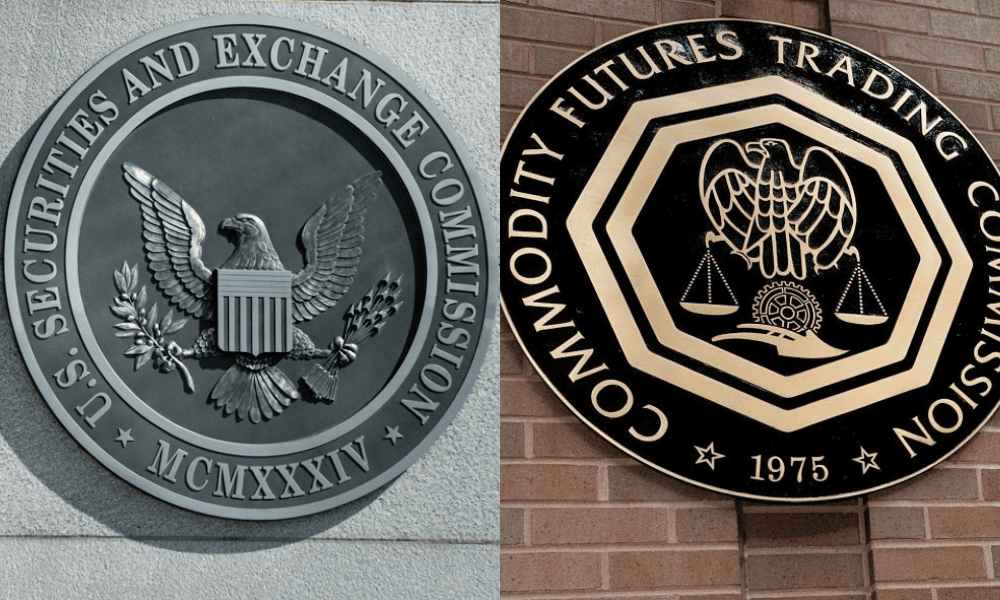
The Securities and Exchange Commission and the Commodity Futures Trading Commission on Monday unveiled a joint proposal to scale back reporting requirements for private fund advisors under Form PF, a move that could reduce operational costs for managers and modestly reshape the alternatives landscape.
The proposed rule would increase the asset thresholds that trigger detailed reporting on exposures, leverage, and counterparty risk. Regulators said the changes are designed to lower compliance burdens while still capturing data on the bulk of the private fund market. Form PF filings are confidential and used primarily for systemic risk monitoring, so the proposal does not directly affect how advisors serve retail clients or construct portfolios.
Still, the timing is notable as private markets continue to penetrate wealth management channels. Advisors are increasingly allocating client assets to alternative strategies, including private credit and real estate. The proposal could encourage more product launches by reducing the administrative overhead for fund managers. For example, recent BlackRock Aladdin and RedBlack upgrades have focused on private credit analytics, reflecting the growing demand for transparency in this space.
SEC Chairman Paul S. Atkins said in a statement: “A key pillar of my agenda is restoring balance to disclosure obligations and reducing the cost of compliance wherever possible. Prior amendments to Form PF have led to overly burdensome disclosure requirements for advisers, distracting them from their core investment functions, often without a commensurate benefit to regulators’ use of the collected data.”
The Managed Funds Association, a trade group representing hedge fund and private credit managers, had been pushing for lighter filing requirements as part of a broader effort to roll back regulations enacted under former SEC Chair Gary Gensler. MFA President and CEO Bryan Corbett welcomed the announcement, saying the proposal “is an important step forward in improving Form PF” and aligns with President Trump’s goal of reducing unnecessary compliance burdens.
The implications for product availability could be significant. By lowering reporting costs, the proposal may encourage fund managers to launch new strategies or expand existing ones, particularly in semi-liquid private market products aimed at high-net-worth and accredited investors. This could be relevant for advisors working with clients who have $5 million or more in investable assets, such as those served by Sowell Management’s Cache River Private Wealth platform.
However, the proposal also raises questions about transparency. While regulators said the revised framework would still capture most systemic risk, fewer reporting requirements could limit the amount of detailed data collected from certain funds. For advisors and firms increasing their use of alternatives, this dynamic may place greater emphasis on internal due diligence and manager selection. The SEC and global regulators have intensified scrutiny of the $2 trillion private credit market, and any reduction in data collection could complicate oversight.
The proposal is subject to a public comment period before any final rule is adopted. For advisors, it is unlikely to require immediate changes, but it reflects a broader regulatory shift that could influence the development and distribution of alternative investments over time. As private markets continue to grow, the balance between compliance costs and systemic risk monitoring will remain a key issue for the industry.