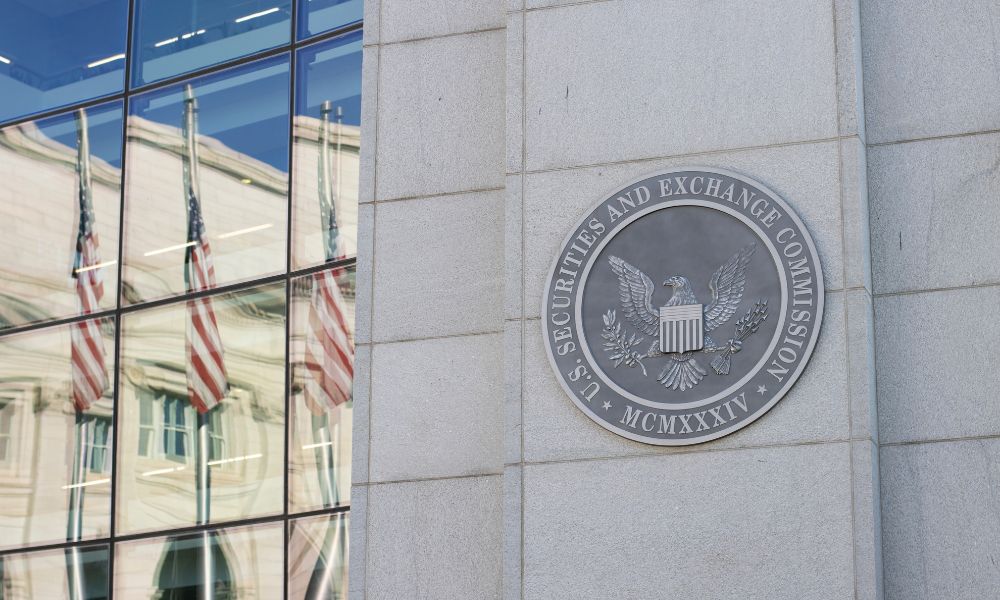
The Securities and Exchange Commission has barred Clarice Crystal Saw, a veteran New York-based advisor, following allegations that she siphoned $2.4 million from an elderly client's brokerage account. The action, finalized in late September, stems from conduct that occurred while Saw was registered with Cetera Investment Services, a broker-dealer within the Cetera Financial network.
According to Saw's BrokerCheck profile, she held registrations at 11 firms between 1996 and 2023. From September 2021 to June 2022, she was affiliated with Cetera Investment Services in Flushing, New York. The SEC's complaint, filed in 2023, alleges that the fraudulent scheme ran from approximately December 2021 through March 2022.
The SEC alleges that Saw obtained a power of attorney from the elderly client through deception, falsified internal records at the broker-dealer, liquidated the client's entire securities portfolio without authorization, and transferred the proceeds to her own personal bank and brokerage accounts. The BrokerCheck profile details that she used part of the stolen funds to cover personal expenses, including roughly $100,000 in car and mortgage payments, and made thousands of dollars in cash withdrawals. Additionally, she reportedly used some of the misappropriated money to purchase securities in her own name.
Saw, 60, a resident of Pleasantville, New York, settled the SEC charges on September 21 without admitting or denying the allegations. She could not be reached for comment. The bar effectively prevents her from associating with any broker-dealer or investment adviser in a supervisory or non-supervisory capacity.
This case underscores the vulnerability of elderly investors to financial exploitation, a problem that remains widespread. A 2023 AARP study estimated that U.S. seniors lose $28.3 billion annually to financial exploitation. The report highlighted that the majority of these losses—$20.8 billion, or 72%—are perpetrated by individuals known to the victims, such as friends, family members, or caregivers. Exploitation by strangers accounted for $8 billion, or 28%.
Financial advisors who prey on elderly clients are a particular concern for regulators. The SEC has made elder financial abuse a priority, and industry self-regulatory organizations have implemented rules requiring firms to place temporary holds on disbursements when suspected exploitation is reported. However, as this case illustrates, such safeguards can be circumvented when an advisor holds a power of attorney and manipulates internal processes.
For advisors and compliance professionals, the case serves as a reminder to scrutinize unusual account activity, especially when a client is elderly and an advisor holds significant control. Firms may consider enhancing oversight of power-of-attorney arrangements and requiring independent verification for large transfers. The FINRA arbitration award against Schwab in a similar elder-fraud case highlights the legal risks firms face when such misconduct goes undetected.
The broader financial industry continues to grapple with the challenge of protecting vulnerable clients. While regulatory actions like this bar are a deterrent, the AARP data suggest that much more work is needed. Advisors and firms should review their own procedures for detecting and preventing exploitation, and consider whether additional training or technology could help identify red flags earlier.