Elon Musk's Oct. 19, 2026, post on X promising one SpaceX share to every American child has given wealthy families a natural conversation starter about investing. But financial advisors say the real test of a child's financial maturity comes later, when the novelty fades and the stock's value moves.
The pledge, if fulfilled, would be substantial. The U.S. Census Bureau counted just over 72 million Americans under 18 as of July 1, 2025. At SpaceX's closing price of $146.03 on Oct. 16, 2026, that translates to roughly $10.5 billion in stock. Musk has not specified how shares would be distributed or who would qualify, and it remains unclear whether the gift would flow through Trump Accounts, the government-backed investment vehicles created under the 2025 tax law that receive a $1,000 federal deposit for children born from 2025 through 2028 and accept after-tax contributions up to $5,000 a year.
For advisors, the pledge arrives amid a reassessment of the Great Wealth Transfer. Earlier coverage noted that estimates of the transfer may be smaller than once projected, but firms still see value in engaging heirs early. A first stock, many say, can be the hook.
Single stock vs. diversified fund
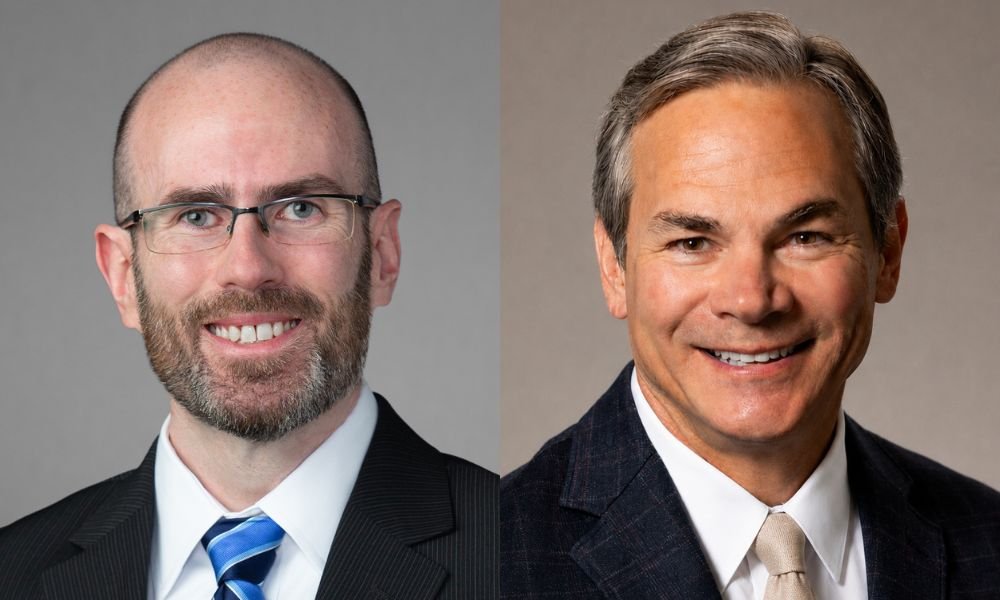
Tim Brown, partner and senior wealth advisor at Mission Wealth, argues that an individual stock is a strong entry point because it can spark curiosity. "Take SpaceX, for example. What child wouldn't be excited about owning a piece of a company that sends rockets into space? Suddenly, investing becomes something interesting and tangible rather than just numbers on a statement," he said. Brown suggests that as gifts accumulate and a child begins saving, parents should introduce diversified funds and explain the risks of concentration. A single stock, he said, is a good starting point but a poor foundation for a whole portfolio.
Michael Pumphrey, wealth advisor at Tanglewood Total Wealth Management, prefers starting with broad, diversified funds. He recalls his own first investment: an individual stock in a well-known company that went bankrupt in the early 2000s. Had that money been in the broad U.S. market, he estimates it would be worth about 30 times the original investment three decades later. Pumphrey doesn't ban speculation outright but suggests capping riskier bets at roughly 10% of a child's portfolio, with the rest in diversified holdings. He also emphasizes walking through the reasoning behind each decision and reviewing outcomes together.
Learning from losses
Both advisors see losses as valuable, especially when the amounts are small. Brown said a decline opens the door to discussing risk, diversification, and long-term investing. He advises parents not to rush in and fix every mistake. "It's much better to learn a valuable investing lesson with a $100 mistake at age 15 than a $100,000 mistake at age 35," he said. How a child responds to a loss, he added, may reveal more about financial maturity than any gain.
Signs of readiness
Performance, the advisors agree, is a weak signal. Brown looks instead at character, habits, and judgment. A child who picks a stock that doubles may simply be lucky, he said, but one who consistently saves, spends thoughtfully, works hard, and makes responsible decisions is demonstrating something more important. He also points to work ethic and genuine interest in charitable giving as positive indicators. Red flags include heavy spending, poor discipline, reluctance to work, and more serious issues like gambling or substance abuse, any of which should prompt parents to slow down. Brown recommends a gradual handoff of financial responsibility rather than a lump-sum transfer.
Pumphrey frames readiness in similar terms. "Investing largely comes down to building good behaviors that allow one to stay the course over the long term," he said. "Just as important is a healthy relationship with money, including spending and saving for the right reasons." Advisors who can help families assess these traits may find themselves better positioned to serve the next generation. As industry efforts to boost youth investing literacy gain momentum, the conversation sparked by Musk's pledge could become a lasting one.