New research from the TIAA Institute underscores the tangible benefits of professional financial guidance in retirement planning, revealing that retirees who work with advisors report significantly fewer regrets. However, the study also highlights a persistent gap: only 24% of American adults currently engage a professional for financial, tax, retirement, or investment planning.
The study, which surveyed a broad age range, found that advised retirees are far less likely to lament key decisions. For instance, just 26% of those with an advisor regret underestimating major life events, compared to 43% of those without professional support. This pattern held across multiple regret categories, with advised retirees consistently reporting about half the regret levels of their unadvised peers.
Retirees are nearly twice as likely as non-retirees to have an advisor, and those with guidance are more inclined to describe retirement planning with words like "secure," "confident," and "excited." Conversely, unadvised individuals are more likely to find the process overwhelming or fear making poor savings and investment decisions.
"The retirees in this study are sending a clear and urgent message to everyone still in the workforce: what happens today will define the retirement you experience tomorrow," said Surya Kolluri, head of the TIAA Institute. "A retirement that meets or exceeds expectations requires planning for all the things you enjoy plus the unexpected."
The research also points to a generational shift in how Americans expect to fund retirement. Current retirees rely most heavily on Social Security, followed by employer pensions. In contrast, those still working anticipate that their largest income source will be money saved in retirement accounts, with Social Security dropping to second place. Confidence in Social Security varies sharply by age: 94% of boomers planning to retire expect to draw on it, versus just 51% of Gen Z.
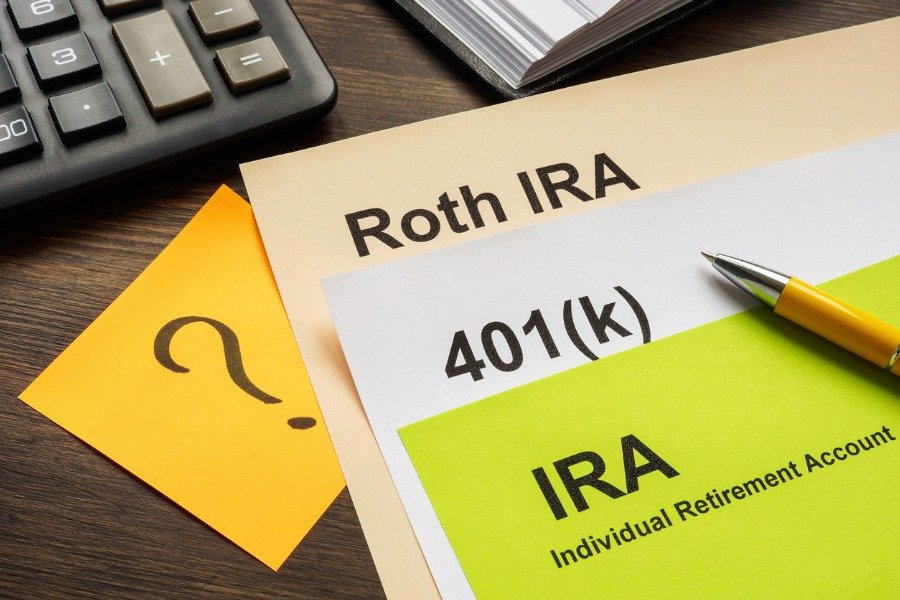
Job mobility is another key factor. Roughly eight in ten adults have changed employers at least once, averaging 4.2 moves. Each transition brings critical decisions: nearly a third have moved from an employer without a retirement plan to one that offers it, but a quarter have left a job before fully vesting, forfeiting employer matches. Additionally, three in ten have rolled a 401(k) into an IRA, while about a quarter have rolled savings into a new employer's plan—moments the report identifies as natural opportunities for professional advice.
Auto-enrollment is gaining traction as a participation driver. Seven in ten working Americans say their employer offers a retirement plan, and 89% of those offered one are enrolled, with six in ten arriving through automatic enrollment. This trend is helping boost participation rates, particularly among younger workers.
The study also reveals a wide gap between actual and expected retirement ages. Current retirees left the workforce at an average age of 57, while non-retirees expect to work until 62, with roughly half anticipating further delays. A quarter of non-retirees don't expect to retire at all. Savings regret is pervasive: 76% of retirees wish they'd started saving earlier, and 71% wish they'd saved more.
Roughly half of U.S. adults have exited the workforce for more than a year at some point, often to care for children or due to career changes, burnout, layoffs, or relocation. The report suggests future retirees need to plan more deliberately for such interruptions. On the lifestyle front, retirees most enjoy spending time with family, while travel is the most anticipated activity among those still working—though it ranks only third in actual enjoyment once retired.