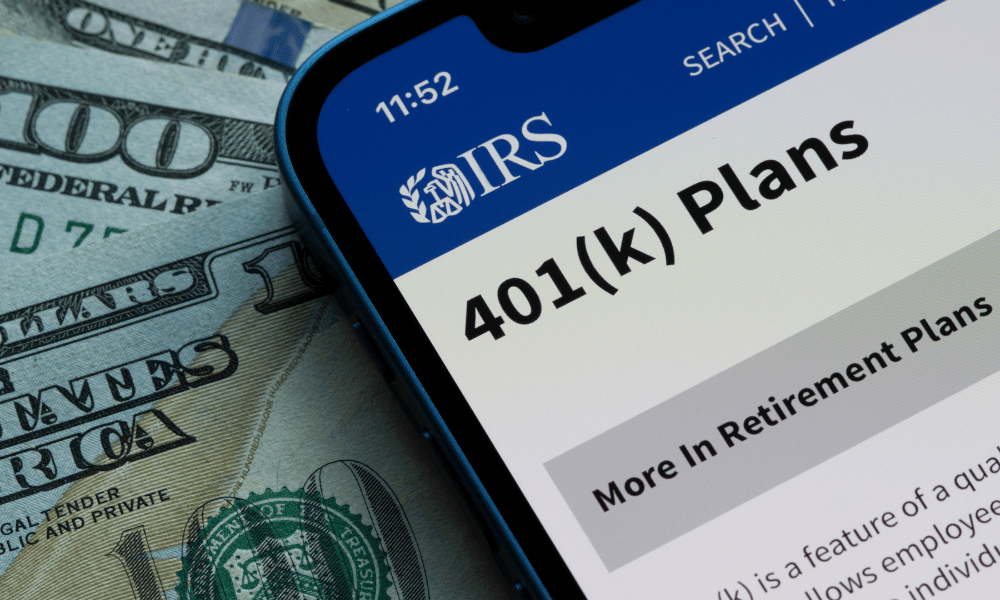
A new survey from Vestwell, based on responses from 1,007 employed U.S. adults collected in June, reveals that 90% of workers consider a 401(k) plan essential or very important when deciding whether to accept a job. However, 61% of respondents described the benefit as an expected baseline rather than a differentiator, and 25% said it matters but is insufficient on its own. The findings suggest that while failing to offer a 401(k) may cost employers candidates, simply providing one will not guarantee loyalty.
The survey, dubbed the 2026 Vestwell Saver Survey, found that 57% of workers called a 401(k) essential, and another 33% called it very important. This sentiment remained consistent across age, income, and employer size. Yet, the data underscores a growing challenge for advisors and plan sponsors: retirement benefits are now table stakes, not a competitive edge.
Day-to-day costs emerged as the most significant barrier to increasing retirement contributions, cited by 63% of respondents. This was followed by credit card or other debt (38%), insufficient emergency savings (32%), student loans (20%), childcare or family costs (17%), and saving for a home (14%). Notably, more than half of those earning between $125,000 and $200,000 still pointed to everyday expenses as an obstacle, indicating that the pressure is not limited to lower-income workers.
Kevin Gaston, head of strategic retirement consulting at Vestwell, noted, “For many workers, retirement readiness is decided before the 401(k) contribution screen. It is decided at the level of rent, groceries, debt, and family obligations.” This observation aligns with the finding that 32% of respondents said a lack of emergency savings limits their retirement contributions, and 37% want their employer to offer an emergency savings account—a demand that peaked at 44% among workers in their 40s.
Financial confidence remains low across income brackets. Among those earning $200,000 or more, 64% described themselves as only somewhat confident in their financial decisions. For workers earning under $75,000, 29% said they were not very confident or did not know where to begin. Confidence was lowest among workers in their 20s (29% low confidence), but 26% of those in their 50s also fell into that category.
Workers are increasingly seeking financial guidance outside the workplace. The survey found that 44% turn to friends or family, 36% use online search or social media, and 31% consult a financial advisor. Only 12% rely on their employer’s benefits or HR platform. The reliance on advisors jumps to 53% among workers in their 60s, while 63% of those in their 20s lean on friends or family. This generational divide highlights an opportunity for advisors to engage younger workers through digital channels.
Access to benefits does not guarantee usage. Among respondents who delayed or ignored an employer financial benefit, 16% did not know it existed, 10% thought they could not afford it, 10% did not understand how it worked, and 6% found it too complicated. Overall, 32% of all respondents cited at least one of these friction points, rising to 54% among those who do not use every available benefit. For advisors, this suggests that education and simplification are critical to improving plan participation.
The survey also revealed strong demand for automated financial tools. Sixty-eight percent of respondents said a tool that automatically routes each paycheck dollar toward the goal with the biggest impact—such as building emergency savings before paying down high-interest debt or maxing out a 401(k) match—would be very or extremely valuable. That figure rose to 94% among workers who said they did not know where to start and 84% among those who described themselves as not very confident.
The gap between worker needs and employer offerings is widest at smaller companies, where financial benefits are less likely to be available, and among workers juggling multiple competing financial demands. For RIAs and broker-dealer advisors, these findings underscore the importance of holistic financial planning that addresses immediate cash-flow challenges alongside long-term retirement goals. As the EBRI-FINRA study found, only 9% of workers use employer financial education, but lower-income participants see gains. Similarly, the Beacon Pointe survey showed that women’s financial confidence triples when they lead decisions, suggesting that targeted education can drive engagement.



