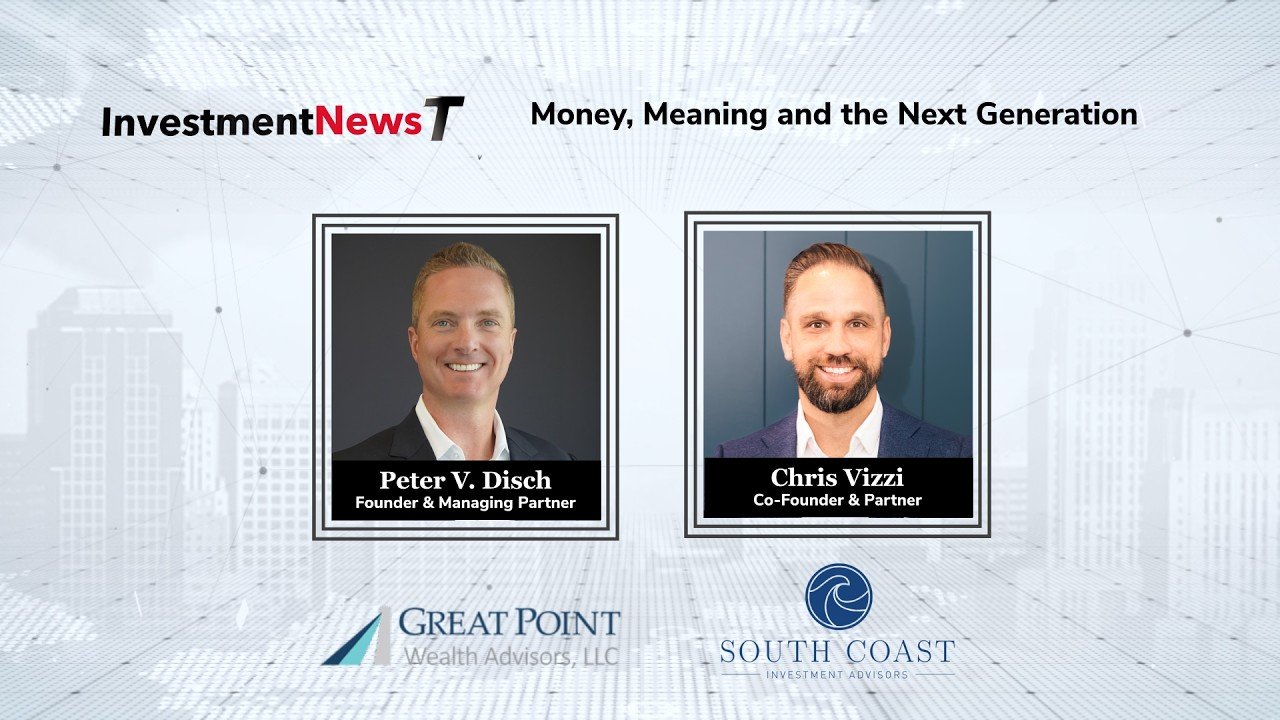
As the $84 trillion intergenerational wealth transfer accelerates, financial advisors are rethinking how they engage with clients' heirs. In a recent discussion, Chris Vizzi of South Coast Investment Advisors and Peter Disch of Great Point Wealth Advisors outlined concrete strategies for bringing younger family members into the planning process long before assets change hands.
Vizzi emphasized the importance of starting conversations early, often during annual family meetings. He recommends inviting adult children to sit in on review sessions, even if they have no immediate role in decision-making. This exposure helps heirs understand the family's financial philosophy and the advisor's role, reducing the likelihood that they will seek new counsel after inheriting wealth. According to industry data, roughly 70% of heirs fire their parents' advisor within two years of receiving assets, a statistic that underscores the need for proactive engagement.
Disch echoed this sentiment, noting that trust is built through transparency and education. He encourages advisors to host separate sessions with heirs to discuss basic investment principles, tax implications, and the family's long-term goals. These meetings can be informal, but they should cover topics such as the purpose of trusts, the impact of capital gains taxes, and the role of philanthropy. By demystifying financial jargon, advisors can position themselves as trusted resources for the next generation.
Tax planning is another critical component. Both advisors stressed the value of integrating charitable giving into wealth transfer strategies. For example, using donor-advised funds or charitable remainder trusts can reduce estate tax burdens while aligning with a family's philanthropic values. Disch noted that proactive tax strategies, such as gifting appreciated securities rather than cash, can minimize capital gains exposure for both the donor and the heir.
Governance structures also play a key role. Vizzi recommends establishing family councils or regular family meetings with a formal agenda. These gatherings provide a forum for discussing investment performance, estate plans, and any changes in family circumstances. He suggests that advisors act as facilitators, ensuring that all voices are heard and that decisions are documented. This approach not only fosters unity but also prepares heirs for the responsibilities they will eventually assume.
The advisors also highlighted the importance of tailoring communication styles to different generations. While older clients may prefer quarterly statements and annual reviews, younger heirs often expect digital dashboards and more frequent updates. Advisors who adapt to these preferences are more likely to retain assets across generations. A recent study found that personalized communication, rather than sheer frequency, is the strongest driver of client satisfaction among millennials and Gen Z.
Finally, both Vizzi and Disch cautioned against focusing solely on asset gathering. Instead, they urged advisors to prioritize listening and understanding the unique values of each family. By aligning financial plans with what matters most to clients and their heirs—whether that's education funding, business succession, or charitable impact—advisors can build lasting relationships that survive the wealth transfer.
For more insights on how advisors are navigating this demographic shift, see UBS Report: $83 Trillion Wealth Transfer Reshapes Heirs' Roles and Advisor Strategies and The $84 Trillion Wealth Transfer: Why Advisors Lose Heirs and How to Keep Them.