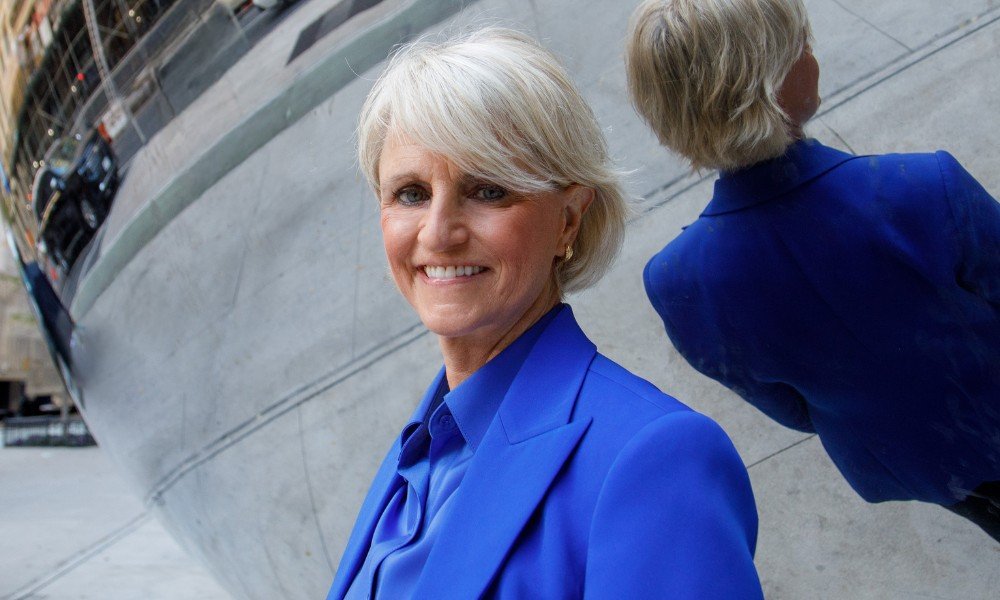
As the U.S. population ages, financial advisors are increasingly confronting issues that go beyond portfolio management. Carolyn McClanahan, founder of Life Planning Partners and a physician-turned-CFP, will address these challenges in a featured conversation at the upcoming Women Advisor Summit on Nov. 5. Her session will focus on how advisors can prepare clients for the financial and emotional complexities of aging, including cognitive decline, healthcare decisions, and family dynamics.
McClanahan's dual background gives her a unique vantage point. After practicing medicine, she transitioned to financial planning, witnessing firsthand how health crises can derail even the most robust financial plans. "You don't have to be a doctor to talk about those health issues that your clients are worried about," she said. Her approach integrates medical realities with financial strategy, a combination that resonates with advisors serving older clients.
Recognizing the Early Signs of Cognitive Decline
One of the key topics McClanahan will cover is identifying cognitive decline in clients. Financial missteps often serve as early warning signs—clients may struggle with complex investments, forget account details, make tax errors, or miss bill payments. While an occasional mistake is normal, McClanahan stresses that a pattern of such behaviors warrants attention. "Learning to recognize when a client's behavior has changed around their finances is super important," she noted.
Advisors can also help clients simplify their financial lives as they age, consolidating accounts and streamlining income streams. However, McClanahan emphasizes that these conversations must begin before a crisis hits. For clients in their 50s and 60s, that means discussing contingency plans for managing finances if they become incapacitated. Establishing a trusted contact—someone the advisor can reach if concerns arise—and ensuring estate documents like a power of attorney are in place are critical steps.
Preparing Before a Crisis
Preparation extends beyond legal documents. At Life Planning Partners, McClanahan's firm conducts what it calls an "aging planning meeting" with clients. These sessions cover where clients wish to live as they age, whether their homes can accommodate mobility issues, who will manage finances, and who will make healthcare decisions. Transportation is also addressed, including what happens if a client can no longer drive.
Family involvement is another pillar of McClanahan's approach. She encourages clients to hold family meetings, and when appropriate, include the advisor so everyone understands the plan before an emergency occurs. Waiting until a crisis—when someone is already ill or cognitively impaired—makes decisions far more difficult. "The biggest mistake families make is nobody wants to talk about it and they wait until problems occur and then it's too late," she said.
Health and Finance: A Growing Focus
These issues have gained prominence in the advisory profession, partly due to increased regulatory attention from the SEC and FINRA on financial exploitation and vulnerable clients. McClanahan serves on the CFP Board's Resource Commission, which is developing a guide for advisors working with clients experiencing cognitive decline. Her Summit session will include an interactive Q&A on the intersection of health and finance.
The broader industry is also recognizing the demographic shift. A recent report highlighted that the aging UHNW population is approaching a historic wealth transfer, with female control of assets expected to double by 2040. Advisors who can navigate these sensitive topics will be better positioned to serve their clients through transitions. McClanahan hopes attendees leave with greater confidence in addressing difficult subjects. "The most important thing I hope they can take away is greater comfort in opening up the conversations with the clients," she said.