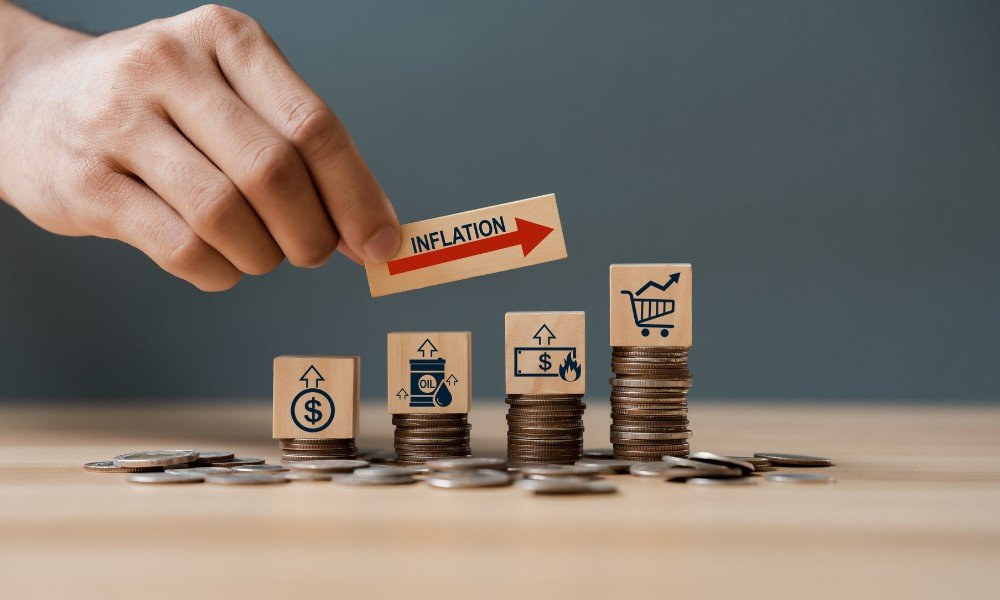
The Bureau of Labor Statistics reported Tuesday that the Consumer Price Index rose 0.6% in April, pushing the annual inflation rate to 3.8%—a tick above the 3.7% consensus forecast. The monthly gain accelerated from March's 0.9% increase, driven largely by higher energy costs linked to geopolitical tensions in the Middle East.
Core CPI, which strips out volatile food and energy components, climbed 0.4% month-over-month, exceeding the 0.3% economists had anticipated. Over the past 12 months, core inflation now stands at 3.6%, according to the data.
Chris Zaccarelli, chief investment officer at Northlight Asset Management, attributed the upside surprise to the conflict in Iran and the partial closure of the Strait of Hormuz, which boosted energy prices. "Given that inflation is heading in the wrong direction and the labor market is holding up, it's very unlikely that the Fed will be able to lower interest rates any time soon," Zaccarelli said. He added that markets may begin pricing in rate hikes for next year.
The April CPI print follows a stronger-than-expected employment report last week, which showed job gains in healthcare, transportation, warehousing, and retail trade. That combination of robust hiring and stubborn inflation has dimmed hopes for near-term monetary easing.
Josh Jamner, senior investment strategy analyst at ClearBridge Investments, described the April headline number as "expectedly hot." He noted that the two-month cumulative inflation rate now stands at 1.5%, the highest since 2022. Fed funds futures markets are currently assigning a better-than-even probability to a rate hike by March 2027, Jamner said. "While rate hikes are possible should inflationary pressures continue to build, the potential for de-escalation of the conflict in the Middle East and muted strength in the labor market should keep the Fed on hold for the time being," he added.
The data arrives as Kevin Warsh, President Donald Trump's nominee for Federal Reserve chair, awaits Senate confirmation. Outgoing Chair Jerome Powell has repeatedly resisted White House pressure to cut rates. Speaking at Goldman Sachs' RIA Professional Investor Forum in New York, Lindsay Rosner, head of multi-sector investing at the firm, downplayed the notion that Warsh's appointment alone would shift policy. "We had CPI, as we were all sitting here, which was a little bit hotter than, I think, consensus," Rosner said. "Those are the numbers that are going to drive what happens next, not one man."
Advisors should note that persistent inflation may delay any pivot to lower rates, affecting bond portfolios and equity valuations. For context, a recent Morgan Stanley survey found that 55% of retail investors remain bullish despite rising geopolitical and inflation risks. Meanwhile, Milliman's launch of two ETFs tied to healthcare cost inflation benchmarks underscores how some asset managers are creating products to hedge against specific inflation components.
Looking ahead, the Fed's next policy meeting in June will be closely watched for any shift in language. With inflation running above target and the labor market still tight, the central bank appears likely to maintain its current stance, keeping the federal funds rate at 5.25%-5.50% for an extended period.