The prospect of investing in high-profile private companies like Anthropic or SpaceX is prompting financial advisors to reconsider traditional advice to wait for an IPO. As more companies delay public listings, the value creation that once occurred in public markets is increasingly happening in private ones, making the decision to wait a potentially costly one.
SpaceX's June public debut raised a record $75 billion, while Anthropic, valued at $965 billion in a May funding round, has reportedly selected Nasdaq for a listing as early as October 2026. These events underscore a structural shift: the average U.S. company is now more than 11 years old at IPO, according to research from ABS Global Investments, a Stamford, Connecticut-based investment manager.
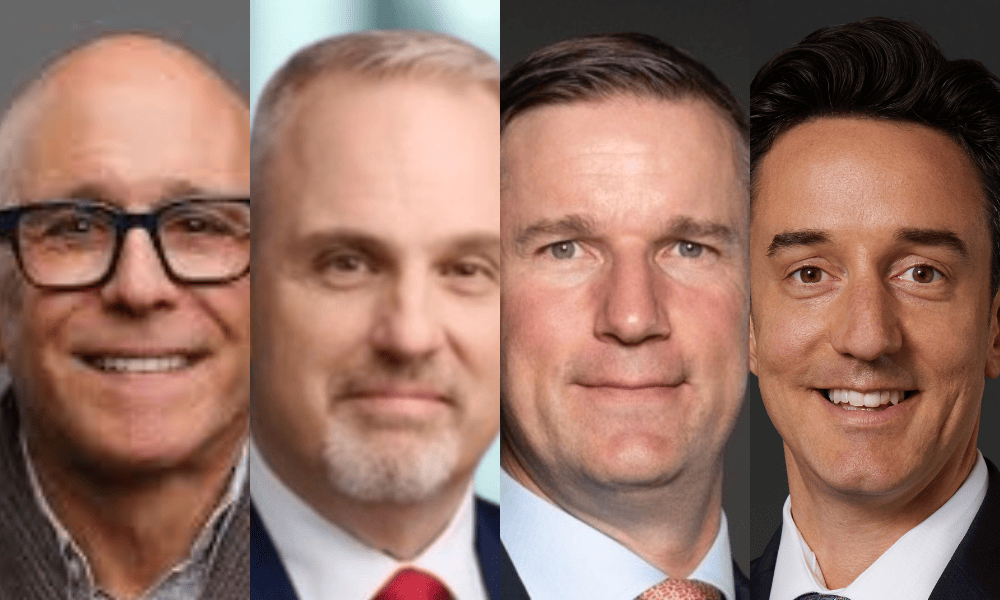
Stephen DiMaio, head of private wealth at ABS Global Investments, notes that roughly 86% of U.S. companies with over $100 million in annual revenue are private, and the median company spends about 12 years in private hands before listing. "Today, a meaningful share of that value accrues before the IPO ever happens," he said. "'Wait for the IPO' is no longer a neutral, no-cost strategy. It's a decision to opt out of a stage of value creation that used to be the exclusive domain of venture funds with ten-year lockups and seven-figure minimums."
To address this, ABS launched its Pre-IPO & Growth Fund in February 2026, an interval fund that offers quarterly liquidity and no accreditation requirement. Interval funds, as defined by the SEC, are registered closed-end funds that buy back a set portion of shares, typically 5% to 25%, at periodic intervals. Cerulli Associates estimates financial advisors already hold $2.2 trillion in private capital, with interval funds at about $132 billion at year-end 2025.
DiMaio frames the choice between late-stage private companies and venture capital as funding a hypothesis versus funding a track record. Seed and Series A deals fail 65% to 75% of the time and can take a decade or more to reach liquidity, he said. In contrast, Series D and later companies typically show market leadership, revenue growth, and improving margins, with failure rates of 5% to 15% and an exit often one to three years away. However, he warns that late-stage private valuations can run ahead of fundamentals just as easily as public ones, given the lack of public information.
Mitchell Caplan, CEO of Willow Wealth, emphasizes that "before the IPO" describes timing, not whether an investor is early to the opportunity. "A private company's valuation may already reflect years of expected success," he said. "A useful question is: Would I still want to own this investment if the IPO were delayed for several years?"
For direct stakes in a single private company, eligibility is a key hurdle. Brian Kuhn, senior vice president and financial advisor at Wealth Enhancement, notes that interested clients often must be qualified purchasers, a status generally requiring at least $5 million in investments. He compares investing in a single late-stage pre-IPO company to allocating to venture capital or private equity, but with added concentration risk. "Private equity and venture capital will normally include baskets of high-potential companies, so you have some protection through diversification," he said.
Rather than steering clients away from a specific name, DiMaio suggests using it as a bridge to a diversified late-stage vehicle that may hold it alongside other companies. "These allocations are generally positioned as a slice of an alternatives sleeve, not a replacement for core equity or fixed income," he said, adding that advisors should focus on sizing appropriately against liquidity needs and tolerance for a multi-year holding period. Eric Freedman, chief investment officer at Northern Trust Wealth Management, warns that access alone is no reason to invest, and that brand names and herd mentality can cloud judgment. He sees client curiosity as a chance to check a portfolio's AI exposure and broaden into healthcare and natural resources.
As the private market continues to grow, advisors are increasingly incorporating late-stage private investments into client portfolios. The SEC's push for private market access has brought compliance burdens for alts managers, while wealthy investors stick with alts despite private credit worries. The Anthropic IPO filing reveals a 12x revenue surge and $518B compute commitments, highlighting the scale of these opportunities. Ultimately, the price paid for a company determines the potential return, making rigorous underwriting essential.