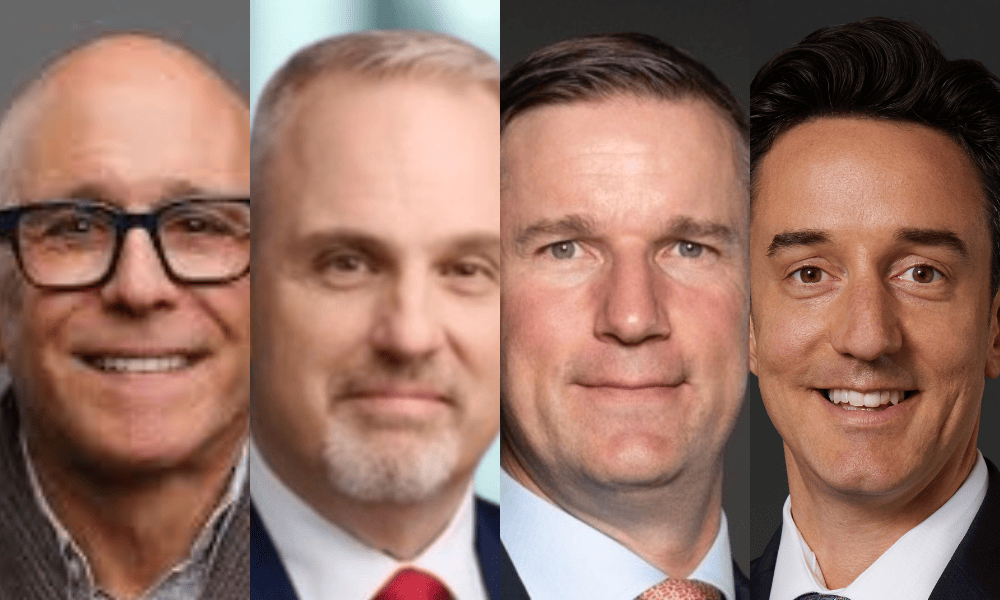
New platforms that let athletes sell a slice of their future earnings for immediate cash are drawing sharp warnings from wealth advisors, who say the deals can saddle players with open-ended financial obligations that far exceed the initial payout. The latest entrant, Agentiq, recently signed Washington Nationals infield prospect Ronny Cruz to a contract that pays the 20-year-old $1.2 million in exchange for up to 10% of his future on-field earnings in both the minors and majors, according to an SEC filing.
Kirk Loerwald, a partner at SAX Wealth Advisors who leads the New Jersey-based RIA's Athletes & Artists division, calls the arrangement “the worst type of risk” for an athlete. “A future percentage may sound modest to a young athlete who has not yet received a major professional paycheck,” he said. “But if that athlete eventually earns $50 million, the cost is $5 million. At $100 million, it is $10 million. There is generally no corresponding cap on how profitable the transaction can become for the investor.”
Cruz, a native of the Dominican Republic, is ranked No. 78 among baseball prospects by MLB.com and received a $620,000 signing bonus in 2024 after being drafted in the third round by the Chicago Cubs. He currently plays for the High-A Wilmington Blue Rocks, where minimum annual salaries are $27,940, according to Baseball America. Agentiq is offering up to 12,900 shares in Cruz's earnings at $100 each to its network of investors and sports fans.
Not all advisors dismiss the concept outright. Ben Davidson, associate VP and head of the sports & entertainment division at Houston-based RIA Americana Partners, notes that professional sports careers are fragile. “It's less about giving away 10% of future upside and more about locking in a floor,” he said. “Professional sports leave almost no margin for error, especially early in a career, and the temptation to lock in cash now is real. Injury doesn't discriminate, and you never know which step on the field is your last. So, there's a legitimate case for taking a foundation off the table early.”
Agentiq was formed in 2025 by Zach Kurtz, a former Division I baseball player who previously founded baseball equipment company LV Lumber Bats. Other firms in the space include X10 Capital, Finlete, Vestible, Working Capital Partners, and Big League Advance. The platforms vary in structure and fees, and often additionally offer training and marketing support to young athletes.
Jon Hayes, a sports-focused advisor at MAI Capital Management, says his firm advised an NBA player client who considered selling a share of future earnings but ultimately declined. “I thought given his set of circumstances and given the offer that was made, it was a fair proposal,” Hayes said. “We're a couple years removed now from that process. The way it's played out since the decision was made is it looks at this point like him taking the deal would have been prudent, but there's still hopefully a lot of his career left, and it remains to be seen.”
Hayes also emphasizes the “psychic value” of such decisions. “Is the player anxious about something in their personal financial situation that would be relieved by taking one of these offers? Are they going to play freer now that they've got a little bit of a safety net under them?” he said. “The concern would be the opposite of that — do they lose motivation now that there's some financial security that has been provided to them?”
The most high-profile cautionary tale is Fernando Tatis Jr., who signed a $340 million contract extension with the San Diego Padres in 2021. Tatis lost his 2025 lawsuit against Big League Advance, which sought to void the future-earnings contract he signed as a 17-year-old prospect that gave him $2 million up front in exchange for 10% of future earnings. Loerwald draws a parallel to business owners selling equity, but notes a key difference: “An athlete is selling a claim on his own future labor and performance. That makes the decision unusually personal and difficult to reverse.”
Agentiq and its broker-dealer, Andes Capital, charge a handful of fees in the Cruz offering: Agentiq receives a 4% negotiation fee and a 2.5% annual maintenance fee, while Andes gets 1% of gross proceeds as a broker fee. Advisors also worry about the public scrutiny athletes may face. “If he is in a slump, if he has a bad night, if he gets hurt — what's he going to be subjecting himself to both in real time at the games and then outside when he's off the field and in social media?” Hayes said.
Davidson, who played Division I soccer at the University of South Carolina and UNC Wilmington before becoming an advisor, compares the dynamics to music royalties and suggests reforms to existing models. He declined to specify changes but said the industry needs to better align incentives for athletes. For now, advisors urge caution, especially for young players with limited financial literacy. As Loerwald put it, “Often times credit is used instead of equity because the business owner understands the upside.”