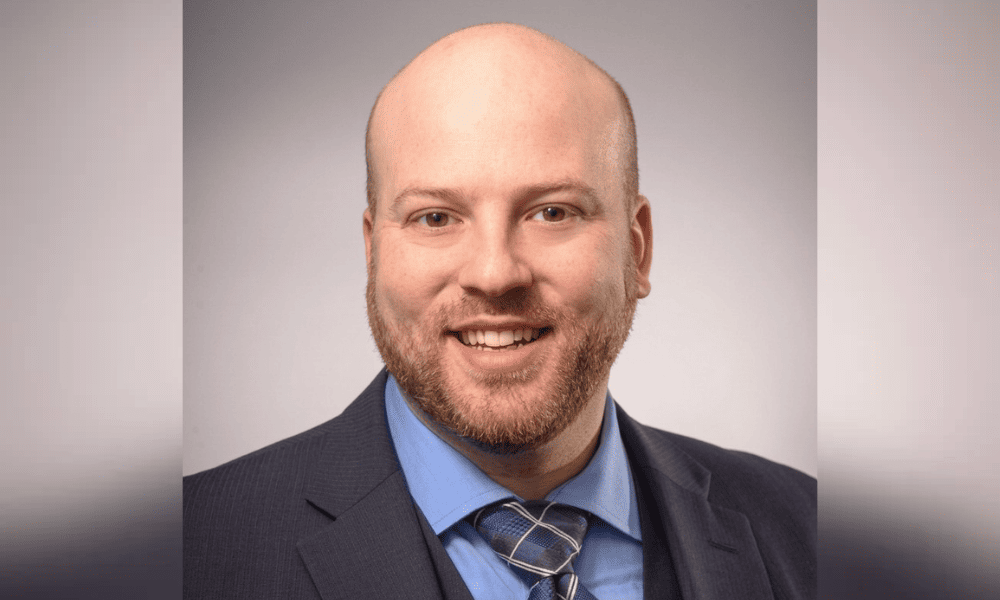
The U.S. Treasury completed automatic enrollment for Trump Accounts on October 1, 2026, opening accounts for more than 60 million eligible children. But Tim Steffen, director of advanced planning at Baird in Milwaukee, Wisconsin, told InvestmentNews that while the milestone is welcome, advisors should temper expectations about what it means.
"While this change does remove a step in the process, it creates a new one, so we need to remind our clients that just because the Treasury will open the account for them, their work isn't done," Steffen said. "The parent will still need to 'claim' the account, which requires an identity verification process. Only once that's done can the parent make additional contributions or change how the account is invested."
Parents of children born between 2025 and 2028 must also proactively request the $1,000 pilot program seed contribution - a step that has not changed. "While some things have changed, I wouldn't say this is a monumental shift or anything," Steffen said. "It makes it easier for a child to qualify for the contributions from charities, so that's good. Beyond that, though, things haven't really changed in how we discuss these."
Where Trump Accounts fit - and where they don't
For advisors fielding client questions, Steffen's framework is clear. As reported on the Trump Accounts planning landscape, the accounts are best understood as a complement to existing tools, not a replacement for them.
"Trump Accounts are unlikely to ever be the first priority when saving money for a child, but they definitely deserve consideration," Steffen said. "Most parents and grandparents looking to save money for a child are thinking about funding education expenses. In that case, 529 plans are clearly the best choice, given the larger contribution amount, greater investment flexibility and - most importantly - the big tax advantages they have."
The calculus shifts for children whose education funding is already secured. "This is especially true for kids who couldn't otherwise fund a traditional or Roth IRA, for example," Steffen said. "There's no work requirement for Trump Accounts, unlike other forms of an IRA, so they offer a way to save that otherwise might not be available."
The Roth conversion timing risk
Steffen identified one planning pitfall he expects advisors to encounter repeatedly: rushing the Roth IRA conversion at age 18. "I think most advisors recognize the value of converting a Trump Account to a Roth IRA eventually. Doing this right away at age 18 could be expensive, though," he said. "If that child is still subject to the kiddie tax at 18, the conversion would be taxed at the parents' tax rate - which is likely much higher than the child's tax rate. In that case, maybe wait to convert until the child is no longer subject to the kiddie tax, which is once the child is no longer in school or turns age 24."
The rollover question that remains unresolved
The issue advisors raise most - the ability to move a Trump Account to a custodian of the parent's choosing - remains outstanding. Steffen described the current situation as a client service gap more than a planning crisis. "This is kind of a mixed bag. I'm not sure many advisors are looking to add a new account that will have a low value, with very limited investment options, for a minor child. But they also want to be full service for their clients, so advisors will be willing to hold that account to keep the client's assets in one location," he said. "The rules on how these accounts can be invested mean the accounts aren't likely to look a lot different whether they're held at Robinhood or somewhere else, so it's really a client service issue."
"Until rollovers are allowed, advisors are really just helping clients understand how these work and where they fit in the client's overall financial plan," Steffen said. On the broader set of unresolved regulatory questions - including ABLE account rollover procedures from auto accounts and gift tax considerations - Steffen's read is pragmatic. "Rollover procedures are probably the ones advisors ask about the most, but that's more of an operational issue than a real planning issue," Steffen said. "For the vast majority of clients, it appears the gift tax angle won't be an issue. I don't know that they're keeping advisors - or clients - awake at night."
Advisors looking for related guidance might also consider Baird's Steffen on 351 ETF conversions or PEP growth and fiduciary awareness.