Retirement is no longer a single event but a prolonged transition, according to new research from F&G Annuities & Life (NYSE: FG). The company's fourth annual Retirement Reconsidered survey, released October 15, 2026, found that 51% of pre-retirees now expect to semi-retire, working part-time or in a reduced capacity, rather than stop working altogether. Additionally, 75% have considered or are actively postponing their retirement date, up from 70% in 2025.
The survey, conducted by Censuswide between August 4 and August 31, 2026, polled 2,001 U.S. adults aged 50 and older who are primary or shared financial decision-makers with at least $100,000 in investable assets. The findings underscore a fundamental shift in how Americans approach their later working years—a shift that carries significant implications for financial advisors.
Redefining the retirement cliff
Only 21% of pre-retirees now equate retirement with a complete stop to work. More than half (53%) agree that the path to retirement is becoming more flexible, and 60% describe it as a gradual transition rather than a single milestone. Nearly two-thirds view retirement as an opportunity to reinvent themselves.
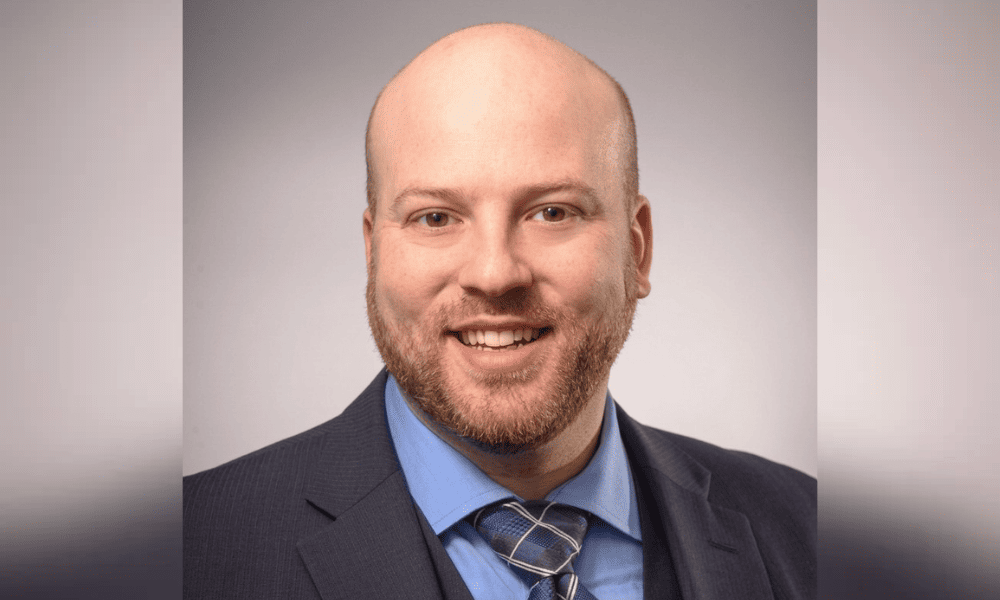
“Americans, no matter their savings or income bracket, aren't simply reconsidering when they retire; they're reconsidering what retirement itself looks like,” said Conor Murphy, CEO and President of F&G. “For some, that means choosing to work less, transitioning gradually into retirement or even reinventing themselves in a new chapter, while for others, original plans are giving way to financial realities.”
This mindset shift creates new planning challenges. A client who plans to work part-time for five to eight years after their primary career ends has different cash flow, tax, and Social Security timing needs than one who exits the workforce cleanly at 65. Advisors must adapt their retirement income strategies accordingly.
Economic pressures and Social Security uncertainty
The survey also reveals that much of this flexibility is driven by necessity. More than half (51%) of pre-retirees expect to retire later than originally planned, up from 45% in 2025. Among those delaying, 52% cite fear of insufficient savings, up from 48% the prior year.
Social Security uncertainty tops the list of factors influencing retirement planning, cited by 46% of respondents. Healthcare and long-term care costs follow at 43%, with Medicare availability a concern for 31%. These concerns are well-founded: the Social Security Board of Trustees' 2026 annual report projects the program's trust funds will run short of money by 2034, just as the oldest Generation X cohort reaches full retirement age.
External events are also weighing on plans. 57% of respondents aged 50 and over say the events of 2026 have affected their retirement planning, up from 49% in 2025. Among pre-retirees, that figure jumps to 70%, up from 61% last year.
Generation X: the most anxious cohort
The generational divide is stark. Among Gen X respondents (aged 50 to 61), 68% say outside events have altered their retirement decision-making, an 11-percentage-point increase from the prior year. Baby Boomers aged 62 to 80 show a more muted response, with approximately 51% reporting the same impact.
Gen X also grades itself harshly on readiness. Just 11% give themselves an A for retirement financial readiness, compared with 20% across all respondents aged 50 and older. At the same time, 73% of Gen X respondents say they feel the need to invest or increase investment in products that deliver guaranteed income, versus 67% across all age groups.
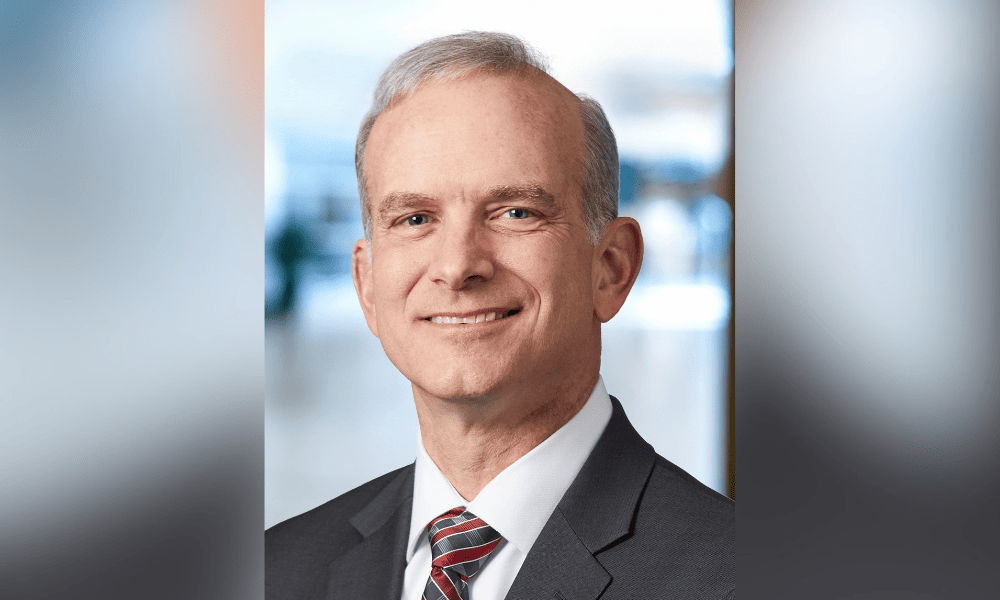
“The roadmap to retirement is no longer a straight line, which makes personalized financial planning increasingly important,” said Ron Barrett, Chief Distribution Officer at F&G. “A financial professional can help individuals think through how their assets will support the different stages of retirement and secure a financial legacy through a customized plan that provides predictability along the way.”
Demand for guarantees and advisor guidance
Despite the embrace of flexibility, the survey reveals a parallel demand for certainty. Three-quarters of respondents (75%) say they would prefer greater financial predictability and stable income over higher investment growth potential, even if that means limiting upside. This preference is driving renewed attention toward guaranteed income products.
According to a separate October 2026 report from Cerulli Associates on U.S. defined contribution distribution, most pre-retirees are uncomfortable making key retirement income decisions without an advisor's guidance. “As much as they want guaranteed income in retirement, pre-retirees also want a personalized, detailed plan they can follow in retirement,” noted Chris Bailey, Director of Retirement at Cerulli.
Annuity sales have been on an upward trajectory in response to this demand. Industry data indicates that guaranteed income solutions are increasingly being positioned as core portfolio allocations rather than peripheral add-ons. For advisors, this represents an opportunity to engage clients with advisor-led planning in DC plans and to address the gap between worry and advice. As the retirement landscape evolves, advisors who can translate product complexity into client-ready conversations will be well-positioned to meet the needs of a generation redefining what retirement means.