BlackRock Inc. delivered a third-quarter earnings beat on Wednesday, powered by an artificial-intelligence-led stock rally that kept client money flowing into the world's largest asset manager, even as a resurgent Federal Reserve tightening cycle and a sharp selloff in long-dated Treasuries cloud the final months of the year.
The New York-based firm posted adjusted earnings of $15.93 per share for the quarter ended Sept. 30, comfortably above the $14.13 consensus estimate compiled by LSEG, as cited by Reuters. That represented a 38% jump from $11.55 a year earlier. Revenue climbed 19% to $7.75 billion.
Clients added a net $205 billion during the quarter, lifting assets under management to $15.49 trillion, up from $13.46 trillion at the same point in 2024. Shares rose 5% in premarket trading following the release.
AI trade fuels record ETF inflows
BlackRock's iShares exchange-traded fund franchise gathered $135 billion in net inflows during the quarter, bringing year-to-date additions to $444 billion—a company record. The firm's so-called Precision ETFs, which target specific sectors, regions and themes, accounted for $41 billion of the quarterly total, with much of that tied to AI-linked exposures such as semiconductors and Asian equities.
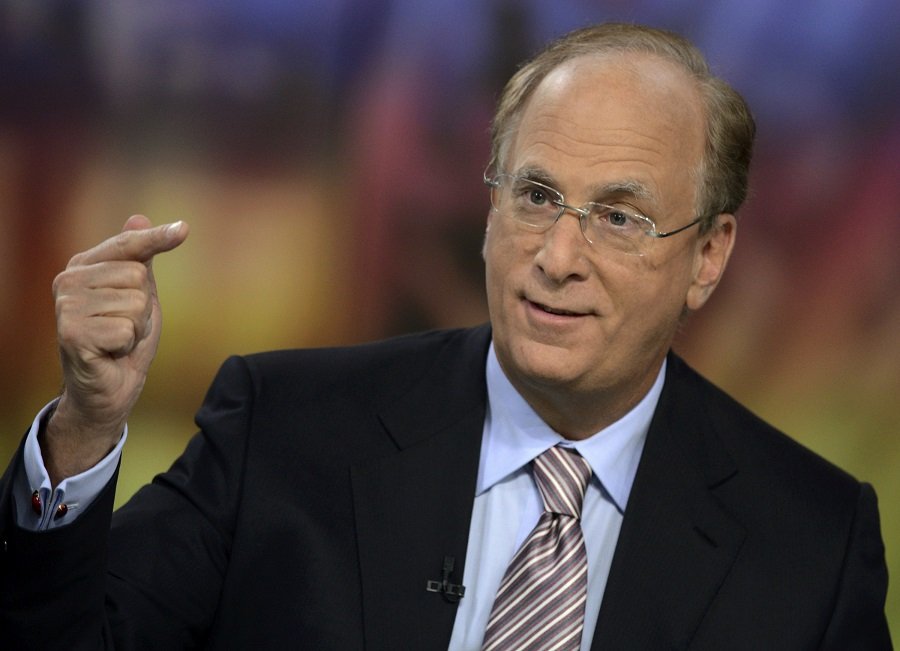
Chairman and CEO Larry Fink tied the market's strength to the technology cycle. "Market fundamentals are strong and well supported, with higher margins and earnings momentum catalyzed by new technology," he said in a statement cited by Reuters. The AI theme also extended into private markets, where BlackRock raised $68 billion over the trailing twelve months and made the first deployment from its AI Infrastructure Partnership during the quarter.
Equity market gains added roughly $40 billion to BlackRock's stock assets in the period. Technology services and subscription revenue, which includes the firm's flagship Aladdin platform, rose 14% year over year to $588 million.
Bond buyers stay put as Fed turns hawkish
The results arrive four weeks after the Federal Reserve raised its benchmark rate by a quarter point to a range of 3.75% to 4% at its September meeting—the first hike since July 2023. Minutes released last week indicated that a majority of policymakers saw another increase as likely appropriate by year-end, leaving Fed watchers with a hawkish signal ahead of the October meeting.
The prospect of further tightening has unsettled markets that rallied for much of the year. Late last month, a deepening bond selloff pushed the 30-year Treasury yield to about 5.44%, its highest level since 2004. Such elevated yields are drawing money out of equities and into safer assets, with lingering questions about the durability of the equity rally adding to that shift.
BlackRock's fixed income products attracted $78.2 billion in net inflows during the quarter, with iShares bond ETFs contributing $61 billion. However, broader market moves effectively reduced fixed income assets by about $117 billion, leaving the category at $3.35 trillion at quarter-end, below its June level despite the new money.
Private credit redemption pressure eases at HPS
Private credit—lending that nonbank firms make directly to companies—remains a central pillar of BlackRock's strategy to reduce reliance on low-fee index products. Over the past year, investor wariness grew over lenders' exposure to software companies vulnerable to AI disruption and over how loans are valued. BlackRock was among the large managers forced to cap investor withdrawals earlier this year as redemption requests surged across the sector.
That pressure appears to be easing. Reuters reported that redemption requests at BlackRock's HPS Corporate Lending Fund fell to roughly 11.5% of shares in the third quarter, down from 13.3% in the second. Most large private credit managers reported a similar slowdown.
BlackRock recorded $15.3 billion of net inflows into private markets, including $5 billion into private credit, where assets ended the quarter at $152.3 billion. The fee economics explain the push: private markets made up about 2% of BlackRock's assets but roughly 11% of its base fees and securities lending revenue in the quarter. The firm aims to generate more than $35 billion in annual revenue by the end of the decade, with over 30% coming from private markets and technology.
"We're entering our seasonally strongest fourth quarter with accelerating momentum, and a broad pipeline spanning whole portfolio, private markets, retirement, and our international platforms," Fink said. For advisors, the results underscore the continued gravitational pull of index-based products even as the firm pushes into higher-fee alternatives. Related developments in the wealth management space include Citi's record wealth inflows and independent platforms adding assets via advisor hires.