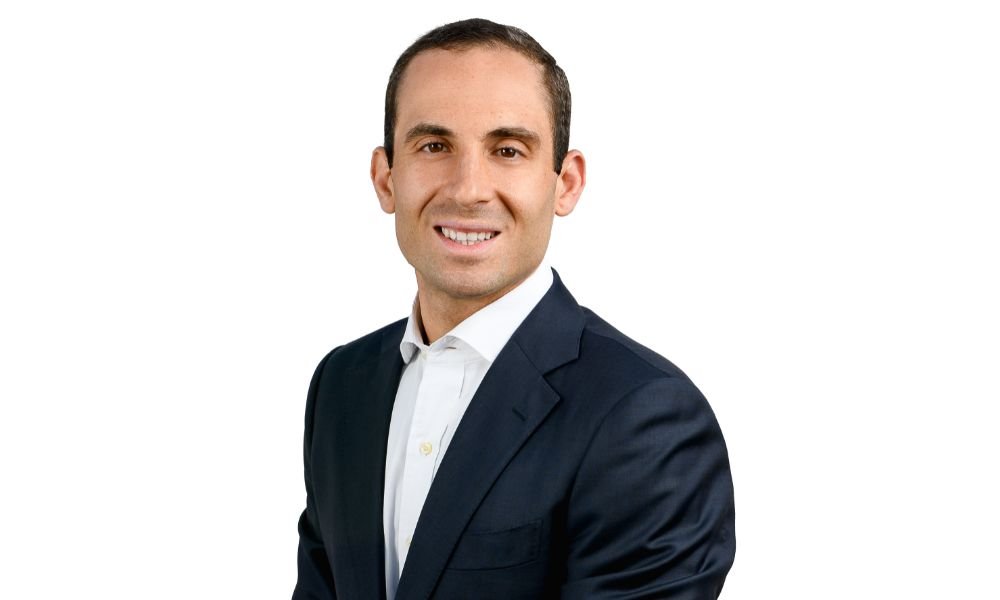
The Charity Parity Act, introduced last week in both the House and Senate, would permit individuals aged 70½ or older to make qualified charitable distributions directly from 401(k), 403(b), and 457(b) plans. Currently, such distributions require a rollover to an IRA, a process that can incur fees and administrative hurdles. The bill aims to eliminate that detour, but according to Robert Westley, senior vice president and regional wealth advisor at Northern Trust, the practical impact for most high-net-worth retirees may be limited.
Westley, recognized among InvestmentNews' 5-Star Financial Planners for 2026, views the legislation with tempered optimism. "I think it's a positive improvement," he said. "There should be more parity between IRAs and 401(k)s just from a simplification standpoint." However, he noted that most of his clients already roll over their 401(k) assets to IRAs upon retirement, typically around age 65, well before the 70½ threshold for QCDs. The motivation is often to consolidate assets and gain access to a broader range of investment options.
The QCD strategy has gained traction following the 2017 Tax Cuts and Jobs Act, which reduced the number of taxpayers who itemize deductions. For retirees taking required minimum distributions, QCDs offer a way to satisfy RMDs while effectively obtaining a charitable deduction, even if they take the standard deduction. The One Big Beautiful Bill Act further enhanced QCDs' appeal by imposing a 0.5% adjusted gross income floor on charitable deductions for itemizers and capping the benefit at the 35% rate for top earners. "QCDs are a great way now to get an effective 100% tax write-off for your charitable giving," Westley said.
Despite the bill's potential to simplify the process, Westley argues that the rollover step it seeks to bypass is one most clients already undertake as part of broader planning. "I see clients tending to want to roll over their 401(k)s to IRAs," he said, particularly those who have worked for multiple employers and seek consolidation. The exception, he noted, is for individuals in high-quality 401(k) plans with low fees and strong investment options. For them, the ability to make QCDs directly from the plan could be a meaningful advantage.
Westley also pointed to two significant limitations in the current QCD framework that the Charity Parity Act does not address. The first is the annual cap on QCDs, set at $111,000 per individual for 2026. While indexed for inflation, this limit falls short for many of Northern Trust's philanthropic clients with large RMDs. "A lot of our clients have RMDs higher than $111,000, and they also have the charitable intent to give more," he said. "A higher annual limit would be beneficial for clients and for charities as well."
The second constraint is that QCDs cannot be directed to donor-advised funds or private foundations, which have become the charitable vehicle of choice for many affluent clients. This restriction effectively fences off the QCD strategy from the structures the wealthy have built their giving around. Westley suggested that addressing these gaps could have a more substantial impact than the parity bill itself.
For advisors, the takeaway is that while the Charity Parity Act is a welcome simplification, it is unlikely to transform retirement planning for most clients. The broader challenges—such as the QCD cap and restrictions on giving vehicles—remain. As Westley noted, the bill is a step forward, but not a complete solution. Advisors should continue to evaluate their clients' specific circumstances, particularly those with large RMDs and philanthropic goals, to determine the most effective charitable giving strategies.