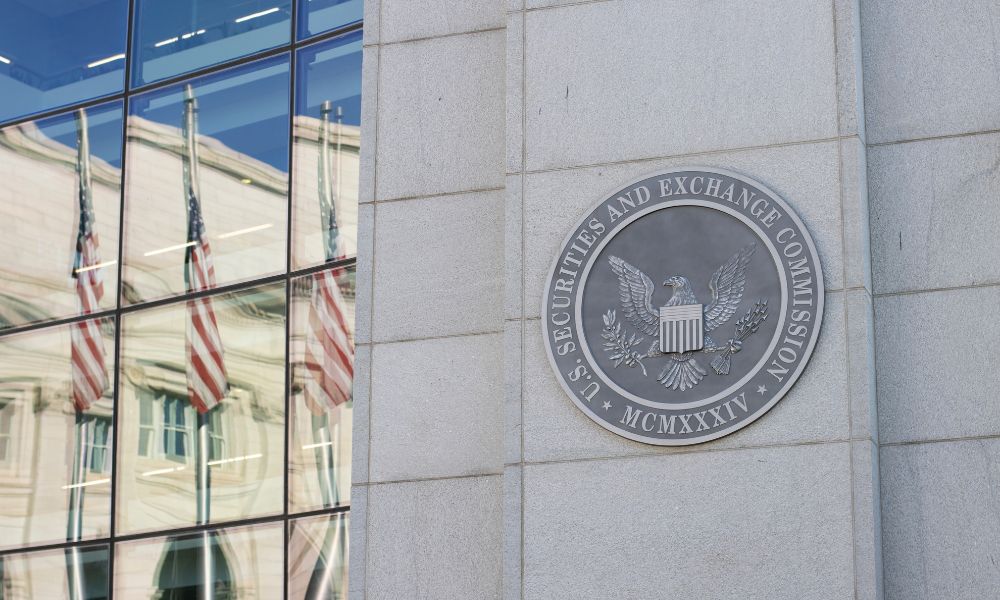
The Securities and Exchange Commission announced Tuesday that Kenneth Leech, the former star bond manager at Western Asset Management Co. (Wamco), will pay a $3 million civil penalty to resolve allegations that he engaged in “cherry-picking” trades. The settlement, which requires court approval, brings total penalties in the case to $103 million, with the additional $100 million levied against Wamco in June for supervisory failures.
Leech, who pleaded guilty in June to one count of obstruction of justice, faces a recommended prison sentence of six to twelve months under federal guidelines, according to Reuters. Prosecutors dropped four fraud charges as part of his plea agreement. The SEC's civil case alleged that Leech allocated profitable trades to favored clients while directing losing trades to others, a practice known as cherry-picking.
The alleged scheme, which ran from January 2021 to October 2023, involved more than $600 million in trades, according to Reuters. Authorities accused Leech of waiting to see how trades performed on their first day before retroactively assigning them to client accounts. He allegedly directed better-performing trades to “Macro Opportunities” portfolios, which he described as reflecting his best ideas, while steering worse trades to “Core” and “Core Plus” portfolios.
Leech, once the face of Wamco's fixed-income prowess, was charged by the SEC and the Department of Justice in late November 2024. The charges triggered a wave of client withdrawals, with tens of billions of dollars pulled from the firm, which Franklin Resources acquired as part of its 2020 purchase of Legg Mason. The reputational damage has been significant for a firm that had long been regarded as a leader in bond investing.
The SEC's settlement requires Leech to pay the fine without admitting or denying wrongdoing. Wamco also did not admit wrongdoing in its June settlement. Prosecutors had accused Leech of lying during sworn SEC testimony by answering “yes” when asked if he had “an allocation in mind” when placing trades, a statement they alleged was false.
This case highlights the ongoing regulatory scrutiny of trade allocation practices in asset management. Advisors and compliance professionals should note that the SEC is actively pursuing enforcement actions in this area, as seen in recent compliance burdens for alternative asset managers. The agency's focus on individual accountability, even for senior executives, underscores the importance of robust supervision and transparent trade allocation procedures.
For wealth managers, the fallout from the Leech case serves as a reminder of the potential consequences of supervisory lapses. The $100 million penalty against Wamco is among the largest ever imposed for failure to supervise a portfolio manager. It also illustrates how a single individual's actions can tarnish a firm's reputation and lead to significant client outflows, as seen in the aftermath of the charges.
The SEC's settlement is subject to court approval, and if approved, the $103 million will be returned to harmed investors. The case is part of a broader trend of regulatory actions aimed at protecting retail and institutional investors from unfair trade allocation practices. As the industry evolves, firms are increasingly investing in compliance technology and oversight mechanisms to prevent such misconduct.