The Federal Reserve convenes this week for its latest policy meeting, and financial advisors anticipating a rate cut are likely to be disappointed. The central bank is widely expected to maintain its benchmark rate at 3.5% to 3.75%, resisting pressure from President Donald Trump to lower borrowing costs. The Fed delivered three consecutive rate reductions last year, but has since paused amid persistent inflation concerns and geopolitical uncertainty.
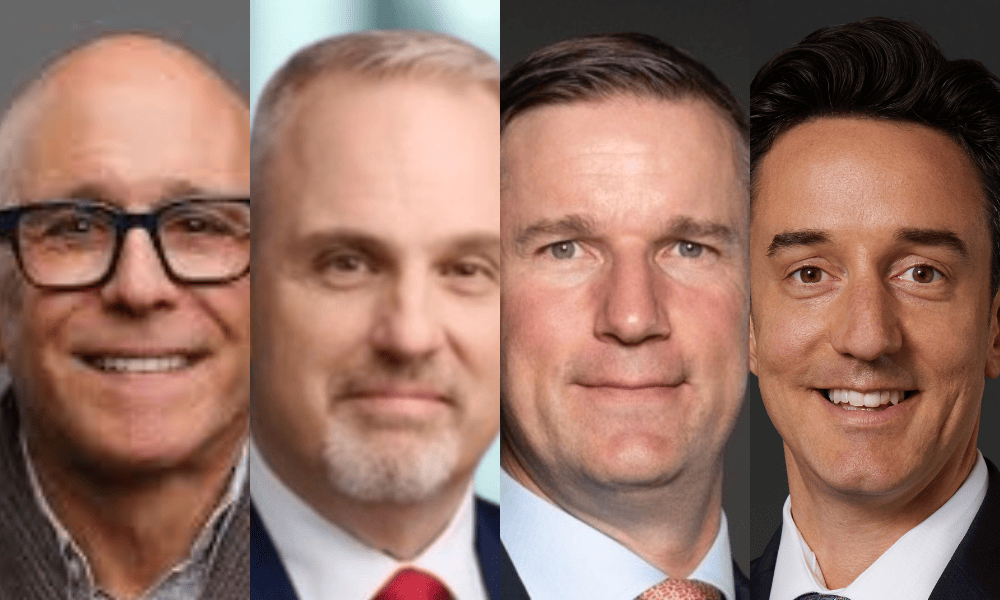
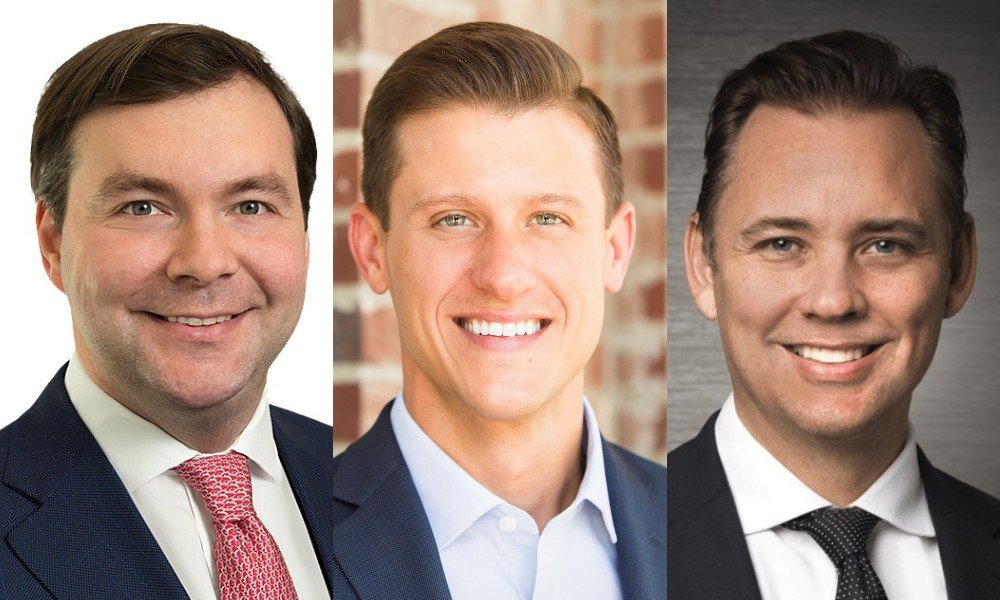
David Laut, chief investment officer at Kerux Financial, noted that the recent surge in bond yields has effectively tightened financial conditions. “The rise in bond yields over the past two months has essentially acted like a rate hike, since it's raised consumer borrowing costs across the board,” Laut said in a statement. He added that investors will be looking for commentary from the Fed on how the oil price spike—driven by the conflict between the U.S., Israel, and Iran—may affect the rate trajectory for the rest of the year.
Brent crude futures have climbed above $101 a barrel, even after a ceasefire was established in the Middle East. Andrzej Skiba, head of U.S. fixed income at RBC Global Asset Management, told InvestmentNews that before the war, the market had priced in two to three rate cuts for 2026. “Indeed, the market is currently pricing no rate cuts for the remainder of this year,” Skiba said. RBC’s base case now calls for either no cuts or a single reduction toward year-end.
The meeting also marks a potential turning point for Fed leadership. Chair Jerome Powell’s term ends in May, and former Fed governor Kevin Warsh has been nominated by President Trump to succeed him. During his confirmation hearing last week, Warsh asserted that “monetary policy independence is essential,” but added that it is not threatened when elected officials express their views on rates. “Fed independence is up to the Fed,” he said. Senator Elizabeth Warren criticized Warsh as a “sock puppet” for the president, highlighting the political tensions surrounding the nomination.
Skiba does not expect an immediate pivot from Warsh if confirmed. “Previously, there was an expectation that as soon as Chair Warsh comes into the seat, he will insist on rate cuts, but it’s pretty clear that, if we see any rate cuts, this would be a back-end loaded development for this year,” he said. “But it doesn’t mean that we have to price out rate cuts completely, it just means that if we see those, they will happen between the back-end of this year and into 2027.”
Glen Smith, chief investment officer at GDS Wealth Management, suggested that Wednesday’s meeting may carry less weight given the impending leadership change. “We do not expect any rate cuts on Wednesday, and investors may place less emphasis on Powell's commentary as he wraps up his tenure as Chair,” Smith said. He described Powell’s eight-year term as notable for navigating the Covid crisis, surging inflation, and unprecedented political pressure from the administration.
Advisors are also monitoring broader market dynamics, including the impact of rising oil prices on inflation expectations and consumer spending. The conflict in the Middle East has introduced new uncertainty, with energy costs potentially feeding into core inflation measures. For RIAs and broker-dealer advisors, the key takeaway is that the Fed’s path remains data-dependent, with geopolitical risks and commodity prices now central to the outlook.
For more on how regulatory and technological shifts are reshaping advisor workflows, see SEC Proposes Semi-Annual Reporting: Advisors Weigh Impact on Research and Transparency and Morningstar, Perplexity, and Plaid Integrate to Streamline Advisor Research with AI.