The Federal Reserve delivered its first interest-rate increase in more than two years on Wednesday, lifting the federal funds target range to 3.75%-4% in a unanimous 12-0 vote. The decision, announced at the conclusion of the Federal Open Market Committee's September meeting, marks a reversal from the easing cycle that saw the central bank hold rates steady since December 2025.
The move had been widely anticipated by markets. According to the CME FedWatch tool, futures pricing on Wednesday morning implied a 92.9% probability of a hike to the 3.75%-4% range, with only a 7.1% chance of no change. The decision follows a hotter-than-expected core CPI reading last week, driven in part by rising energy costs, which reinforced expectations that the Fed would act.
In its statement, the FOMC noted that "economic activity is expanding at a solid pace" and that "domestic spending has been resilient," while acknowledging that "inflation remains elevated." The committee also cited elevated uncertainty from geopolitical developments, but stopped short of signaling the path ahead.
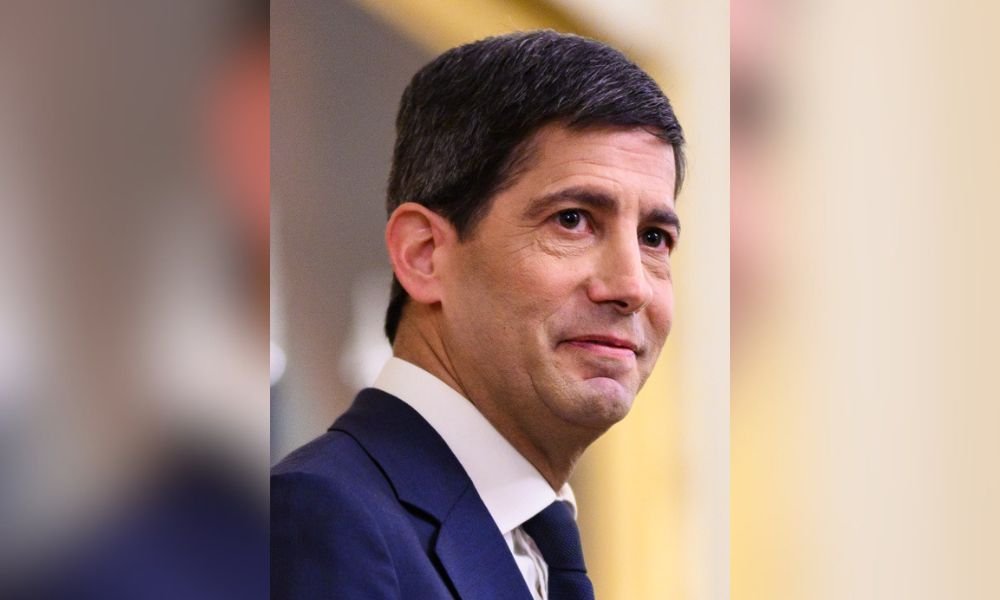
Fed Chair Kevin Warsh, a Trump nominee who has led the central bank since last year, had telegraphed the move in recent weeks. At the Jackson Hole Economic Policy Symposium last month, Warsh warned that elevated inflation could force the Fed's hand. His hawkish remarks helped push market odds of a September hike above 55% at the time.
Governor Christopher Waller also signaled support for a hike in a recent Reuters event, saying he would back an increase if inflation did not cool. The unanimous vote suggests broad agreement within the committee, despite President Donald Trump's repeated calls for rate cuts. The last cut came in December 2025, when the Fed lowered rates to 3.5%-3.75% and then held steady.
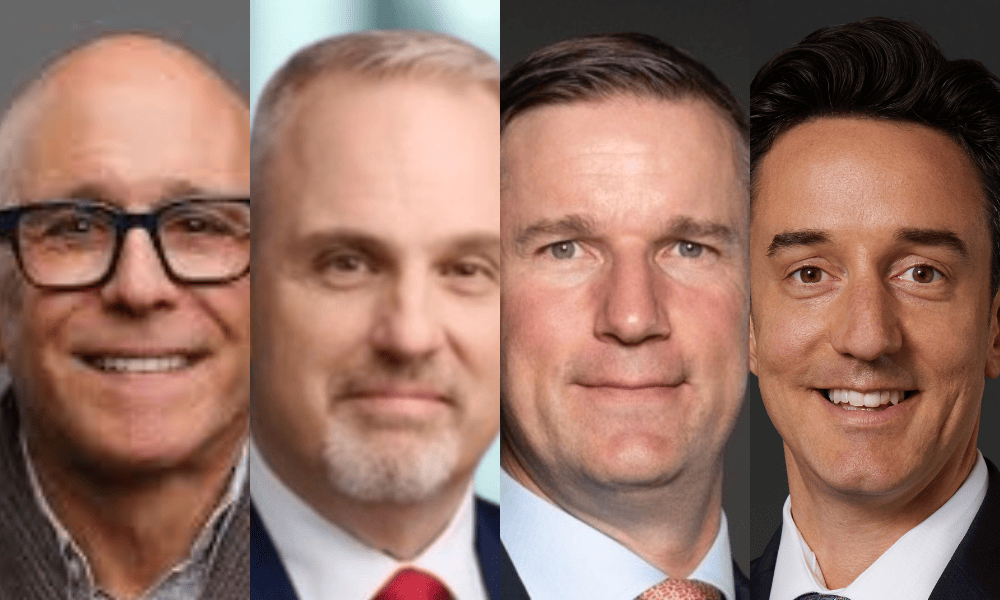
Investors are now focused on how markets will react. In a note earlier this week, strategists at LPL Financial—including chief equity strategist Jeff Buchbinder, chief economist Jeffrey Roach, and chief technical strategist Adam Turnquist—reviewed historical performance following initial Fed hikes. They found that "stocks typically struggle for a few months before regaining their footing." During the six tightening cycles since 1994, the S&P 500 generally posted negative returns in the first four months after the initial increase, before improving significantly by five to six months.
The rate hike comes amid a backdrop of mixed economic data. While the labor market remains resilient, inflation has proven stickier than expected, with core measures running above the Fed's 2% target. The decision also has implications for advisors and their clients, as higher rates affect bond yields, equity valuations, and borrowing costs.
Looking ahead, the Fed's next moves will depend on incoming data. The committee's statement offered no explicit forward guidance, leaving the door open for further hikes if inflation persists. As Warsh has emphasized, the central bank remains data-dependent, and the path of rates will be shaped by economic developments in the coming months.