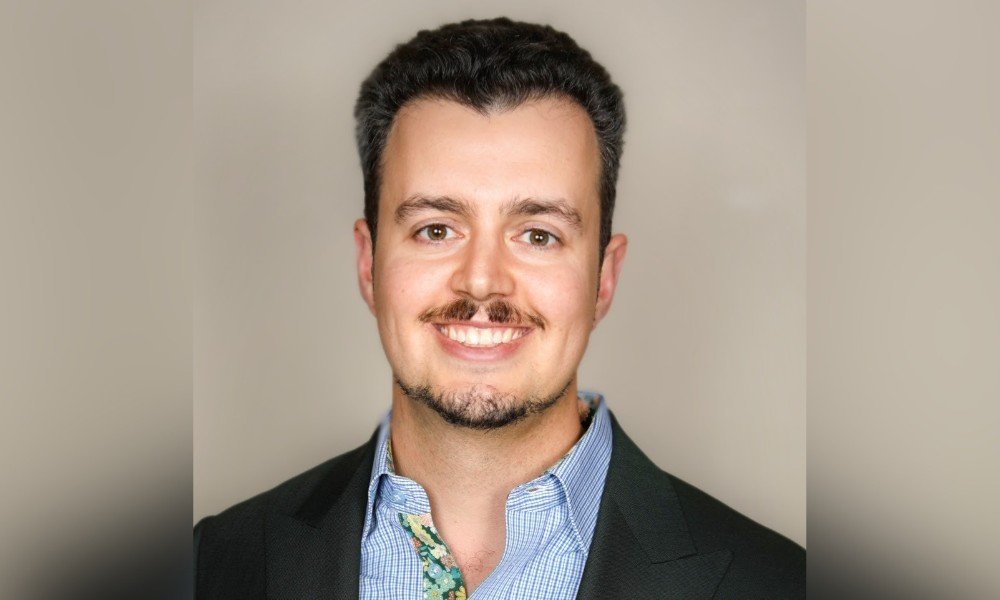
Franklin Templeton Investment Solutions is urging financial advisors to reconsider the traditional 60/40 portfolio allocation, framing it less as a relic and more as a foundation that requires customization. Deputy Chief Investment Officer Max Gokhman likened the strategy to a “throwback track” that still has value but no longer fits every investor’s playlist. “Today’s markets don’t signal a 60/40 comeback,” Gokhman said in a statement. “The band isn’t broken up because stocks and bonds still work better together than alone, but investor objectives, like musical tastes, have become more nuanced.”
The 60/40 mix—60% equities and 40% fixed income—has faced mounting skepticism in recent years. Charles Schwab’s 2025 Modern Wealth Survey found that 42% of respondents consider the approach outdated, while 67% believe successful investing now requires looking beyond stocks and bonds. Among Gen X and baby boomer respondents, that figure rose to 69% for both cohorts. The data underscores a shift in client expectations, as investors increasingly demand portfolios tailored to specific life goals rather than generic risk profiles.
Gokhman emphasized that the core issue is not the 60/40 model itself but its rigidity. “Investors want portfolios that address specific goals. Can I have income in retirement? Can I buy a home? Can I send my kids to college?” he said. “Portfolios need to not just smooth market swings but help meet investor needs. A strategy that doesn’t adjust as markets and life evolve is like playing the same track on repeat.” He advocates for a dynamic approach that aligns asset allocation with an investor’s holistic financial picture, taking on risk when needed and pulling back when it is not, while maintaining prudent diversification across asset classes.
This call for evolution comes as alternative investments gain prominence. Franklin Templeton highlighted digital assets as a growing area, with Bitcoin and Ethereum serving as entry points. “We’re seeing entirely new segments crop up across utility tokens, tokenized real-world assets, and DeFi, each with its own idiosyncratic drivers,” Gokhman noted. The firm’s perspective aligns with broader industry trends, as advisors increasingly explore “news-proof” portfolios to navigate persistent volatility.
Even Vanguard, a longtime champion of the 60/40 model, is adapting. In late 2024, Vanguard Global Head of Portfolio Construction Roger Aliaga-Diaz explained that the firm’s time-varying asset allocation (TVAA) portfolio now leans more conservative, favoring a 40% stock and 60% bond mix. This shift reflects a recognition that static allocations may not suit all market environments or client needs. The move underscores a broader recalibration across the wealth management industry, as firms seek to balance tradition with innovation.
For advisors, the message is clear: the 60/40 portfolio is not dead, but it must be deployed with greater intentionality. Gokhman’s comments suggest that the model’s future lies in its flexibility, not its formula. As client demands grow more specific, the ability to customize allocations—whether through alternatives, digital assets, or dynamic rebalancing—will become a key differentiator. The challenge, as always, is to ensure that portfolios remain aligned with evolving goals without sacrificing the diversification that has long made 60/40 a staple.