Guardian Life Insurance's latest Mind, Body, and Wallet study, released in May 2026, paints a stark picture of American retirement readiness. The report, which has tracked these metrics for 15 years, found that overall well-being and financial health have hit their lowest points since the survey began. Only three in ten Americans report excellent or very good financial health, and a mere 13% say they are exactly on track to save enough for their desired retirement lifestyle.
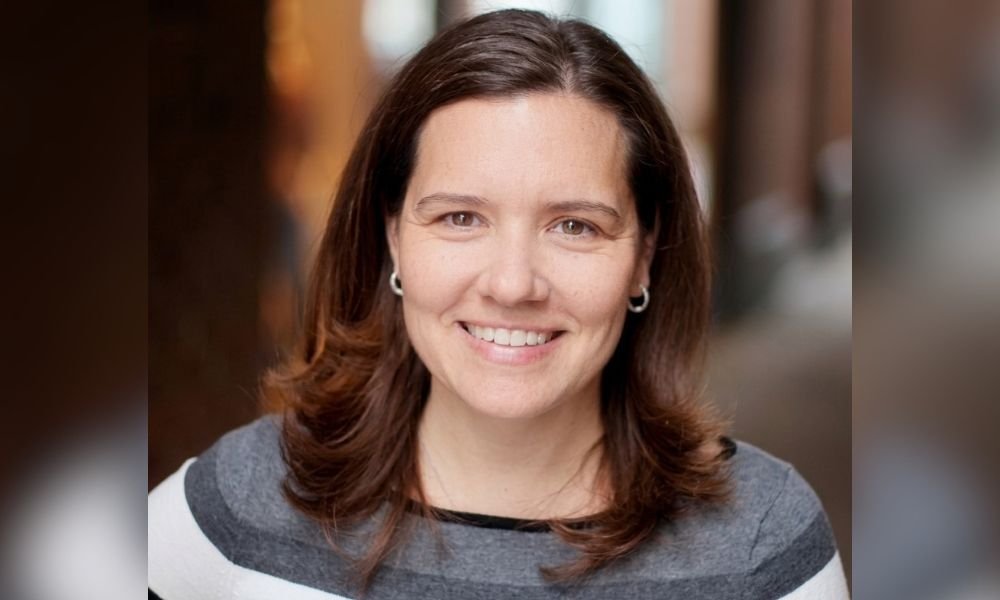
Nancy DeRusso, who joined Guardian in 2026 as head of client solutions after more than two decades at Goldman Sachs Ayco, sees this as a defining challenge for the financial advice industry. She calls it the 'longevity gap'—the disconnect between people's expectations of long, healthy lives and their actual preparation. 'Our research shows that most adults imagine their older years as an active, engaged life stage, not a period of withdrawal,' DeRusso said in an interview with InvestmentNews. Yet only one-third of Americans say they get enough exercise or manage their mental health well, and two-thirds admit to poor budgeting habits.
The gap is especially pronounced among younger generations. Gen Z and millennials report lower financial well-being scores than older cohorts, despite having the longest time horizon to build wealth. DeRusso notes that this is an opportunity: 'With time on their side, they can begin to establish good financial habits, such as building emergency reserves, saving consistently, investing for long-term growth, and participating in workplace retirement plans.' Advisors can help younger clients lay that strategic foundation early, which is critical given that many young adults already doubt their retirement prospects.
The report also reveals that 41% of Americans worry their retirement savings won't last. DeRusso argues that advisors have a broader toolkit than most realize, and she challenges conventional thinking about retirement spending. 'We sometimes think of retirement expenses as gradually increasing year after year with inflation, but largely being consistent,' she said. 'In reality, consumer behavior suggests that retirement expenses are more U-shaped, where we start off in the 'every day is Saturday' phase, settle into a new normal, and then see a spike in the later years due to end-of-life costs.'
That U-shaped pattern has direct implications for distribution planning. Advisors should help clients be as intentional about spending down assets as they are about accumulating them. 'With a more realistic understanding of retirement expenses, financial advisors can help clients think about how to spend those assets,' DeRusso said. This approach aligns with broader industry trends, such as guaranteed income products that can ease retirement anxiety.
One of the most overlooked areas in client conversations is health. The Guardian study found that only 40% of Americans keep up with routine doctor visits, 31% get enough exercise, and 27% eat a healthy diet. While advisors are not doctors, DeRusso stresses that the finances of aging and health are real. 'If clients expect a long and active retirement, advisors should help them think through how their health may affect future cash flow, housing decisions, caregiving needs, and health care expenses,' she said. Questions like whether to age in place or move to a retirement community, and how to account for long-term care insurance, are essential.
Health can also change suddenly, which advisors must plan for. 'A client's health status can also change quickly and unexpectedly,' DeRusso noted. 'While the goal is always a long and healthy lifetime, conversations should also involve what happens if someone's health deteriorates and how that could impact planned retirement spending.' This kind of contingency planning is a growing focus in the industry, especially as retirement assets swell to record levels.
DeRusso's prescription for advisors is to ask the uncomfortable question: 'What happens if you live longer than everyone in your family that's come before you?' She encourages advisors to explore what those additional years might look like financially, medically, and personally. 'That type of guidance can make all the difference to a successful retirement,' she said. The data from Guardian's report suggests that closing the longevity gap is not just about saving more—it's about having honest, forward-looking conversations that address both wealth and well-being.