U.S. financial advisors face a dense calendar this week as renewed military strikes between the United States and Iran, critical inflation data, and the first congressional testimony of Federal Reserve Chair Kevin Warsh converge to shape market sentiment. The combination of geopolitical uncertainty and economic indicators is likely to test the durability of the recent equity rally.
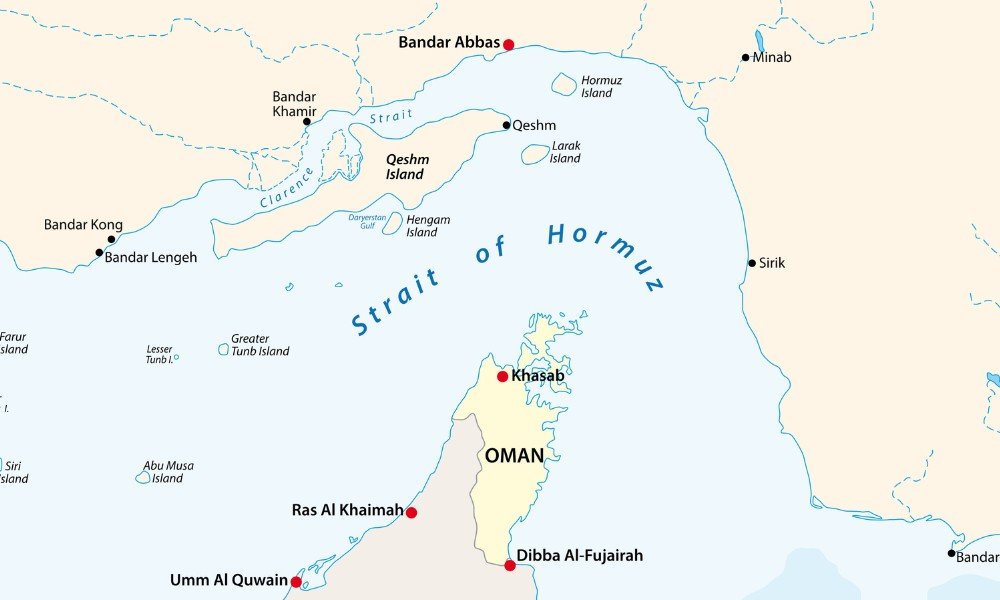
Over the weekend, the U.S. military's Central Command reported hitting dozens of targets in multiple locations with precision munitions, aiming to degrade Iran's ability to attack international shipping through the Strait of Hormuz. The strikes follow a breakdown of the recent ceasefire and mark an escalation in the conflict. In response, Brent crude futures rose 3.7% Monday, while West Texas Intermediate crude gained 3.5%, reversing some of the declines seen earlier this year when oil briefly topped $100 a barrel.
Alex Guiliano, chief investment officer at Resonate Wealth Partners, described the environment as a balancing act. "Markets are balancing macro headlines and corporate fundamentals this week, including big bank earnings, Chair Warsh's inaugural testimony, and key inflation data, all of which could help to set the near-term direction of stocks," he said. "While the Fed and CPI data will determine what's next for interest rates, the sustainability of this stock market rally ultimately hinges on whether corporate profits can support economic resilience."
Paolo Broccardo, CEO at BankPro, noted that the strikes have reignited concerns over shipping routes and pushed oil prices higher, reinforcing inflation worries. "The latter reinforced inflation concerns and drove expectations of monetary policy tightening, boosting yields, which jumped across the curve early in the session before subsiding to some extent," he said. Markets are now pricing in two interest rate increases, which could support both yields and the dollar.
On Tuesday, the Bureau of Labor Statistics will release June's Consumer Price Index, a key inflation gauge. May's CPI hit its highest level in three years, making this release particularly significant for advisors and investors. The data will be scrutinized for clues about the Fed's next moves, especially given the renewed upward pressure on energy prices. For context, recent May PCE inflation hit 4.1%, complicating the rate path.
Fed Chair Kevin Warsh is scheduled to appear before the House Financial Services Committee on Tuesday and the Senate Banking Committee on Wednesday. The latest Fed minutes revealed internal divisions on rates, and the re-escalation of Middle East tensions could further complicate the outlook. Guiliano expects lawmakers to press Warsh for a more transparent roadmap on how the Fed plans to handle the push and pull of geopolitical uncertainty, which has a direct link to inflation.
Earnings season kicks into high gear Tuesday with second-quarter results from JPMorgan Chase, Citigroup, Wells Fargo, Bank of America, and Goldman Sachs. Last quarter, banks largely shrugged off geopolitical uncertainty, with JPMorgan beating expectations on strong trading revenue and dealmaking. This time, the focus is on consumer health. "Big banks typically set the tone for earnings season, but this week they are providing a crucial gut-check on the health of the consumer," Guiliano said. "The real question is whether these reports will validate the strong spending narrative, or if mounting geopolitical risks and elevated interest rates have had a more significant impact."
For advisors, the week demands proactive client communication. Preparing clients for Tuesday's CPI print and monitoring the tone of Warsh's testimony—where a hawkish stance could move rate-sensitive holdings—are key tasks. Bank earnings should be treated as a checkpoint on consumer health rather than a trading signal. Meanwhile, oil remains well below its earlier highs, offering some perspective for anxious clients.


