The public listing of SpaceX last week, which closed its first day on the Nasdaq with a market capitalization exceeding $2 trillion, has set a new benchmark for initial public offerings. The Elon Musk-led space exploration company saw its shares climb more than 19% on debut and continued to rise over 14% in subsequent trading. This event marks the largest IPO in history and signals the beginning of a wave of mega-IPOs from highly valued private companies.
Among the next in line is Anthropic, the developer of the Claude AI assistant, which recently filed its Form S-1 with the Securities and Exchange Commission. The San Francisco-based firm has achieved a private-market valuation approaching $1 trillion. Similarly, OpenAI, the parent company of ChatGPT, has also submitted its S-1 filing, though it indicated that its public debut may be delayed. OpenAI completed a funding round in March that valued the company at $852 billion.
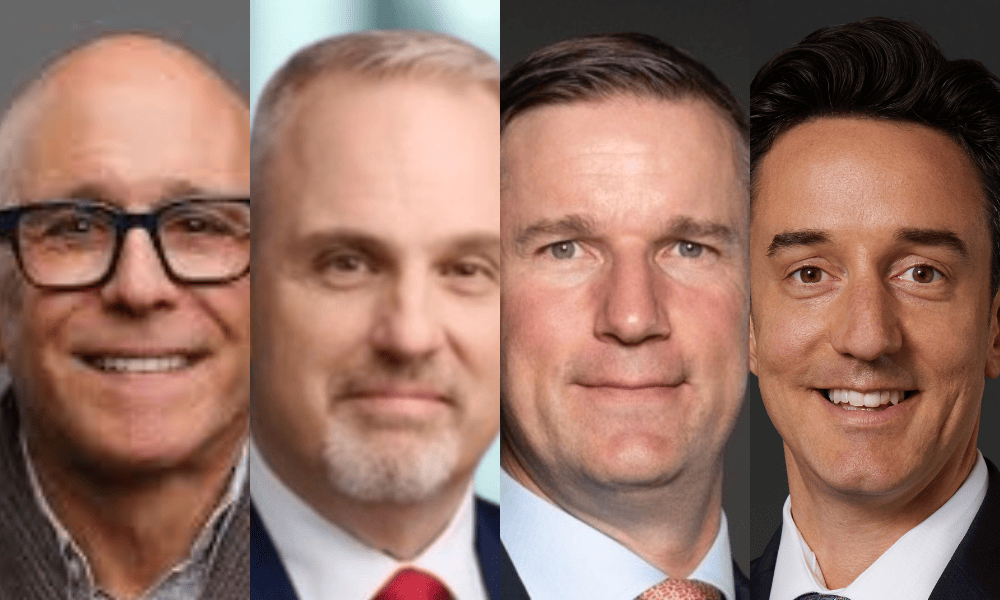
Michael Landsberg, chief investment officer at Landsberg Bennett Private Wealth Management, described the emergence of these mega-IPOs as “uncharted territory” for markets. “We haven’t ever seen IPOs come to market with these huge, trillion-dollar market caps before,” he said in a note. “For us, a lot of the easy money has been made before the average investor can get any access. We wouldn’t be rushing to buy them given these huge market caps.” Landsberg added that strong performance from these listings could spur more IPOs and create a banner year for investment banks, but also warned of potential investor euphoria.
Todd Ahlsten, chief investment officer and portfolio manager at Parnassus Investments, echoed caution. “It’s very unlikely we will participate in these high-profile IPOs,” he stated. “While these IPOs represent important and potentially transformative companies, we need greater clarity on how durable their competitive advantages are, how profitable they can become over time, and how much of that future growth is already built into the stock prices.”
Ahlsten highlighted the risks associated with fear of missing out (FOMO). “The excitement around these IPOs, combined with a limited number of shares available to trade, and the AI hype cycle, creates a backdrop where panic buying and FOMO could highly influence these IPO stock prices at the offering as they begin trading,” he said. “This increases the risk of paying an elevated price relative to each IPO’s current outlook.”
The surge in mega-IPOs comes amid a broader shift toward private markets, which have reached $18 trillion in assets, according to a recent CFA Institute report that called for regulatory overhaul. Advisors are increasingly navigating client demand for alternative investments, with infrastructure gaining favor while private credit loses steam, as noted in a recent analysis of advisor alts demand.
For advisors, the key takeaway is to approach these mega-IPOs with disciplined valuation analysis rather than succumbing to market hype. As Landsberg noted, the easy money has likely already been captured by private investors. The coming months will test whether these trillion-dollar valuations are sustainable or if they represent peak euphoria in a frothy market.