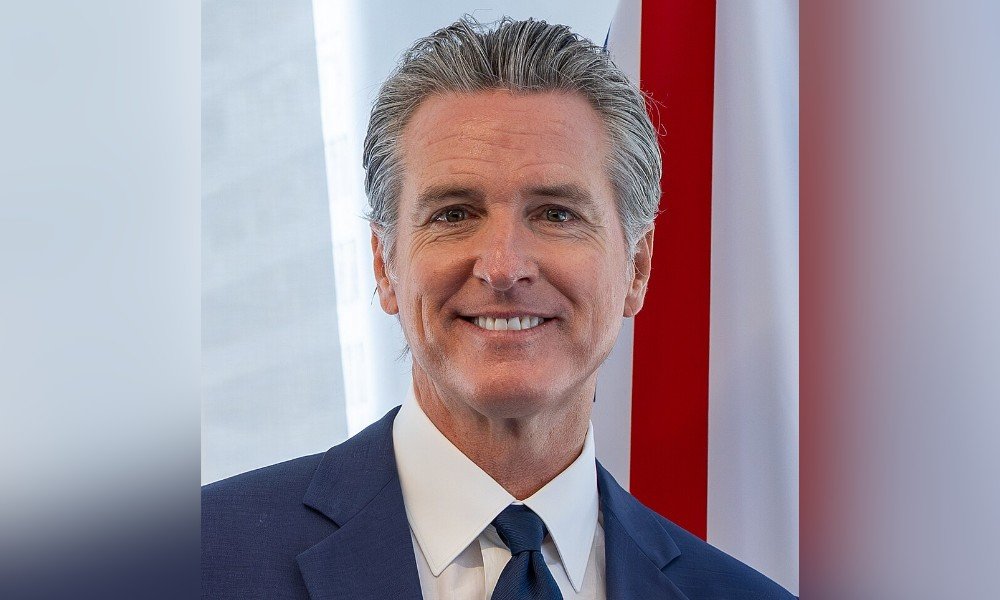
California Governor Gavin Newsom has called for a federal tax targeting billionaires, a proposal that could significantly alter the landscape for financial advisors and their ultra-high-net-worth clients. In a post on X on Friday, Newsom argued that the current economic system is "fundamentally broken" and advocated for a "national billionaires tax and a new social contract." The statement has fueled speculation about a potential presidential bid in 2028, with aides confirming to CNN that the governor is considering a White House run.
Newsom's proposal comes as the United States grapples with widening wealth inequality. He noted that 10% of Americans own two-thirds of the nation's wealth, while wages have stagnated and the cost of living has soared. "The federal tax code, a corporate code, and an inheritance code were written for a different set of Americans," he wrote, calling for an "economic reset." For advisors, such a tax could necessitate a reevaluation of estate planning, investment strategies, and tax mitigation for clients with net worths exceeding $1 billion.
However, Newsom's stance on state-level wealth taxes is more nuanced. He has opposed California's proposed 2026 Billionaire Tax Act, which would impose a one-time 5% levy on residents with a net worth of $1 billion or more. According to Politico, his opposition stems from concerns about the impact on the state's "tentpole industries," particularly technology, and the potential erosion of California's tax base. California voters will decide on the state-level tax in November, creating a complex regulatory environment for advisors operating in the state.
The national proposal, if enacted, would mark a significant shift in federal tax policy. Advisors would need to navigate new compliance requirements and adjust client portfolios to mitigate the impact of higher taxes on concentrated wealth. This could involve increased use of trusts, charitable giving strategies, and alternative investments. The proposal also aligns with broader discussions about tax reform, as bipartisan efforts to address Social Security funding highlight the need for sustainable revenue sources.
For advisors, the uncertainty surrounding tax policy is a recurring challenge. A recent Nationwide survey found that 84% of pre-retirees fear a lack of a care advocate more than costs, underscoring the importance of holistic planning. Similarly, advisors are navigating a "vibecession" where client sentiment diverges from strong economic data, making clear communication essential. Newsom's tax proposal adds another layer of complexity, particularly for clients in high-tax states like California.
Newsom's potential presidential campaign could elevate the billionaire tax to a national issue, influencing the 2028 election cycle. As one of the highest-profile Democrats, his policy proposals are likely to shape the party's platform. For advisors, staying informed about these developments is crucial, as changes in tax law could have profound implications for wealth transfer, business succession, and charitable planning. The proposal also raises questions about the feasibility of taxing unrealized gains, a concept that has faced legal and practical hurdles.
In the meantime, advisors should prepare for a range of scenarios, from incremental tax increases to more sweeping reforms. The recent federal court ruling striking down Trump's global tariffs demonstrates the volatility of policy changes and the importance of proactive planning. As the debate over wealth taxation intensifies, advisors who can provide clear, data-driven guidance will be invaluable to their clients.