Financial advisors across the U.S. are grappling with a persistent disconnect between robust economic data and their clients' lingering anxiety, a phenomenon increasingly referred to as a 'vibecession.' While GDP expanded at a 1.6% annualized rate in the first quarter of 2026 and the unemployment rate hovers near historic lows at 4.3%, many clients express unease about their financial futures. This sentiment gap has become a central focus for wealth managers seeking to prevent emotional decision-making from undermining long-term wealth accumulation.
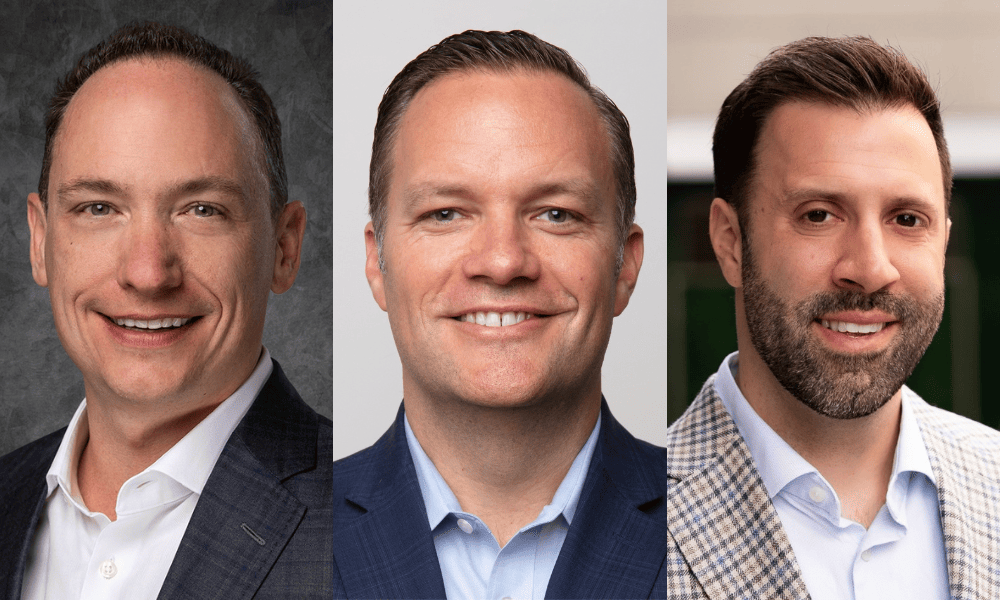
Delvin Joyce, a financial planner at Prosperity Wealth Group, part of Prudential Advisors, observes that clients often appear healthy on paper—with strong incomes, recovering retirement balances, and job security—yet emotionally they lack a sense of financial security. Joyce highlights housing as a prime example of this disconnect. Even high earners struggle to reconcile current home prices and mortgage rates with their expectations based on conditions just a few years ago. “The hesitation isn’t always about ability, it’s about comfort and confidence that they are making the right decision,” Joyce said. He notes that some clients who have saved for years to buy a home are now choosing to rent, viewing it as a better path to building wealth.
Rex Berger, a private wealth manager at Generation Capital Advisors, describes the gap between economic data and client anxiety as “real and palpable.” He explains that clients see their portfolios reaching all-time highs but feel the math no longer works when they attempt major purchases like homes or college tuition. Berger warns that this emotional friction can lead to reactive moves such as hoarding cash, pausing contributions, or waiting for markets to stabilize. “The cost of being out of the market for even 12 to 18 months can take years to recover,” Berger said. He emphasizes that in an inflationary, compounding-driven world, cash is “quietly devastating” to long-term wealth.
Jimmy Lee, CEO of The Wealth Consulting Group, believes the so-called “K-shaped economy” is real, with wealth managers primarily serving the upper portion of the K. He notes that client portfolios are at all-time highs, making conversations more optimistic among his clientele. However, Lee acknowledges that many Americans living paycheck to paycheck feel the sting of higher gas prices and inflation. He points to the housing market as a key driver of poor consumer sentiment, with locked-up inventory and elevated mortgage rates creating a sense of stagnation. “For many people, the equity in their homes is their largest asset, and the interest rate environment that drove mortgages to under 3% is no longer a reality,” Lee said.
Lee sees opportunity in interest-rate-sensitive sectors like real estate, anticipating that the Federal Reserve will eventually cut rates, bringing the 10-year Treasury yield below 4%. He cautions, however, that the current probability of a rate hike is roughly equal to that of a cut, and he believes a hike would be a mistake. This uncertainty adds to the challenge advisors face in maintaining client confidence.
Advisors are increasingly reinforcing discipline to prevent sentiment from overriding strategy. Berger notes that his firm spends significant time keeping clients invested and plans intact. “You simply cannot afford to disrupt compounding. That is the irreplaceable engine of generational wealth,” he said. Joyce advises clients not to view today’s market conditions as permanent, urging sustainable decisions that support long-term stability rather than attempts to time the market.
For further insights on managing client expectations amid volatility, see Wealth Managers Report Surge in Client Demand for 'News-Proof' Portfolios Amid Persistent Volatility. Additionally, advisors may find relevant strategies in Wealth Managers Detail Strategies to Prevent Cash Crunches Among Ultra-Rich Clients. For a broader market outlook, Wealth Managers Maintain Cautious Optimism on Equities for 2026 Second Half offers perspective on the coming months.