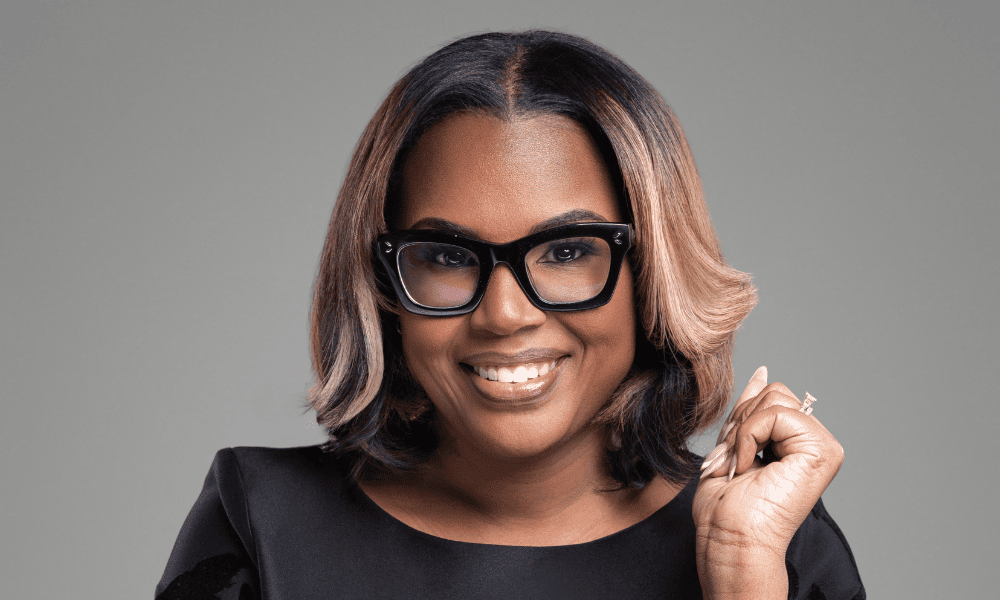
The financial advice industry is bracing for one of the largest generational transfers in its history, with a wave of veteran advisors nearing retirement. Sheena Gray, CEO of the Association of African American Financial Advisors (Quad-A), argues that the industry's approach to succession planning is too narrow. In a recent interview, Gray emphasized that succession is not merely about who inherits client relationships but about who gets the chance to own the firms that serve them.
Gray, a former J.P. Morgan executive who took the helm at Quad-A in 2024, contends that many practice owners confuse succession readiness with talent development. "Succession cannot simply be a conversation about who inherits the clients," she said. "It also has to be a conversation about who has the opportunity to own the businesses serving them." This distinction, she argues, is critical as the industry prepares for a massive wealth transfer.
Start early, treat succession as strategy
Gray warns that waiting until retirement looms is a costly mistake. "Succession should not be treated as an exit strategy," she said. "It should be part of the business strategy from the beginning." She advises advisors to develop future leaders, document key processes, and introduce the next generation to client relationships well before a transition is imminent. Starting early, she notes, creates more options for the owner, protects business value, and reassures clients about the firm's future.
The risk of delay is concentrated value. "If the owner holds the majority of the client relationships, business development and institutional knowledge, the value of the practice becomes much more difficult to transfer," Gray explained. A well-structured plan, she added, protects not just the financial worth but the relationships that underpin it. Client retention is equally at stake, as clients are deciding whether to trust a new advisor with their family's financial history. "The transition should feel like a continuation of the relationship, not a handoff to a stranger," she said.
The ownership gap
Gray highlights a dimension of succession that is rarely discussed openly: access to ownership has been unevenly distributed. Talented younger advisors, particularly Black financial professionals, have often been developed as practitioners without being invited into conversations about equity, valuation, or business ownership. "We have to start teaching advisors not only how to be exceptional practitioners, but how to become owners," she said. That means earlier exposure to how businesses are valued, financed, and acquired, along with transparency about realistic paths to equity.
At Quad-A, this is a pressing concern. "We represent a community of Black financial professionals who have historically had less access to ownership opportunities and generational business wealth," Gray said. With trillions of dollars changing hands, she insists that succession must include a deliberate effort to build a diverse next generation of owners. She suggests that firm owners can consider phased buy-ins, financing arrangements, and gradual equity opportunities rather than assuming the next generation can finance a large acquisition all at once.
According to CFP Board data, Black advisors represent only about 2% of certified financial planners in the U.S. Gray is focused on changing that statistic, and she believes succession planning is a key lever.
What the right successor looks like
Gray pushes back on the assumption that a successor must mirror the founder. "A successor does not need to look like the person who built the practice," she said. "The most important qualities are the ability to build trust, listen, lead, exercise sound judgment and understand the needs of clients and their families." She also urges firms to consider whether future leadership understands the clients they hope to serve tomorrow, not just those of yesterday.
For advisors in their 40s or 50s without a formal plan, Gray advises starting by defining the destination. "You cannot build an effective succession strategy without knowing the destination," she said. Next, identify potential successors and begin developing them now. Finally, reduce the firm's dependence on any one individual by documenting processes, distributing institutional knowledge, and building client relationships across the firm. As the industry navigates this historic transition, Gray's message is clear: succession is an ownership strategy, not just a retirement plan.