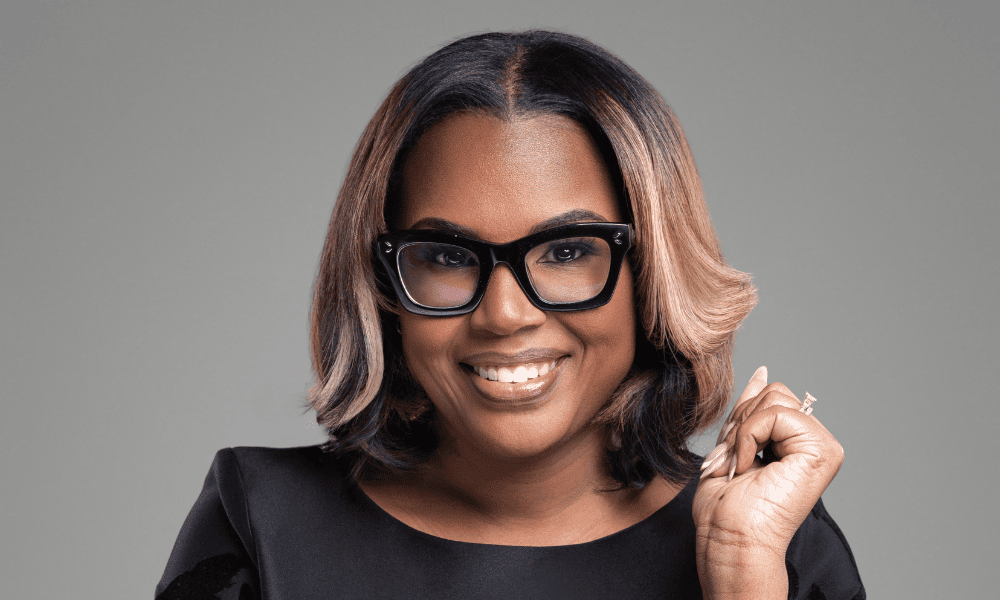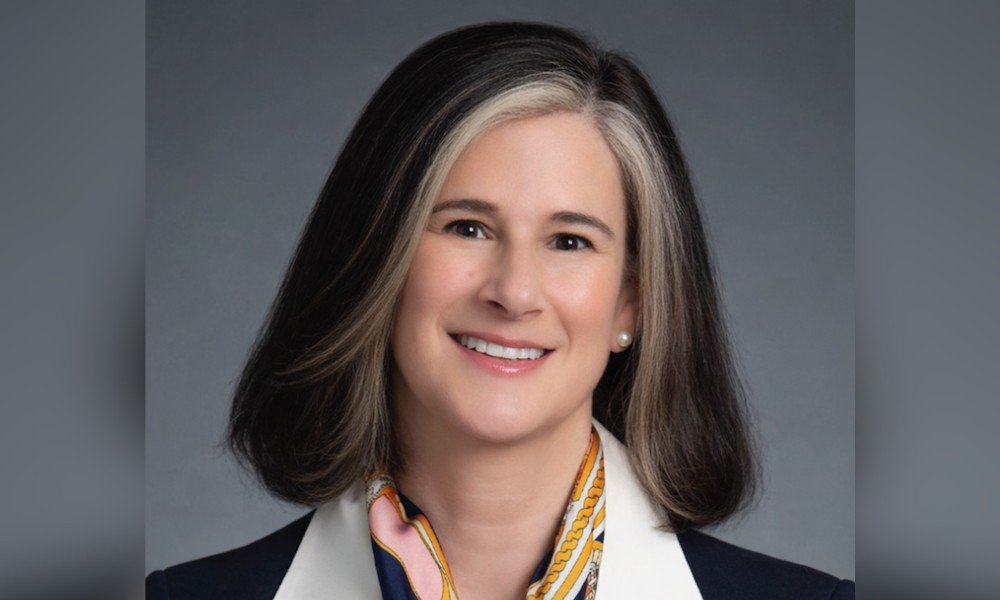
At the upcoming Women Advisor Summit, scheduled for Nov. 5 at 583 Park Avenue in New York City, Liz Miller, president and founder of Summit Place Financial Advisors, will share her playbook for scaling an advisory practice beyond its founding principal. Miller, who was named one of InvestmentNews' 2026 5-Star Financial Planners and served as chair of the CFP Board last year, will participate in a fireside chat titled "Building a Business That Doesn't Need You."
Joining Miller on the panel are Cecilia Williams, chief operating officer of Halbert Hargrove, and managing partners Marcia Kamiak and Michelle Bryant of Premier Planning Partners. The discussion is designed to address a common challenge among solo advisors: how to create a firm that can sustain itself and grow without relying solely on the founder's personal involvement.
In a pre-summit interview, Miller emphasized that the first step is introspection. "At a certain point, most single advisors think about building a team or creating sustainability beyond themselves," she said. "It's important to look inward and understand your own approach to advising and the characteristics you believe define your success." These core value points, she noted, must then be translated into both systems and talent. "To build beyond the one, it starts with planning those key success factors into future talent hires and systematizing service delivery."
Miller outlined several strategies for creating capacity without compromising quality. One approach is adding administrative support, which allows advisors to scale while preserving their unique value proposition. Another is leveraging technology, but she cautioned that technology only works if the firm deeply understands its own data and processes. "Technology can only help to the extent a firm knows its own data and processes well enough to translate them into technology systems," she explained.
A third path is transitioning to a team-based structure, where a lead advisor, a customer service professional, and a junior or associate advisor serve clients collaboratively. Miller noted that firms adopting this model often find that it increases capacity at the lead advisor level, enabling them to take on more clients without sacrificing service quality.
The conversation comes amid broader industry trends around succession and firm longevity. A recent phased succession deal involving a Wisconsin RIA with $145 million in assets underscores the growing interest in structured transitions. Similarly, advisors advise business owners to start succession planning early, a lesson that applies to advisory firm founders as well.
Miller believes that most firms will eventually face the question of sustainability, whether driven by success or longevity. "Whether it is the desire to move away from business management responsibilities or to grow into a leader of many," she said, "this session will provide insight into how others have taken the steps to success."
The Women Advisor Summit, which is backed by Prudential Wealth Advisors, aims to provide actionable insights for female advisors and industry leaders. The event will feature multiple sessions covering practice management, leadership, and client acquisition strategies.
For advisors looking to build a firm that can thrive beyond their own involvement, Miller's advice centers on deliberate planning: codifying success factors, investing in the right talent, and using technology as an enabler rather than a shortcut. As the industry continues to evolve, these principles are likely to become increasingly important for firms of all sizes.