For many wealthy families, the traditional snowbird pattern of wintering in Florida has evolved into a more complex annual migration. Clients now split their time among several residences, with extended stays in the Northeast, Midwest, and abroad. This shift is forcing registered investment advisors to rethink how they deliver service, with many spending more time on the road to maintain face-to-face relationships.
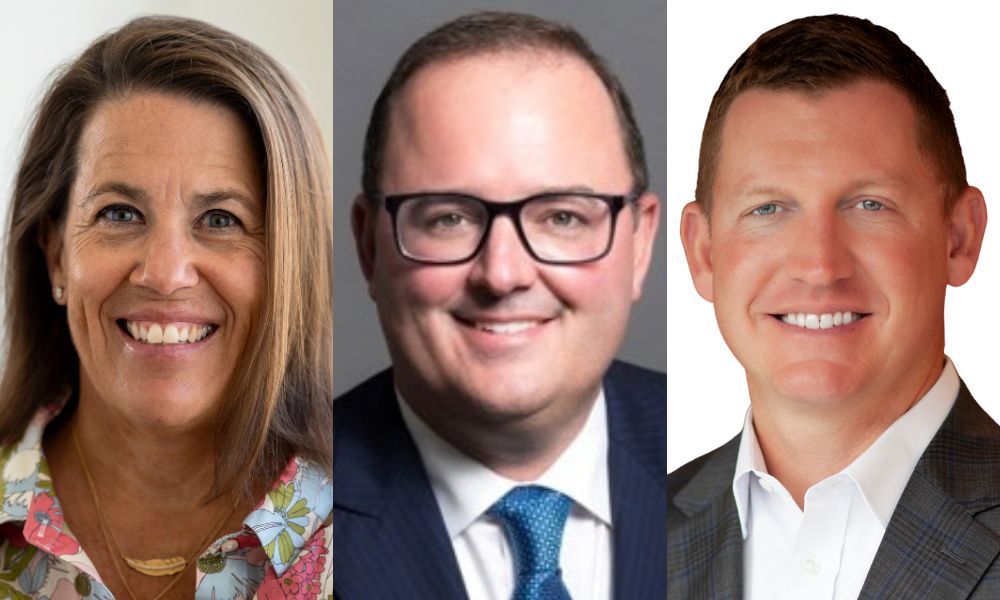
Jason Stephens, founder and managing partner of Evertern Wealth, a multifamily office in Naples, Florida, has observed this change over his 25-year career. Many of his clients spend six or seven months in Florida, summers in the Northeast or Midwest, and several weeks overseas. "Our job is to be available wherever their lives take them," Stephens said. "Technology has made that easier, but we do not believe Zoom replaces personal relationships. We continue to meet clients in person when they are away, particularly for important planning decisions, family meetings, or bringing the next generation into the conversation."
Evertern's summer travel pattern reverses the seasonal flow. Stephens's partner, Mic Lundon, spends four to six weeks each year in Minnesota and Ohio, where he has family and a network of clients. The firm clusters meetings around these trips, coordinating with tax accountants, estate attorneys, and investment bankers to address clients' potential permanent moves. This includes modeling tax consequences and aligning the client's broader advisory team.
The client base is also shifting. "We are seeing a growing number of younger successful business owners and executives move to Florida," Stephens said, citing lifestyle, business opportunities, tax savings, and education as draws. This demand persists even as overall migration cools. Florida added 201,191 residents through domestic and international migration in 2025, down from nearly 599,000 at the 2022 peak, according to Census Bureau estimates analyzed by the University of Florida. Each move raises domicile questions, which remain a planning priority.
Stephens sees office expansion as a natural progression. A few key relationships justify a trip; a larger cluster can support a client event. "Eventually, if you have enough existing relationships, referral activity, and prospective clients in a market, a permanent presence may become the natural next step," he said. "We have found that the best expansion opportunities generally come from following our clients rather than selecting a market on a map."
Helen Andreoli, managing partner of Maine-based Great Diamond Partners, says her firm's snowbird clients receive the same level of service year-round. "Our advisors will spend as much as three weeks in the Sunshine State checking in with clients at their second homes," she said. Video calls fill gaps for immediate needs, but in-person visits remain crucial. The firm has not opened an out-of-state office, but has considered a temporary presence during the first few months of the year to facilitate client visits.
Blake Anderson, managing director at OpenArc Corporate Advisory, notes that many families already divide their time among residences across the country. He travels regularly to Florida, the Carolinas, and California. "Typically, one or two trips a year are enough to conduct reviews, connect with family members, and spend meaningful time together outside the office," he said. "If an in-person meeting is important, we'll get on a plane and be there, regardless of how many clients we serve in that market."
The trend has implications for small-business retirement plans and client disputes, as advisors must stay attuned to clients' changing circumstances. As families become more mobile, the ability to serve them wherever they are—without sacrificing personal connection—is becoming a competitive differentiator.