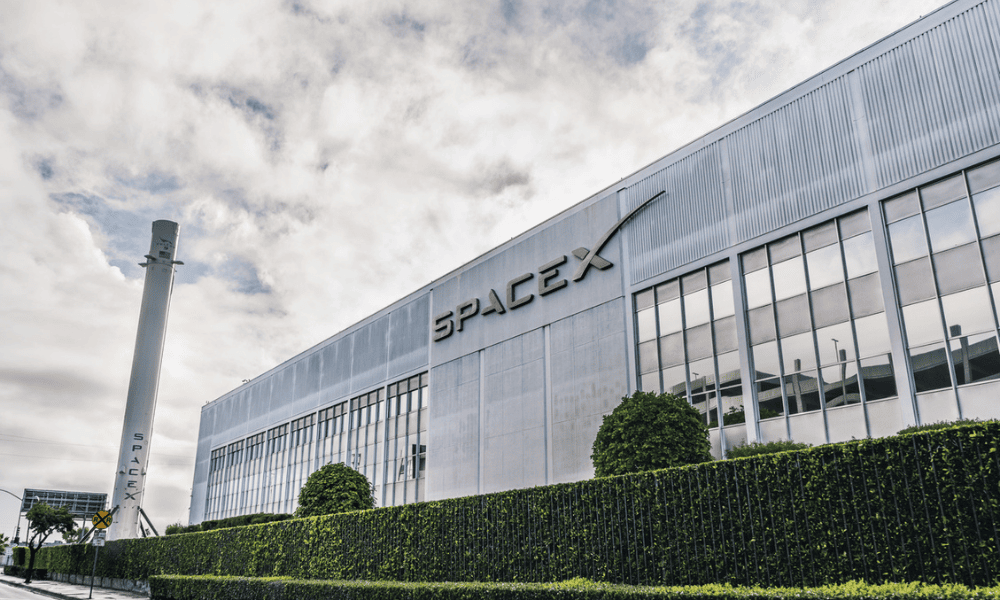
SpaceX experienced a historic single-day market value loss of more than $400 billion on Monday, deepening what has become one of the most severe post-IPO declines on record. The drop, which saw shares fall 16.4% to close at $154.60, ranks as the second-largest one-day market-capitalization loss for any company, according to an FT analysis of Bloomberg data. The stock is now 31.5% below its peak of $225.64 reached on June 16, just days after the company's $86 billion IPO on June 12. At Monday's close, SpaceX's market capitalization stood at $2.03 trillion, down from an intraday high of nearly $3 trillion earlier this month.
The sell-off extended into Tuesday, with shares falling an additional 3% or more in premarket trading, as reported by CNBC. The decline has erased more than $300 billion from Elon Musk's net worth, which fell from an all-time high of $1.45 trillion to just under $1.1 trillion, according to Forbes. Monday's drop alone wiped out more than $152 billion from his estimated wealth. Musk holds a roughly 38% stake in SpaceX, comprising 4.8 billion shares plus 350 million stock options with an exercise price of $8.40 per share.
Rising bond yields have been a central driver of the pressure on SpaceX stock. Two-year Treasury yields climbed 0.05 percentage points on Monday to 4.23%, their highest level in more than a year, as markets priced in a potential Federal Reserve rate increase as soon as September. A further blow came from MSCI, which awarded SpaceX a CCC rating, its lowest on a seven-tier sustainability scale, declaring the company was “lagging its industry” due to its exposure to and handling of significant ESG risks. This downgrade adds to the headwinds facing the company, which is also grappling with broader market volatility.
Despite the rout, SpaceX moved ahead with plans to raise fresh capital through debt markets. The company launched an inaugural senior unsecured notes offering on Monday, disclosing it held $100.8 billion in cash and cash equivalents as of June 19. According to CNBC, sources familiar with the matter indicated SpaceX is aiming to raise $20 billion, with the sale expected to begin as early as Tuesday. Proceeds will be directed toward repaying a $20 billion bridge loan taken out in March when Musk folded his debt-laden AI venture xAI, along with social media platform X, into the rocket company.
On Monday, SpaceX also announced a computing resources agreement with AI startup Reflection, granting the company access to Musk's Colossus 2 data center infrastructure. Similar arrangements have been struck with Anthropic and Google parent Alphabet in recent months, positioning SpaceX as a compute-leasing operation in the style of CoreWeave. This diversification comes as the company faces scrutiny over its core business and governance.
The compensation arrangement for Musk, buried in SpaceX's IPO prospectus filed last month, adds another layer of complexity. Musk stands to receive one billion additional SpaceX shares, worth hundreds of billions at current valuations, if he manages to settle a million humans on Mars. The arrangement also requires the company to hit 15 market cap milestones reaching $7.5 trillion. The timeline to put any humans on Mars remains vague; prediction markets put the odds of humans reaching Mars by 2030 at under 20%, and the prospectus itself acknowledges key technologies don't yet exist. Musk must also still be CEO when any colony is certified.
For financial advisors, the volatility in SpaceX shares underscores the risks of concentrated positions in high-growth names. The dramatic post-IPO reversal, combined with the company's reliance on Musk's vision and the uncertain timeline for key milestones, presents challenges for portfolio construction. As the company navigates rising rates, ESG concerns, and its own ambitious plans, advisors may want to monitor developments closely. For more on related portfolio concentration risks, see our earlier coverage of SpaceX-Tesla merger speculation.