SpaceX's third-quarter earnings, released Wednesday, have given financial advisors and their clients a fresh set of catalysts to monitor, as the company's AI-focused segment now accounts for more than half of total revenue. The aerospace and AI company reported revenue of $14.6 billion for the quarter, a 161% jump from the same period last year, according to IBES data. Net income swung to $4.4 billion from a loss of $1.1 billion a year earlier, and adjusted earnings per share came in at 45 cents, well above the 13-cent consensus estimate.
The results mark only the second quarterly report since SpaceX's historic public debut in June, which was the largest initial public offering on record. The company's stock surged more than 9% on Wednesday, outpacing the S&P 500's 0.6% gain, as investors digested the earnings beat and comments from CEO Elon Musk about a possible merger with Tesla.
Paul Kim, CEO and co-founder of Simplify Asset Management, said at his firm's Entering The Fall event at the New York Stock Exchange that SpaceX is "starting to deliver on the potential," adding that "it has gone from a pure hype story to suddenly delivering on results." Kim noted that "Elon has been a tough guy to bet against and days like yesterday are why."
The standout performer was the Super Intelligence (SI) segment, which grew more than 800% to $7.6 billion in the quarter, representing over half of group revenue. Will Rhind, founder and CEO of GraniteShares, which offers the 2x Long SpaceX Daily ETF (ticker: SPAL), said the growth indicates that "compute contracts signed earlier this year are turning into revenue faster than a lot of people thought." Investors using that ETF to position for the results will see the beat as confirmation that the AI conversion story is gaining momentum, he added.
During the earnings call, Musk also addressed the possibility of a merger between SpaceX and Tesla, though he stressed that no deal is imminent. Andrew Chanin, CEO of ProcureAM, issuer of the Procure Space ETF (ticker: UFO), highlighted the ambitious tone of the call, noting themes such as "growth in revenues and capabilities, strong compute demand, a vision for competing with mobile wireless providers, and vertical integration." He added, "There is no Tesla merger that is imminent, but it is being explored."
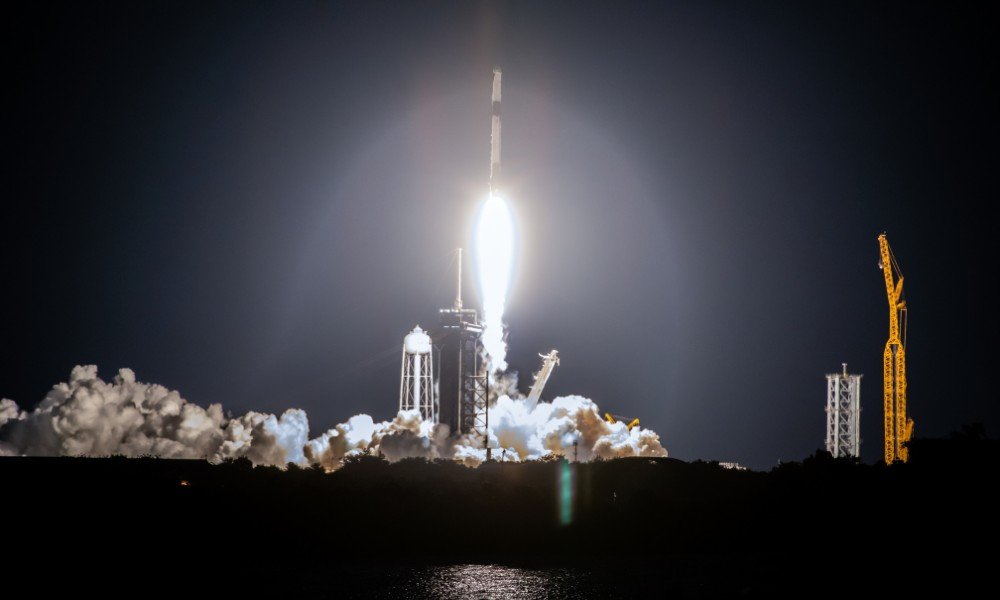
Musk also confirmed that the 15th test launch of the Starship mega-rocket will occur next month. For the first time, SpaceX plans to catch both the Super Heavy booster and the Starship orbital vehicle, according to Teslarati. A successful launch could solidify SpaceX's leadership in the launch market, Chanin said, and its ability to vertically integrate could further differentiate it from competitors across multiple business lines.
For advisors, the key takeaway is that SpaceX's AI-driven revenue growth is accelerating faster than expected, but the stock's valuation and the potential for a Tesla merger introduce additional volatility. As late-stage private investing becomes more accessible, advisors should weigh the risks and opportunities. The company's compute contracts, signed earlier this year, are now translating into revenue, but the sustainability of that growth and the outcome of the Starship test remain open questions.
Investors should also keep an eye on regulatory and legal developments. A recent SEC suit involving misuse of funds from SpaceX and OpenAI investors highlights the need for due diligence in this space. Additionally, the potential for a Tesla merger could have implications for both companies' shareholders, though Musk has not provided a timeline.
As SpaceX continues to expand its AI capabilities and prepare for the Starship launch, advisors should monitor these catalysts closely. The company's ability to execute on its ambitious plans will likely determine whether the stock can sustain its momentum. For now, the market is betting on continued growth, but the risks are real.



