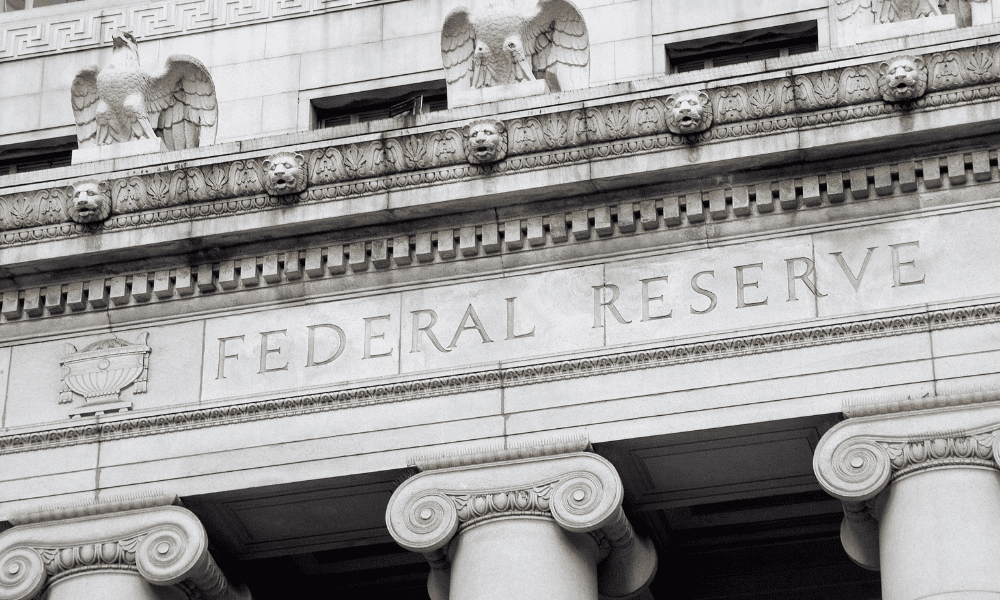
The Supreme Court on Monday blocked President Donald Trump's attempt to remove Federal Reserve Governor Lisa Cook, a procedural victory that reinforces the central bank's institutional independence. The 5-4 decision, written by Chief Justice John Roberts, allows Cook to remain on the board while her lawsuit challenging the firing continues in lower courts. No president had previously sought to dismiss a sitting Fed governor in the institution's 111-year history.
The ruling sidestepped the core constitutional question of whether Trump holds the authority to fire a Fed governor. Instead, the majority rejected the administration's bid to pause a lower court order that prevented Cook's termination. Roberts grounded the decision in the Federal Reserve's structural design, writing that "not only the fact of independence but also the appearance of independence is key to the Federal Reserve's design." He noted that any future removal attempt would require additional procedural steps, including a formal explanation of charges and an opportunity for Cook to respond.
Justice Brett Kavanaugh, who joined the majority, warned of the economic fallout from ousting a Fed governor without due process. "Even temporary uncertainty about the status of the Federal Reserve could spark political upheaval, including confusion about whether the President could immediately remove multiple Governors at will, as well as turmoil in the U.S. and world economies," Kavanaugh wrote in a concurring opinion. The four remaining conservative justices dissented.
Trump had sought to fire Cook based on allegations of mortgage fraud raised by a Trump-appointed official, which Cook denied. She argued the real motive was her refusal to support the interest rate cuts Trump demanded during the first nine months of his second term. In a statement, Cook said, "This was never about mortgage documents signed years before I became a Federal Reserve governor. It was an attempt to remove me on a manufactured pretext because I refused to bow to political pressure." Cook, a Biden appointee and the first Black woman on the Fed's Board of Governors, called the ruling "a victory for the rule of law."
The decision comes amid sustained pressure on the Fed. Former Chair Jerome Powell had resisted Trump's calls for rate cuts, warning that politicizing the central bank erodes public confidence. In January, Powell revealed a Department of Justice criminal investigation into the $2.5 billion renovation of the Fed's office buildings, which the administration called "grossly mismanaged." Powell argued the probe was retaliation for the Fed's independent rate-setting. The DOJ abandoned the investigation in April, with D.C. U.S. Attorney Jeanine Pirro referring the matter to the Fed's internal watchdog.
Trump vowed to continue the fight, posting on Truth Social that the ruling was "on a strictly procedural basis" and that his administration would "take appropriate action immediately." The case tests the limits of presidential power over independent agencies, a issue that has also surfaced in other contexts, such as the Supreme Court's recent decision stripping activist investors of a key legal tool.
The Fed's independence remains a central concern for markets. Kevin Warsh, Trump's nominee to succeed Powell, faced his first test this month when the Fed under his leadership unanimously held rates steady at 3.5% to 3.75%, reassuring investors that he would not bow to political pressure. The ruling also highlights broader governance debates, as seen in the Delaware Chancery Court's recent split decision on shareholder pay challenges.
For financial advisors, the decision underscores the importance of regulatory stability. The Fed's ability to set monetary policy without interference is critical for long-term planning, especially as the Trump accounts hit 6 million enrollees and the wealth gap persists. The legal fight over Cook's removal is far from over, but for now, the central bank's independence remains intact.