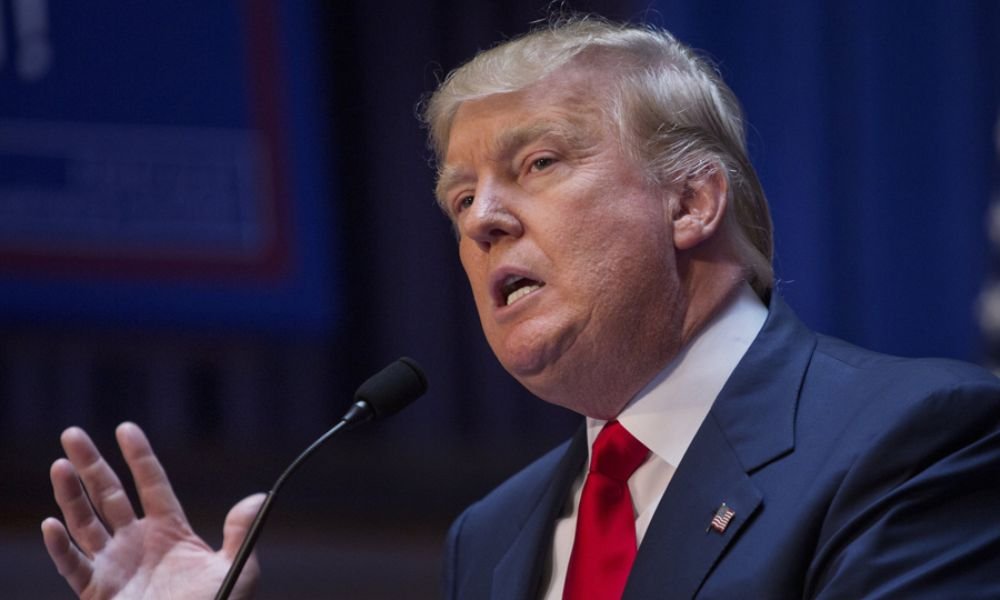
President Trump has dismissed Iran's response to a US peace proposal aimed at ending hostilities and restoring commercial shipping through the Strait of Hormuz, according to the New York Times. Trump described Tehran's reply as “TOTALLY UNACCEPTABLE,” marking a significant setback in diplomatic efforts to stabilize the critical waterway.
The Strait of Hormuz handles approximately 20% of global oil shipments, making its security a focal point for energy markets. The failed negotiations have heightened investor concerns, as prolonged disruption could sustain upward pressure on energy prices and reignite inflation pressures, according to the Financial Times.
Iran's counteroffer reportedly included demands for sanctions relief, compensation for war damage, access to frozen funds, and recognition of its authority over the Strait before engaging in broader nuclear discussions. The Trump administration had sought an agreement to allow safe commercial shipping while creating a path toward renewed nuclear negotiations, but Trump's rejection suggests those efforts have stalled.
Oil prices moved higher as markets weighed the possibility of continued disruptions to tanker traffic, CNBC reported. Sustained increases in crude prices could affect inflation expectations, monetary policy, and the performance of sectors tied to transportation and consumer spending. The renewed tensions add another source of uncertainty to an already fragile market environment.
Higher energy costs can pressure household budgets, reduce corporate margins, and complicate the Federal Reserve's path on interest rates. The diplomatic setback also comes ahead of expected discussions between Trump and Chinese President Xi Jinping, where the conflict and its economic consequences are likely to be discussed, according to reports.
For financial advisors, the situation underscores the importance of monitoring geopolitical risks that can ripple through portfolios. While small-cap optimism persists among advisors despite geopolitical headwinds, the broader market remains sensitive to energy price shocks. Additionally, the recent Federal Trade Court striking down Trump's 10% global tariffs highlights the ongoing legal and policy volatility that advisors must navigate.
As the situation evolves, advisors should consider the potential for further energy-driven inflation and its implications for asset allocation and client communication. The intersection of geopolitics and markets remains a key theme for the weeks ahead.