The NBA's 2026-27 season tipped off with 125 international players from 43 countries on opening-night rosters, marking the sixth straight year the league has exceeded 120. For wealth managers, that statistic is more than a basketball footnote—it signals a client base that is increasingly globalized, arriving in the U.S. with financial lives already built elsewhere.
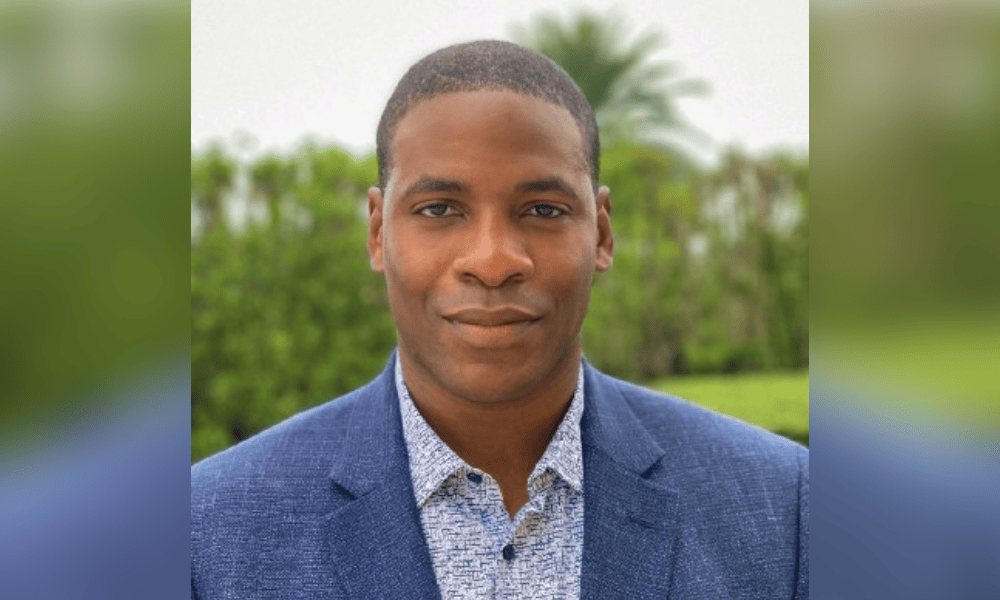
Wale Ogunleye, head of sports and entertainment at UBS Global Wealth Management in New York, told InvestmentNews that the profile of international athlete clients has shifted. Where once they came to the U.S. early in their careers with most of their wealth and financial needs concentrated domestically, many now arrive with businesses, investment portfolios, trusted advisors, and banking relationships established in their home countries.
"What's changing is that we're increasingly meeting athletes who already have a financial life established across several countries—not just a playing contract in the U.S.," Ogunleye said. "The advisor must understand the whole person and the whole financial picture, rather than lead with a product or a U.S. account." Ogunleye, a former Pro Bowl defensive end with the Chicago Bears, joined UBS in 2019 and now leads the firm's Athletes and Entertainers Strategic Client Segment across the U.S.
Onboarding is where advisors lose the plot
The first window with a new international athlete client is where many advisors make their most consequential mistake, Ogunleye noted: treating onboarding as an account-opening exercise rather than the beginning of a long-term relationship. "It starts with listening and understanding what's already in place," he said. "Who are their banking partners and advisors? Where are their assets and businesses? What currencies do they use, what does their family need, and what are their immediate priorities as they move to the U.S.?"
Cross-border onboarding is operationally complex. International players may have domestic banking relationships that cannot be used in the U.S., assets denominated in foreign currencies, and regulatory requirements that vary by jurisdiction. Advisors who skip the diagnostic phase and jump straight to opening accounts and pitching products risk building a relationship on a foundation that doesn't reflect the client's actual situation.
UBS's U.S. athletes and entertainers group has earned approval from the NFL Players Association to work with current and retired players, joining Goldman Sachs, Bessemer Trust, Morgan Stanley, and Bernstein Private Wealth in a program the NFLPA has expanded to include firms alongside individual advisors. That institutional validation underscores the growing formalization of athlete wealth management as a distinct discipline, rewarding firms that invest in coordination rather than convenience.
The entrepreneur athlete changes the conversation
The complexity compounds as more international players arrive not just as contract earners, but as entrepreneurs. Endorsement deals, brand partnerships, ownership stakes, and investment portfolios have become standard components of a modern athlete's financial life—and each one raises the stakes for advisors who fail to see the full picture. "We're not just talking about a playing contract," Ogunleye said. "We're talking about someone who may also be a founder, investor or brand owner. Their personal wealth and business interests are connected, and the advice needs to reflect that."
For UBS, that intersection of personal wealth and business advisory is a deliberate differentiator. The firm draws on capabilities across its Wealth Management, Investment Bank, and Asset Management divisions to serve clients whose financial needs have outgrown what a single advisor—or a single product set—can address. Ogunleye also emphasized the importance of working closely alongside agents, business managers, and existing advisors rather than displacing them.
Ogunleye's own NFL career shapes how he trains and coaches advisors within UBS. The experience of navigating finances as a professional athlete—often without adequate guidance—has become central to how he thinks about what good advice looks like for this client segment. "Start with the person, not the transaction," he said. "For an international athlete, that means listening to what matters to them: their family, the relationships they already trust, what they want to build and what life might look like after their career."
UBS uses what it calls a Liquidity, Longevity and Legacy framework to structure those conversations—organizing advice around immediate financial needs, long-term planning, and the impact a client wants to leave. For international athletes whose career timelines are compressed and whose financial decisions cross multiple currencies and legal systems, that structure gives advisors a way to bring discipline to what can otherwise become an unwieldy set of competing priorities.
The NBA's growing international footprint will only push more of these clients toward U.S.-based advisors in the years ahead. Those advisors who understand that the relationship begins long before the first account is opened—and extends well beyond U.S. borders—will be best positioned to serve them. For more on how firms are adapting, see Wealthspire's new sports unit and Edward Jones's NIL-era deals.