Early returns on Tuesday night showed California's Proposition 40, a proposed billionaire wealth tax, trailing by a 57% to 43% margin, according to the Associated Press. The measure, which would have imposed a one-time 5% tax on net worth for residents with at least $1 billion as of January 1, 2026, faced strong opposition and two competing ballot initiatives that could nullify it. While the outcome remains uncalled, the planning questions it raised are unlikely to fade.
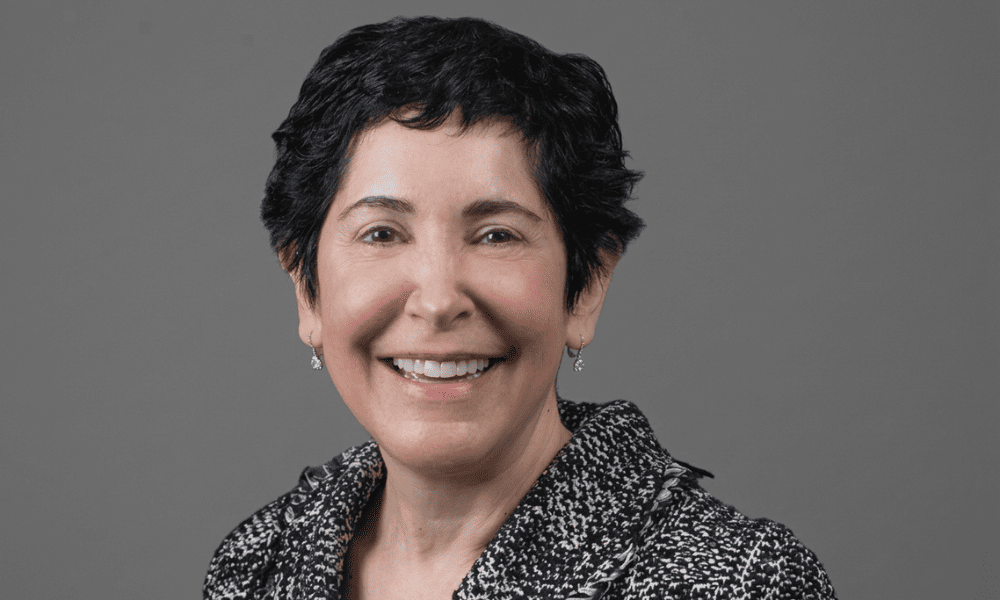
Debra Taylor, managing partner and chief tax strategist at Carson Wealth, said the debate has already shifted client conversations. "Prop 40 has moved residency from a footnote to a front-burner planning conversation," she said. "Even clients nowhere near $1 billion are wondering how this policy may affect them." Business owners, in particular, are reassessing where they live, base their companies, and hire, while clients in other high-tax states watch closely.
Taylor cautioned against viewing relocation as a simple escape. "A move today would not change their exposure to Prop 40, which looks back to who lived in California on January 1, 2026," she noted. "What a move can affect is how they are taxed going forward." Advisors should ground these discussions in the full picture of taxes, family ties, business connections, and quality of life.
The compliance burden of Prop 40 would have extended well beyond billionaires. Taylor pointed out that the certification requirement applies to every California resident filing a return, regardless of net worth, and is signed under penalty of perjury. The measure also extended the assessment window to 10 years, rather than the usual four, for the 2026 tax year, though it's unclear if that applies to all filers. She advised California clients to keep 2026 records well into the next decade.
Valuation of private businesses posed another challenge. Prop 40 set a default formula based on book value plus a multiple of average profits, largely disallowing discounts for minority or illiquid stakes. "That formula can produce a number well above what the business would actually sell for," Taylor said. The alternative, a certified appraisal, is costly and exposes appraisers to personal penalties. Timing also matters, as net worth would be measured on a single day—December 31, 2026—and illiquid holdings can fluctuate significantly.
Liquidity stress tests are essential for asset-rich, cash-poor households. Selling shares to cover the tax could trigger federal and state capital gains, forcing founders to sell even more stock. Taylor emphasized the need for advisors to model these scenarios and prepare clients for potential cash crunches.
Beyond California, the idea of state-level wealth taxes is likely to persist. Taylor pointed to the One Big Beautiful Bill Act, which the Congressional Budget Office estimates will cut federal Medicaid spending by $911 billion over a decade, and new SNAP cost-sharing rules that shift expenses to states. "Every state will have to decide how to respond, whether by raising revenue, cutting spending, or narrowing eligibility," she said.
The California Legislative Analyst's Office projected tens of billions in temporary revenue but also a possible ongoing decrease of less than $1 billion per year in income tax from billionaires. A Stanford analysis suggested the tax could actually shrink state revenue. If Prop 40 had passed, legal challenges over retroactivity and due process were likely. Internationally, of 12 OECD countries with annual wealth taxes in 1990, only Norway, Spain, and Switzerland still levy them.
For now, Taylor advises advisors to document residency thoroughly, review business valuations, and run liquidity stress tests. "For now, advisors should document residency for clients," she said, urging proactive preparation rather than waiting for election results. The debate has already reshaped planning conversations, and the lessons will endure regardless of the final vote.