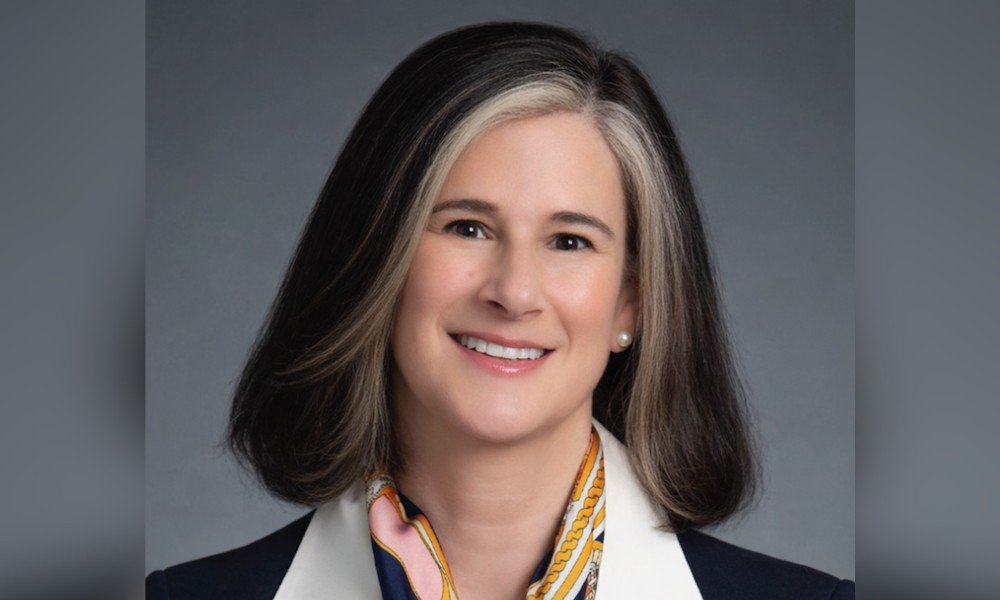
When a client loses a spouse, the immediate collision of grief and financial pressure can paralyze decision-making. For advisors, the first weeks are less about portfolio rebalancing and more about providing steady, empathetic guidance. Dawn Dupré, managing director at The Dupré Keating Group of Janney Montgomery Scott, emphasizes that advisors should focus on immediate needs such as cash access, bill payment, and understanding income sources. “When clients are grieving, reassurance and prioritization are often more valuable than a long checklist of financial tasks,” she says.
Research underscores the scale of the challenge. Data released this month by the Life Insurance Marketing and Research Association, citing Cerulli Associates’ January 2025 report, notes that of $124 trillion expected to change hands through 2048, $54 trillion will first pass through inter-spousal transfers. More than 95% of that sum will go to women. For advisors, this represents a critical retention and referral opportunity, as discussed in Guiding Widowed Clients Through Financial Grief: A Step-by-Step Approach.
Separating Urgent from Important
One of the most critical skills an advisor can demonstrate after a client’s spouse dies is distinguishing between truly time-sensitive tasks and those that merely feel urgent. Obtaining death certificates, coordinating with estate attorneys and accountants, updating account registrations, and reviewing beneficiary designations require prompt attention. But not every financial decision needs to be made at once. Dupré describes the advisor’s role as a quarterback: coordinating with estate attorneys, CPAs, and other professionals while helping the client focus on one step at a time.
George Burnette, director of philanthropic consulting and wealth at Callan Family Office, agrees. He emphasizes that immediate priorities typically include addressing time-sensitive personal matters, ensuring household bills continue to be paid, and maintaining liquidity. Larger decisions—updating estate documents, revisiting beneficiary designations, and evaluating longer-term tax planning strategies—can generally be deferred. “In practice, many clients respond better to shorter, more frequent meetings rather than lengthy, comprehensive sessions,” Burnette says. He also recommends beginning each meeting with a personal check-in before raising financial matters, and encouraging clients to bring a trusted family member or friend for support.
Leading with Empathy Before Strategy
Jamie Carroll, a wealth advisor at Ballast Rock Private Wealth, frames her approach around protecting the client rather than accelerating the planning process. While she acknowledges that certain items—beneficiary updates, estate settlement considerations, and tax planning opportunities—require timely attention, she deliberately postpones larger lifestyle and investment decisions until the client has had sufficient time to process their loss. “I try to frame these conversations around protecting the client rather than creating more work for them,” Carroll says. Giving clients explicit permission not to have all the answers immediately can itself be a meaningful form of support.
This empathetic approach aligns with broader industry trends. As noted in Bucketing and Private Markets: How Advisors Keep Clients Steady Through Volatility, advisors are increasingly using structured frameworks to manage client emotions during turbulent times.
Building Long-Term Confidence
The transition from managing immediate financial concerns to rebuilding long-term confidence is gradual. Dupré notes that many widowed individuals are making a significant shift—from managing finances jointly as a couple to taking on full responsibility alone. That transition requires more than technical guidance. “Financial planning becomes most powerful when it helps clients regain confidence in their own decision-making and understand that their resources can support the life they want to build moving forward,” she says.
Burnette echoes that sentiment, noting that trust, empathy, and patience are often as important as technical expertise in these engagements. For advisors seeking to build deeper relationships with clients facing life transitions, this period represents one of the most meaningful opportunities to demonstrate value. Carroll describes the outcome she aims for as one where fear is gradually replaced with confidence—where the client feels empowered to make decisions, maintain their lifestyle, and support the people and causes they care about. “The goal is not simply to manage assets; it’s to help clients feel empowered to make decisions, maintain their lifestyle, support the people and causes they care about, and move forward knowing they have a trusted team walking alongside them,” she says.
Advisors looking to refine their approach can also explore strategies from Pre-IPO Equity Strategies: Compound Planning's Tara Shulman on Tender Offers, Concentration Risk, and the First 100 Days for handling concentrated wealth transitions.