Nearly four in ten American parents expect to go into debt to cover back-to-school expenses this year, according to a survey of 2,000 U.S. parents of school-aged children conducted July 20–27, 2026 by Talker Research on behalf of Beyond Finance. The survey found that 70% of parents feel pressure to match the clothing, technology, and supplies purchased by other families, and 61% have bought items specifically to prevent their child from feeling excluded.
Among those planning to borrow, 15% intend to use personal or payday loans, and 8% admitted they have gambled to cover costs. The emotional toll is significant: 74% of respondents said they would feel guilty if they couldn't buy everything their child wanted, and 69% said they would feel like a failure. However, 42% of those who gave in to social pressure later regretted the purchase.
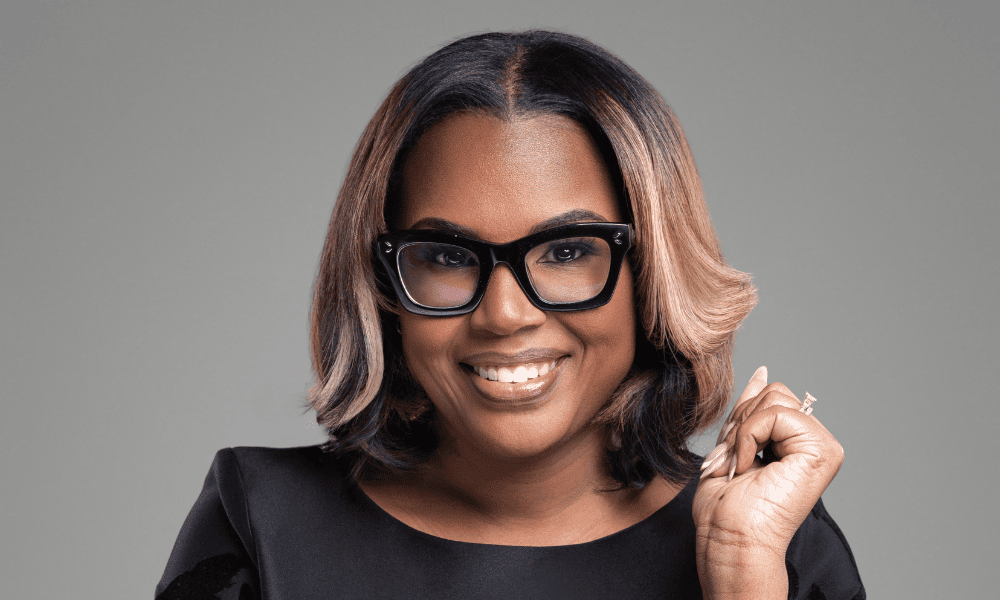
Dr. Erika Rasure, Chief Financial Wellness Advisor at Beyond Finance and a Certified Financial Therapist, noted that "comparison can quietly become one of the most expensive parts of back-to-school season." The survey also revealed that 23% of parents delayed saving for the future to cover school costs, 20% delayed paying down existing debt, and 15% pushed back rent or mortgage payments.
Rising prices amplify the strain
A separate KPMG Consumer Pulse Back-to-School 2026 Survey, which polled 2,297 U.S. consumers in May and June, found that families expect to spend an average of $252 per child this season—a 6% increase from 2025. Nearly 80% of parents attributed the rise to higher prices for the same items, not to buying more. "Families are paying more this back-to-school season, but they aren't getting more," said Duleep Rodrigo, KPMG's U.S. Consumer, Retail & Hospitality Leader.
Broader cost-of-living pressures are also affecting budgets: 83% of families expect to spend more on groceries, 77% on gas and car maintenance, and 52% on prescription drugs. Half plan to dine out less, and 48% say they will shift to simpler weekday meals to compensate.
Value-seeking at the register but spending still climbs
A third survey, from the International Council of Shopping Centers, found that average back-to-school spending this season is expected to reach $944 per household, a slight increase year-over-year, despite widespread concern about affordability. Among parents only, the average is approximately $820, up about $100 from 2025. The poll of 1,009 U.S. respondents conducted July 6–8, 2026, found that 54% are worried about affording everything their family needs this season, but most are still spending.
Sixty-three percent favor discount stores, 57% shopped early promotional events in June, including Amazon Prime Day and Walmart Deals, and 91% say they spent or plan to spend in physical stores. However, 97% of households earning between $25,000 and $75,000 annually say rising prices are affecting their purchasing decisions, compared to 87% of those earning over $250,000. Among the lowest-income shoppers, 38% identify as "value seekers," actively limiting spending and hunting for deals, versus 20% of the highest earners.
For financial advisors, these findings underscore the growing financial strain on clients with school-age children. As families juggle rising costs and social pressures, advisors may need to help clients prioritize spending and avoid debt. The data also aligns with broader trends in consumer financial stress, as highlighted in workplace financial stress and consumers prioritizing financial protection.