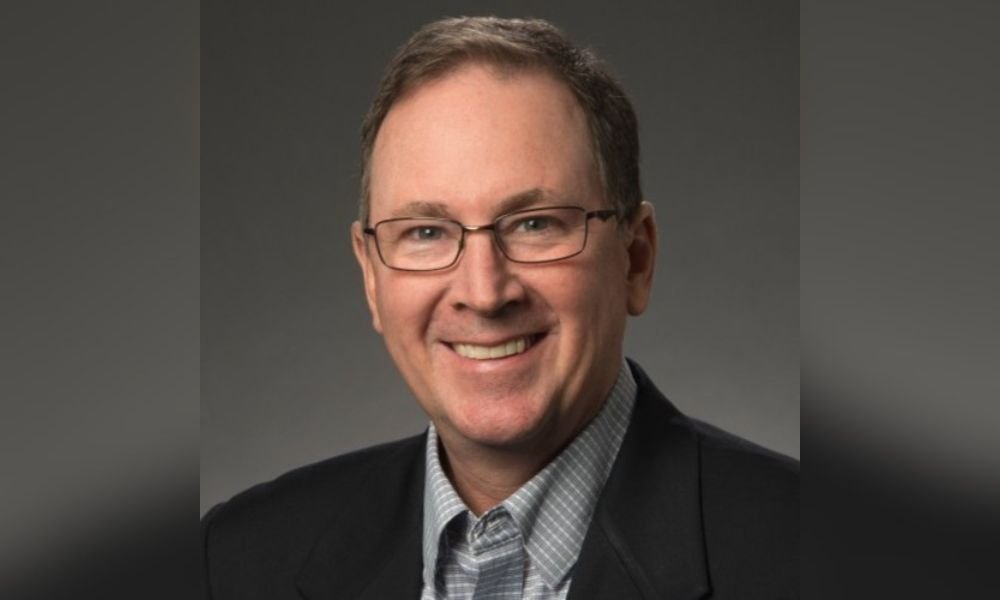
The growing dominance of passive investing is undermining the price discovery mechanism essential to healthy capital markets, according to Dave Choate, chief operating officer of Dallas-based broker-dealer CAPIS. In a recent interview, Choate argued that without active buyers and sellers engaging in price discovery, public markets become less attractive to high-growth companies, which increasingly turn to private markets for capital.
“Healthy capital markets require buyers and sellers to be actively engaged in the price discovery process,” Choate said. “Without this price discovery function, our capital markets quickly become unattractive to high-growth companies. Capital must be allocated by merit, not simply by index weighting.”
Choate noted that while institutional investors may perceive these structural shifts, retail investors often remain unaware of the erosion. “Unfortunately, it is hard for retail investors to see the underlying impact of passive investing on price discovery,” he said. “You may simply have to accept the fact that you can’t have price discovery without someone willing to take a contrary position. If 100% of the assets are passive, every participant will tend to be on the same side and have no price-related viewpoint.”
He contends the market has already crossed a critical threshold. “As evidenced by the dramatic growth of private equity over the past 20 years (3x growth since 2008), we are past the tipping point,” Choate said. “High-growth companies are already gravitating towards private markets where capital continues to be allocated by merit. If we remain on this path, the public markets will only be attractive to low-growth companies willing to accept capital allocation by weighting.”
For long-term investors, the consequences are significant. “The continued growth of passive investing creates risk by the flattening of returns and the weakening of our public markets,” Choate warned. “If we do not take action to make our public markets more attractive to high growth companies, public market returns will be driven by index fund cash flows allocated to low-growth companies.”
Choate also pointed to regulatory and structural factors reinforcing passive trends. “While well-meaning, Reg BI creates an environment whereby active management strategies have become difficult to recommend because of higher fee structures and the potential to underperform the index,” he said. “To avoid possible liability, advisors routinely default to index funds.” He added that tax advantages for ETFs, such as in-kind transfers, further tilt the balance away from active mutual funds.
To counter these trends, Choate urged advisors and investors to engage with policymakers. “Advisors and investors need to speak with regulators and legislators about the issues impacting public markets,” he said. “Educating the policy makers is key to enacting meaningful change.” He also recommended seeking active management strategies and proposed reforms including softening listing regulations for smaller companies and leveling the tax treatment between mutual funds and ETFs.
Choate rejected the idea of simply expanding retail access to private markets. “No, opening up the private markets to individual investors is absolutely the wrong path,” he said. “These markets are often accessed at high fees (2% of AUM is not uncommon) and valuation is extremely subjective.” Instead, he called for federal regulatory changes to provide a safe harbor for advisors recommending active strategies.
For advisors, the implications are clear. As firms focus on durability over scale, the shift toward passive may require a reassessment of portfolio construction. Similarly, Stifel CEO Kruszewski’s caution on AI judgment echoes the need for human-led decision-making in active management. Choate’s warnings underscore a broader challenge for advisors navigating an increasingly passive landscape.