Financial fraud has become a pervasive concern for American households, with a new survey from the CFP Board indicating that 62% of respondents have either personally experienced fraud or know someone who has in the past three years. The survey, which polled 1,218 U.S. adults, also found that 55% expect themselves, a family member, or a close friend to be targeted within the next 12 months. Despite this widespread exposure, only 37% of respondents expressed confidence in their ability to identify every form of financial fraud, while 29% admitted they are unsure they could detect a scam before it is too late.
The findings underscore a growing disconnect between awareness and preparedness, particularly as scammers increasingly deploy sophisticated tools such as artificial intelligence, deepfake videos, and highly personalized phishing campaigns. Americans reported the highest confidence in spotting traditional phone and email scams, with 71% saying they could identify those attempts. However, confidence dropped sharply when respondents were asked about AI-generated voice impersonations, deepfake video calls, and messages that incorporate personal details like real names or account information.
One of the most striking results was the generational divide in fraud exposure and confidence. Respondents aged 45 and under were significantly more confident in their ability to recognize digital fraud compared to older adults. Yet, they reported losing money to fraud at a higher rate—32% versus 20% for those over 45. Younger Americans were also more likely to encounter investment fraud, with 29% reporting such incidents, compared to just 14% among older respondents. This paradox suggests that confidence does not necessarily translate to effective prevention.
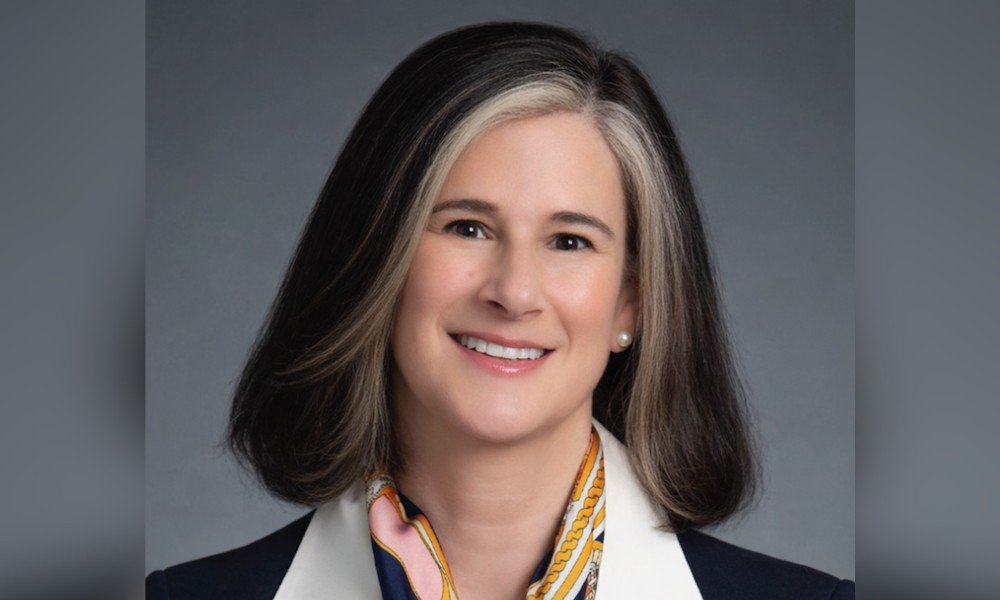
“Financial fraud is a direct threat to Americans’ financial security, and spotting a scam is not the same as being prepared to stop one,” said K. Dane Snowden, CEO of CFP Board. “Our research suggests many people may be more vulnerable than they realize – and fraud does its damage in that gap.” The survey highlights that even as fraud becomes more common, many individuals remain uncertain about how to respond after falling victim.
Among those who experienced fraud, one-third never contacted a bank, law enforcement, or government authority. The most common reasons for staying silent included not knowing whom to contact, believing the loss was too small to report, or fearing retribution from the scammer. One-quarter of victims cited embarrassment or shame as a barrier to reporting. These findings align with broader industry concerns about underreporting, which can hinder efforts to track and combat fraud.
The survey’s results come amid a wave of high-profile fraud cases that have captured the attention of financial advisors and regulators. For instance, the recent conviction of Citron Research founder Andrew Left on 13 counts in a securities fraud case highlights the ongoing risks in investment markets. Similarly, the SEC’s allegations of a $26 million fraud by Reign Financial and Berone Capital, involving funds spent on luxury cars and sports tickets, underscore the need for vigilance. Advisors may find parallels in the UHNW Families Spend Heavily on Estate Security but Neglect Governance, Survey Finds report, which notes that even wealthy families often overlook critical safeguards.
For financial advisors, the CFP Board survey offers actionable insights. The data suggests that clients, particularly younger ones, may overestimate their ability to spot scams, leaving them vulnerable to sophisticated schemes. Advisors can play a key role in educating clients about emerging threats, such as AI-driven fraud, and encouraging them to report incidents promptly. The survey also reinforces the importance of integrating fraud prevention into broader financial planning discussions, as highlighted in Vanguard Research: Retirees Need Income Strategy, Not Just Savings Target, which emphasizes the need for comprehensive strategies.
As fraud tactics evolve, the gap between awareness and action remains a critical challenge. The CFP Board’s findings serve as a reminder that confidence alone is not enough—clients need concrete tools and support to protect their financial well-being. Advisors who address this gap can strengthen client relationships and help mitigate the growing threat of financial fraud.