The Certified Financial Planner exam drew a record 3,621 candidates in its July 2025 sitting, according to CFP Board data released Tuesday. The exam, administered during a July 14–21 window, produced a 66% pass rate, marking the largest July cohort in the credential's history. The surge comes as CFP professionals continue to out-earn their non-certified peers and as the board tightens continuing education and experience requirements.
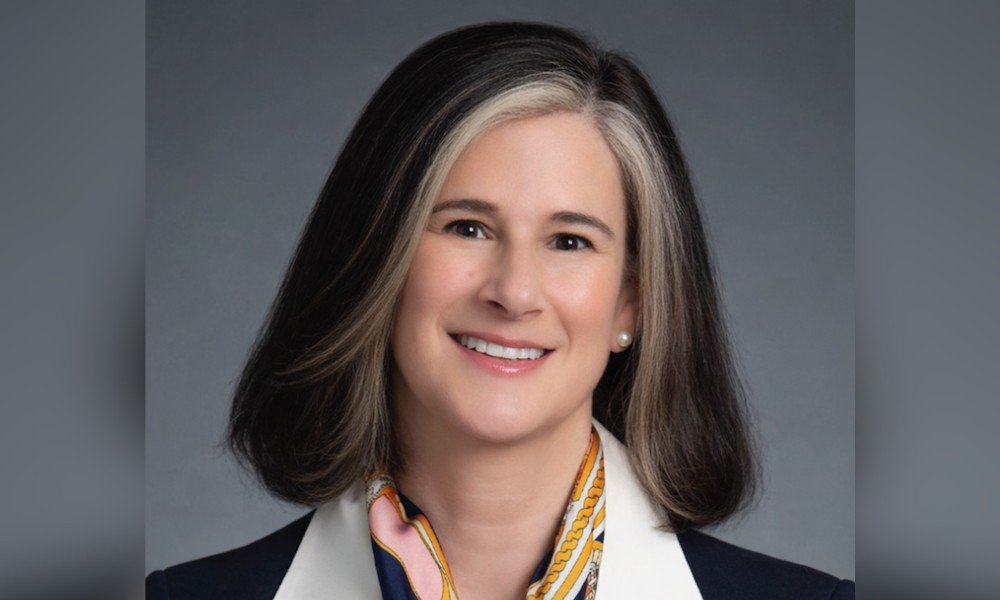
CFP Board CEO K. Dane Snowden framed the milestone as part of a broader effort to expand the financial planning workforce. "Record exam participation is worth celebrating, but the story is bigger than growth alone," he said, pointing to partnerships with academic institutions and firms to build a stronger pipeline and help more Americans access holistic financial advice.
Younger, more diverse candidate pool
The July cohort set new records for women candidates (1,011) and for racially and ethnically diverse candidates (834), making it the third most diverse exam sitting on record. Three-quarters of registered candidates were under 40, and 44% were under 30, continuing a trend first observed in the March 2026 cycle. Post-exam surveys showed that 39% of candidates sought the credential to demonstrate expertise, while 33% aimed to distinguish themselves as fiduciaries. Nearly two-thirds received some employer financial support, reflecting firms' willingness to underwrite certification as they compete for talent.
Geographically, the top ten states—California, Texas, Florida, Illinois, New York, Pennsylvania, North Carolina, Ohio, New Jersey, and Massachusetts—accounted for 54% of the candidate pool.
Pay premium persists
The record turnout follows CFP Board's latest compensation study, which found that certified planners saw median total compensation rise 15% in 2025 to $195,000, marking the third consecutive year of pay growth outpacing the Bureau of Labor Statistics' December inflation reading of 2.7%. CFP professionals also earned an 11% premium over non-certified peers after controlling for experience, firm size, and job responsibilities. The premium widens with experience: planners with over 20 years in the field reported median compensation of $360,000, while those managing five or more employees earned a median of $452,135.
Stricter CE and experience rules
Even as more candidates enter the pipeline, CFP Board is raising the bar for maintaining certification. New rules announced in January require that, starting with reporting periods beginning in Q1 2027, certificants must complete 40 hours of continuing education every two years, up from 30, with two hours dedicated to ethics. Up to 10 hours can be carried into the next cycle, though ethics hours cannot roll over—a shift toward steady, year-round learning rather than end-of-cycle cramming.
The board is also broadening what counts toward the 6,000-hour experience requirement, including allowing up to 500 hours of supervised pro bono planning work. These changes aim to ensure that the growing number of CFP professionals maintain high competency standards, even as the credential becomes more popular.
For advisors, the record exam turnout and rising pay premium underscore the value of the CFP mark in a competitive talent market. However, the new CE and experience rules mean that both aspiring and current certificants will need to plan for more rigorous ongoing education. As the industry evolves, firms may need to adjust their support structures to help advisors meet these higher standards, particularly as entry-level tasks vanish and training models shift.
The record July exam also comes amid broader trends in wealth management, such as record ETF inflows and record home equity, which may influence client demand for planning services. With the CFP credential increasingly seen as a differentiator, the board's efforts to diversify and raise standards could shape the profession for years to come.