The wealth management industry's talent shortage is prompting firms to cast a wider net, and some are finding that the best advisors don't come from finance programs at all. Advisors at Carson Group report that recruiting from fields like psychology, communications, and education—as well as promoting from within operations and client-service teams—is yielding candidates with the relationship skills modern clients demand.
The urgency is clear. The advisor workforce saw a net loss of 4,000 advisors in 2025, according to AdvizorPro, and Cerulli Associates projects that nearly 38% of current advisors will retire within the next decade. Meanwhile, women make up only about 24% of financial advisors, a figure that has barely budged in over a decade, per a July 2025 AdvizorPro analysis.
Empathy as a core hiring criterion
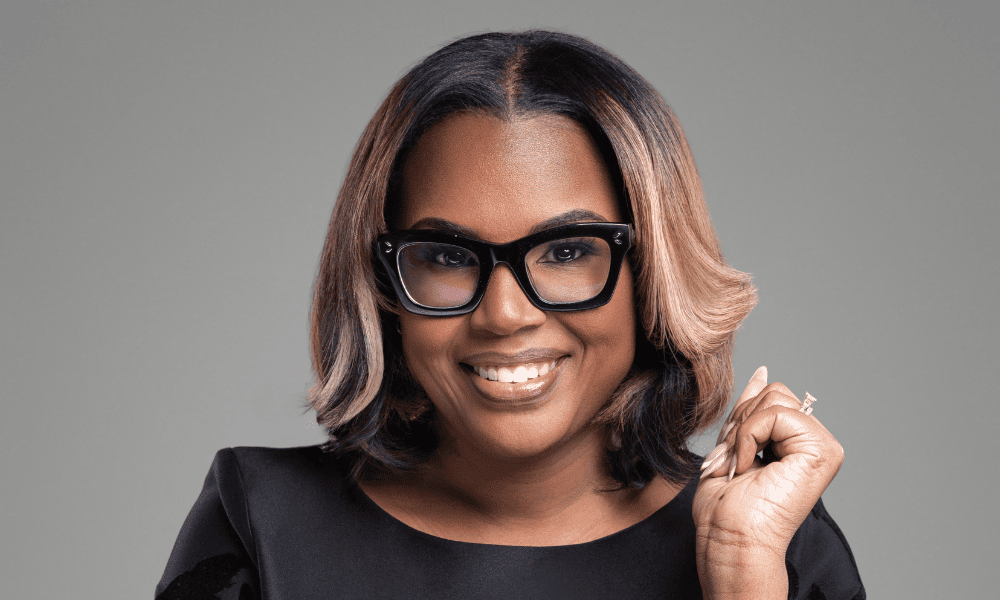
Debra Taylor, managing partner and chief tax strategist at Carson Wealth in Franklin Lakes, New Jersey, says firms are mapping out talent pipelines earlier and more broadly. The question, she argues, is no longer just whether a candidate has a finance degree—it's whether their background has built the skills that make someone effective with clients.
"Psychology, communications, education and other relationship-driven disciplines all came up because they develop the empathy, listening and connection that are central to advice," Taylor said. "Especially for women, they see this job as numbers and finances, but it's not."
Taylor traces the problem partly to how the industry has historically defined advisor success: sales targets, prospecting metrics, golf outings, and late-night networking. That model, she says, failed to recognize the strengths many women brought to the profession—even though empathy, listening, and relationship-building are precisely what clients need.
"Clients are not just looking for someone to talk about markets or portfolios," Taylor said. "They need someone who can help them make big life decisions with professionalism, care and white-glove service. That is why empathy, communication and relationship-building are becoming core hiring criteria, not soft extras."
The shift also has implications for where firms look internally. Taylor points to operations and client-service professionals as an underutilized source of future advisor talent—people who already know the clients, understand the team, and have earned trust through consistent service delivery. As recent Carson Group deals show, the firm is actively expanding its footprint, and internal promotions are part of that strategy.
Recruiting on campus—and beyond finance
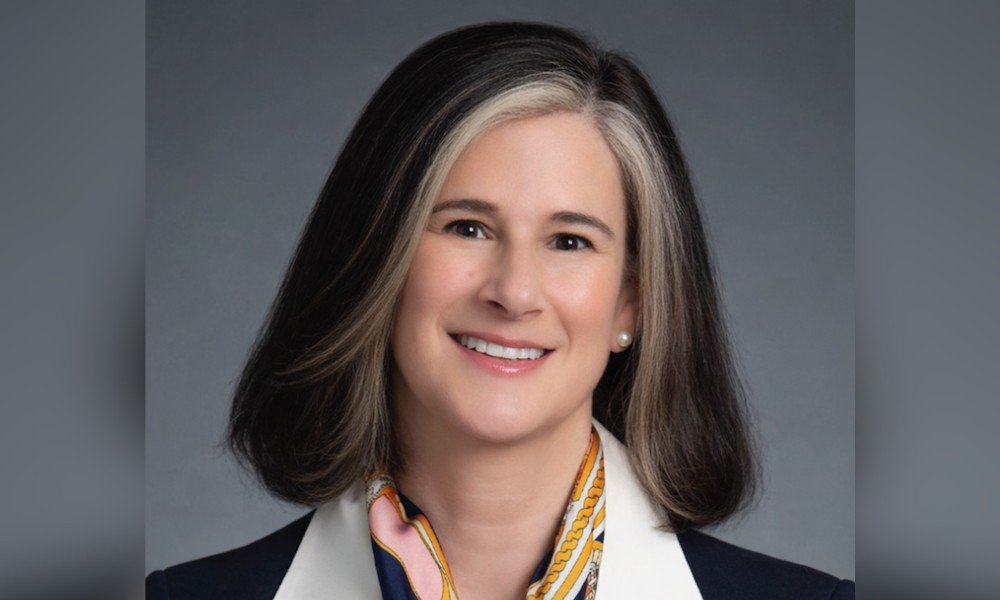
Torrey Pine, partner and wealth advisor at Carson Group, pushes back on the idea that the industry faces a talent shortage at all. The talent exists, she argues—firms simply need to look in more places for it.
"Universities are a great place to start, and not just within finance programs," Pine said. "There are women studying psychology, communications, education, and countless other fields who are already developing many of the skills that make exceptional financial advisors."
Pine draws on her own experience of being mentored by senior women in the industry and says visibility matters as much as recruitment. Showing up consistently in non-finance academic spaces helps young women see financial advice as a career built around helping people navigate major life decisions—not just analyzing markets or managing portfolios.
She also echoes Taylor's view on internal promotion pathways. Operations and client-service professionals often already hold a level of client trust that takes years to build from a cold start in an advisory role.
"When firms intentionally remove barriers and create clear pathways into advisory positions, they unlock talent that is already within their own organization," Pine said. "Great advisors are not built through one traditional career path."
The broader industry data supports this framing. With an estimated $34 trillion in U.S. financial assets projected to be controlled by women by 2030, the alignment between the gender of advisors and the gender of incoming wealth holders has become a business imperative, not just a diversity initiative. As recruiting costs rise, firms are looking for cost-effective ways to build their pipelines.
Building the pipeline before the need arrives
Rebecca Albers, partner and wealth advisor at Carson Group, says the most common mistake firms make is waiting until there is an immediate vacancy before thinking about the advisor pipeline. In her own practice, hiring people with advisor aspirations has made her more deliberate about identifying women candidates earlier in the process.
Albers frames the client experience standard in her office around what she calls "Ritz-Carlton service with FedEx efficiency"—a combination of genuine care and operational responsiveness that she says cannot be delivered by technical skill alone.
"You cannot create that experience if you only hire for technical skill," Albers said. "Advisors need to communicate well, recognize whether someone is the right fit and build the kind of trust that leads to deeper relationships and better introductions."
For Albers, the operations and client-service professionals in a well-run firm are already central to the client experience. Clients in those environments do not only know the lead advisor—they know the whole team. That familiarity creates a natural foundation for someone on the service side to grow into a more advisory role without disrupting the client relationship.