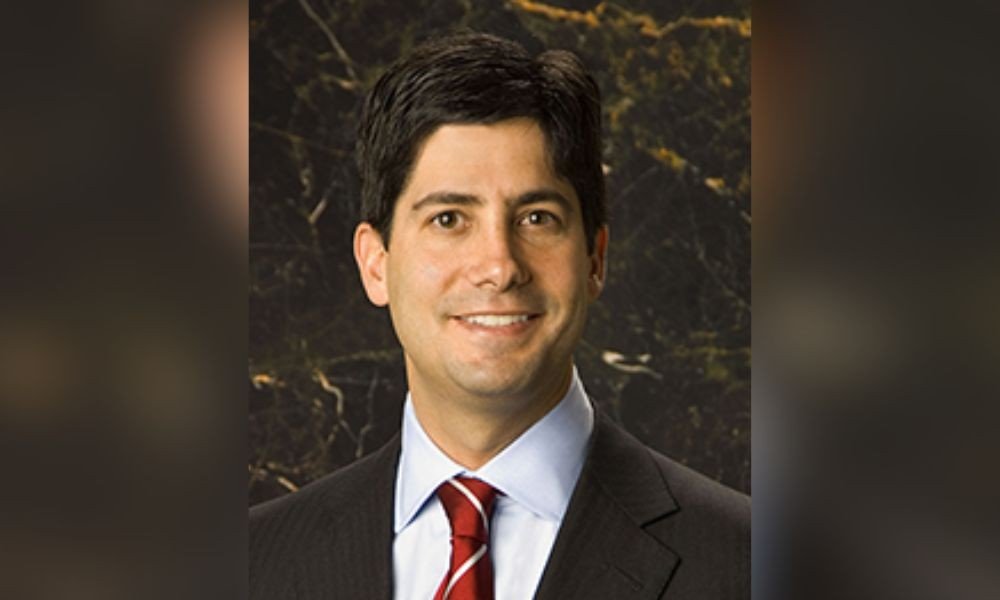
Kevin Warsh, President Donald Trump's nominee to lead the Federal Reserve, is expected to win Senate confirmation this week, according to multiple sources. The former Fed governor would succeed Jerome Powell, whose term ends in May. The shift could herald a series of rate cuts that Trump has publicly advocated for, potentially reshaping the investment landscape for financial advisors and their clients.
Robert Edwards, chief investment officer at Edwards Asset Management, said in a note that Warsh's confirmation could clear the path for rate reductions as early as this summer. "I expect Kevin Warsh to be confirmed as Fed Chair as early as this week, clearing the path for rate cuts this summer and fall," Edwards wrote. He cited softening jobs data and relatively high U.S. interest rates compared to global peers as factors that would fuel an "affordability" narrative, supporting higher equity multiples.
The Fed has held its policy rate steady at 3.5% to 3.75% since December, when it made its third consecutive cut last year. Powell resisted intense pressure from the White House to ease further, keeping rates unchanged at the central bank's three meetings so far in 2026. Last month's meeting was Powell's final as chair before his term concludes in May.
Warsh, who recently secured the backing of the Senate Banking Committee, faced rigorous questioning during his confirmation hearing last month. He asserted that "monetary policy independence is essential" but added that he does not view elected officials expressing views on rates as a threat to that independence. "Fed independence is up to the Fed," he said.
Advisors can expect a pro-AI stance from Warsh, who has been vocal in his support for the technology. During his hearing, he said, "The pace of change in these technologies is accelerating. AI, which I think of really as American ingenuity, gives America a huge headstart relative to our competitors around the world." He acknowledged risks but emphasized that a forward-looking central bank must engage with AI. This aligns with broader industry trends, such as the integration of AI tools by firms like Morningstar, Perplexity, and Plaid to streamline advisor research.
A recent EY survey found that nearly half of global consumers now use AI to drive savings and investment decisions, underscoring the technology's growing influence on financial behavior. Warsh's support for AI could accelerate its adoption in monetary policy and financial services.
The anticipated rate cuts come amid a complex macroeconomic backdrop. The Fed had been expected to hold rates steady due to an oil price spike and political pressure, but Warsh's confirmation could change that calculus. Lower rates would likely support higher stock valuations, providing a tailwind for equities, though advisors should monitor inflation and employment data closely.
For RIAs and broker-dealer advisors, the shift in Fed leadership and policy direction underscores the importance of staying attuned to monetary policy changes. As Warsh takes the helm, the focus will be on how quickly and aggressively the Fed moves to cut rates, and whether AI-driven efficiencies can help the central bank navigate an uncertain economic environment.