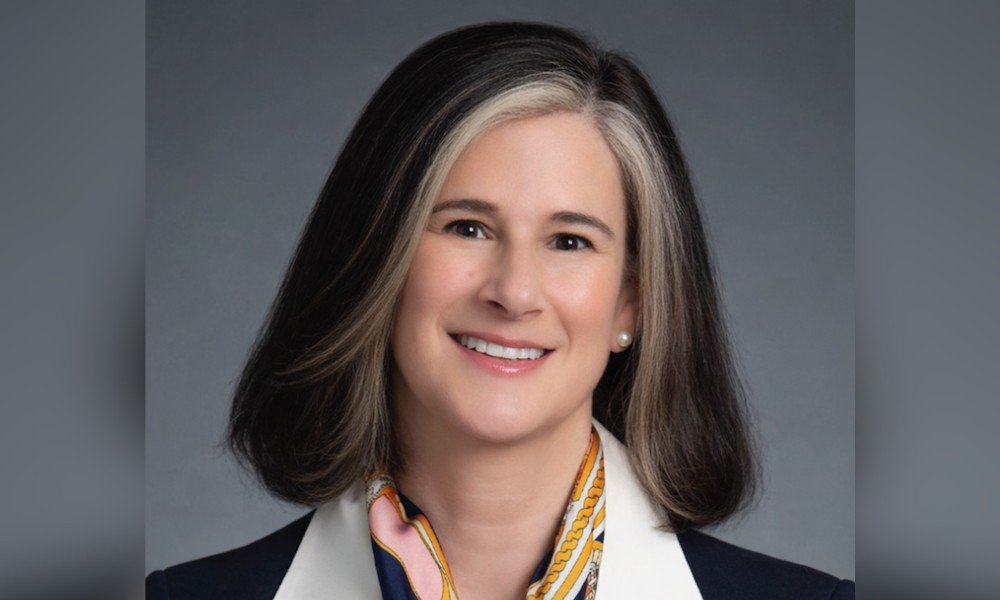
Emotions are a dominant force in financial decision-making, accounting for approximately 90% of client choices, according to research cited by Susan Owens, senior vice president at Lenox Advisors. Owens, who joined the wealth and insurance advisory firm last year from Osaic, where she served as vice president, emphasizes that advisors must address both market volatility and life events to build effective financial plans.
Owens, a Certified Financial Planner since 1993 with prior roles at First Command Financial Services, USAA, and UBS, notes that life events—whether positive, like having a child or getting married, or unexpected, such as a bereavement or illness—can trigger reactive emotions that derail financial strategies. Lenox Advisors, with 310 employees and seven offices across the U.S., including New York City, Chicago, San Francisco, Los Angeles, Baltimore, Delray Beach, Fla., and Stamford, Conn., focuses on integrating emotional context into planning.
“What the client really wants is somebody to know them and their context and be able to bring those resources and strategies and solutions to them at the right time in their language in a way that connects with them emotionally,” Owens said. This approach aligns with broader industry insights, such as those from Michael Conrath, managing director and chief retirement strategist at J.P. Morgan Asset Management, who recently told InvestmentNews that separating “the math from the emotion” is critical for advisors.
Owens identifies risk aversion as a recurring hurdle, whether in market risk tolerance or implementing plans like estate planning. “Sometimes you have people that don't want to make decisions,” she said, noting that newer families often avoid drafting wills because it forces them to choose guardians for their children. “It's those kind of things, like ‘who's going to be the beneficiary’ playing out, life circumstances where risk factors are involved, and maybe they're just not ready to make those choices.”
Fear is a significant factor in behavioral finance, as highlighted by a 2023 University of Mons study of eight management students in a three-day trading simulation, which found fear to be the most prominent emotion, especially linked to financial losses. The CNN Fear & Greed Index, which gauges stock market sentiment, currently sits in “fear” territory, an improvement from earlier this year when it was in “extreme fear” amid geopolitical turmoil and market volatility.
To counter these emotional barriers, Owens advises advisors to help clients prioritize goals and break down actionable steps. “It's really the advisor there helping them sort through what are my priorities and then breaking down how you can attack those, and then more importantly, making sure that the clients take action,” she said. “A plan is lovely, it's great, but if clients aren't acting on it because either they don't trust their advisor or they don't fully trust themselves, then they're really stuck.”
Vanguard’s 2023 Advisors’ Alpha research underscores the value of such behavioral coaching, showing that advisors can act as “emotional circuit breakers,” significantly enhancing long-term investment outcomes. Owens illustrates this with a story from her UBS tenure: a successful New York City executive, after a comprehensive financial plan, was unexpectedly laid off six months later. The first call he made was to his advisor, who updated the plan to help his family navigate the situation “emotionally calm and confident.”
“That's, to me, the power of financial planning … we're going to put a game plan together and we're going to help you get things done,” Owens said. “Because the advisor has listened and has built that trusted relationship, a client is confident calling and saying ‘I need to figure this out’.” For advisors seeking to deepen client ties amid volatility, strategies like those discussed in Advisors Deepen Client Relationships Amid Volatility to Boost Revenue Without New Accounts and Bucketing and Private Markets: How Advisors Keep Clients Steady Through Volatility offer practical frameworks.