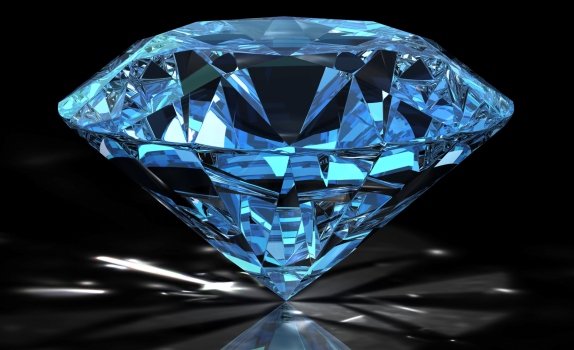
Natural diamond prices have tumbled more than 50% from their post-pandemic peak, and the market is now bifurcating into two distinct segments: commodity-grade stones increasingly challenged by lab-grown alternatives, and rare, high-quality gems that continue to command premiums.
According to data from Rapaport Group, the diamond pricing and trading platform, a standard one-carat natural diamond averaged $8,007 in September 2021. By September 2026, that figure had fallen to approximately $3,898, a decline of 51% in just five years. The Diamond Standard Index, which tracks investment-grade diamonds, hit its lowest level on record in early August 2026, hovering just above 2,500.
A market split by size and quality
The downturn is not uniform. Smaller, commercial-grade natural diamonds are losing ground rapidly to lab-grown stones, while larger, high-quality diamonds are showing signs of resilience. De Beers Group, the Anglo American subsidiary focused on mining and grading, reported that demand for natural diamonds above two carats began to see price increases after the broader correction. The company cited "encouraging consumer demand signals" in the first half of 2026 in the U.S. market, where natural diamond jewelry sales returned to growth.
Rapaport noted that its one-carat index was flat in August after 13 consecutive months of decline, while smaller sizes in the 0.30-carat and 0.50-carat range recorded gains during the month. At the top end, rarity remains a powerful differentiator. An 8.03-carat pear-shaped blue diamond, described by auction house Elmwood's as the largest of its shape and color ever offered at a British sale, was assigned an estimate of between $2 million and $2.6 million ahead of its London auction this week. For advisors with ultra-high-net-worth clients, such auction activity underscores that exceptional stones operate by different rules.
Lab-grown diamonds reshape the bridal market
The disruption at the commercial end is structural. Lab-grown diamonds, which share the same chemical and physical properties as natural stones, have captured the bridal market at a pace that would have seemed implausible five years ago. According to The Knot 2026 Real Weddings Study, engagement rings with lab-grown center stones made up 61% of all engagement ring sales in 2025, up 239% since 2020.
A nearly colorless lab-grown diamond with very slightly included clarity and an excellent cut can be purchased for around $450 on platforms such as Brilliant Earth. A natural stone with equivalent specifications falls in the range of $2,800 to $3,200. The differential can reach as much as 90% depending on size, cut, and color, pushing cost-conscious buyers decisively toward synthetic alternatives for mid-market purchases.
Cory Schifter, owner of Casale Jewelers in New York and New Jersey, told CNBC that "You shouldn't be buying a diamond thinking that there's a financial investment [aspect] to it." He suggested clients redirect surplus funds toward the S&P 500 or silver instead. The lab-grown market itself is not standing still. Fortune Business Insights projects it will grow to nearly $92 billion by 2034, more than tripling its approximately $29.46 billion value in 2025. China now accounts for more than 60% of global synthetic diamond production, and exports of lab-grown stones through the Shanghai Diamond Exchange rose 65.3% year-on-year in the first half of 2026.
What this means for advisors and their clients
The diamond market's structural shift carries practical implications for wealth managers whose clients hold or are considering gemstone assets. The traditional pitch that natural diamonds retain value and appreciate over time now requires significant qualification. Where natural diamonds may still have a role is at the upper end—larger stones, exceptional color, provenance-backed pieces—where scarcity provides insulation from lab-grown competition.
Ndaba Gaolathe, finance minister of Botswana, which holds a 15% stake in De Beers, told the Financial Times that as the market evolved, lab-grown stones were "primarily being seen as a fashion statement" while natural stones were viewed as an "investment." That framing holds most credibly for the top tier of the market. De Beers announced in July 2026 that it would halt production at its flagship Venetia mine in South Africa for more than two years to constrain supply. Al Cook, De Beers chief executive, told the Financial Times the company sees a broader cultural shift toward authenticity—away from synthetic and digital substitutes—as a tailwind.
For advisors, the takeaway is nuanced. While mid-range natural diamonds face persistent headwinds, the high-end segment may still offer value for clients seeking tangible assets with scarcity. However, as Ritholtz CEO Josh Brown's succession plan illustrates, long-term thinking often favors diversified portfolios over single-commodity bets. Similarly, the split in private equity metrics and the age-based divide in advisor digital asset adoption highlight how markets increasingly fragment by segment. The diamond market is no exception.